Beauty is Pain in Sharp, Feminist Norwegian Body Horror The Ugly Stepsister (2025)
Title: The Ugly Stepsister
First Non-Festival Release: March 7, 2025 (Theatrical Release)
Director: Emilie Blichfeldt
Writer: Emilie Blichfeldt
Runtime: XX Minutes
Starring: Lea Myren, Ane Dahl Torp, Thea Sofie Loch Næss
Where to Watch: Check out where to find it here
It’s no secret that society projects unhealthy beauty standards onto women. From corporate marketing and religious fervor to pop psychology and social media manipulation, women’s bodies are put through abuse in pursuit of an ever-changing, ephemeral glow of fitting the narrow standard of beauty.
In this retelling of the classic children’s tale, “Cinderella,” Elvira (Lea Myren) and her sister Alma (Flo Fagerli) excitedly move in with their mother’s (And Dahl Torp) new husband (Ralph Carlsson) and his daughter Agnes (Thea Sofie Loch Næss). What was meant to be an easy gravy train turns to horror when their new father dies. Desperate to ensure their standard of living remains the same, Elivra’s mother forces her to undergo various beauty procedures to make her the perfect bride for the bachelor prince (Isac Calmroth) of their kingdom at his upcoming ball.
Enthralling body horror, The Ugly Stepsister, lovingly recreates Cinderella’s story to question the barbaric ways society treats women.
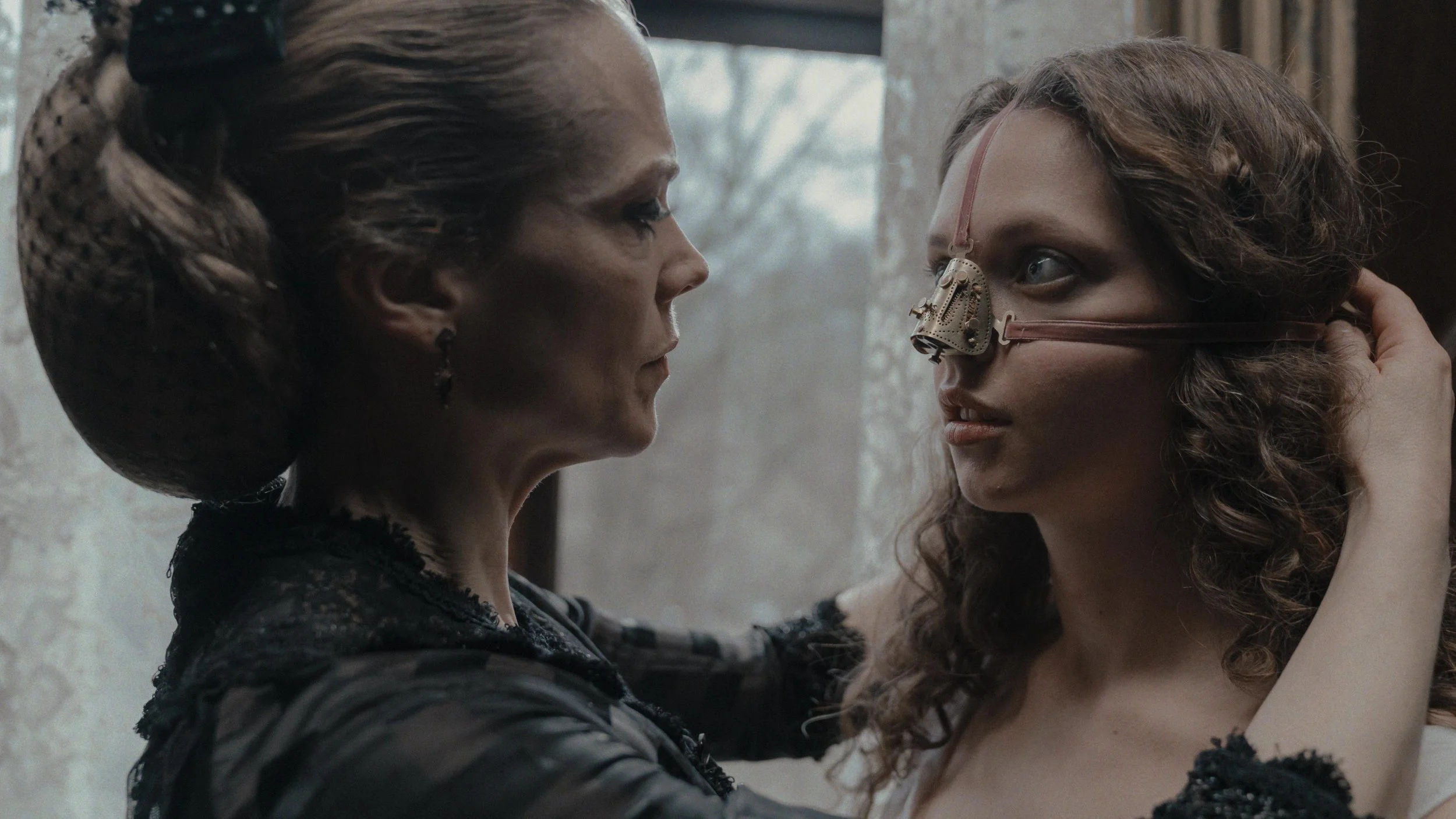
Revisiting the story of Cinderella in the age of rushed IP cash grabs is bold, but it pays off beautifully in The Ugly Stepsister. Attacking the story from a new angle, the choice to follow one of Cinderella’s stepsisters is inspired. Offering a new perspective on the motivations of Cinderella’s “wicked” stepsiblings, the pov switch is clever beyond this. Using the fairy tale as a launching pad to talk about greater societal woes like body image issues, eating disorders, and beauty standards, The Ugly Stepsister chips away at the ways in which women are forced to restrict themselves for the benefit of society, and men particularly.
The complicated relationships of the messed-up family unravel and fall back together as the Ball draws nearer. Elvira does want the Prince and the easy life she is aspiring towards, even if her mother is guiding her accordingly. Her blind obedience to her mother and listlessness in taking control of her own life puts Elvira in serious danger when the methods of beauty enhancement get more dire. Her mother doesn’t care, castigating her for any deviations from the plan. She switches up whenever Elvira performs her femininity correctly in her eyes. Their relationship is contentious yet loving but it’s clear that Elvira is more of a means for her rather than a loved one.
Her relationship with her sisters is even stranger. She and Alma share history but are very different personality wise with Alma being more tomboyish and uninterested in the events around her. Agnes is also uninterested in the shallowness but understands the reality of her life. Without prospects of her own, Agnes must rely on marrying rich rather than for love despite that being truer to herself. Elvira shares moments with both where understanding might be reached before the women fall into familiar patterns.
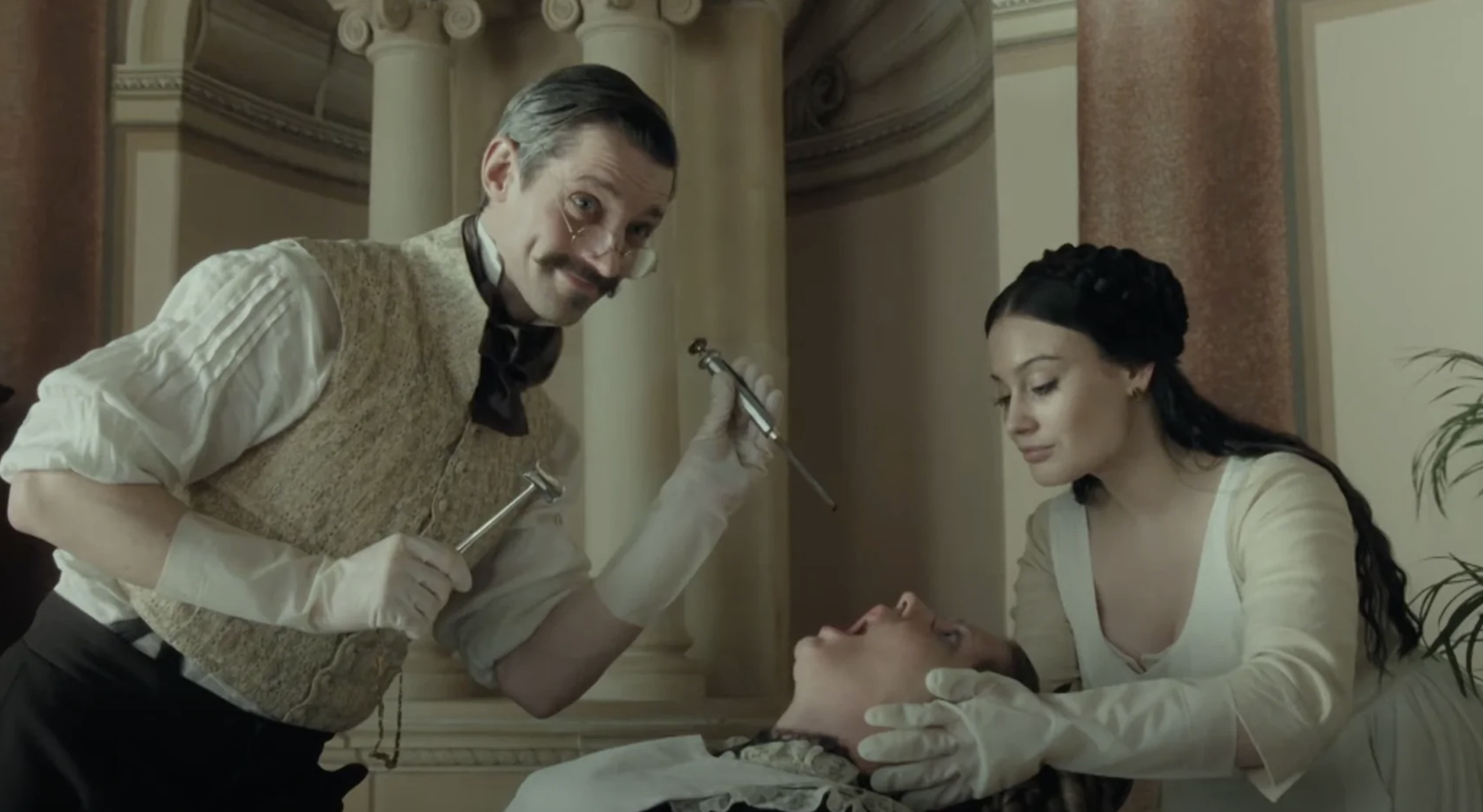
These themes of misogyny, traditions, and bodily autonomy weave together to demonstrate that there are few winners in society dependent on subjugation. Threading in permanent eyelashes, performing a barbaric nose job, and ingesting tapeworm eggs are just some of the tactics Elvira uses to become more beautiful. They’re all true to life too, making it even more awful to ponder. Due to the sheer brutality of these beauty practices, their implementation on women was historically used as a means to control, much like how Elvira’s life is planned out. Forced to do whatever it takes to make a better life for themselves, women sacrificed comfort, safety, and their literal bodies just to be abused by horrible men. This commentary, sadly, is always relevant.
Not quite as gnarly as marketed, The Ugly Stepsister nonetheless has some positively squirm-inducing scenes that will drive audiences wild. Leaning into its body horror premise, the sickening nature of Elvira’s quest and the ways in which those she trusts fail her in this journey is exacerbated with each escalation. Using techniques lauded at the time, the sheer brutality of plastic surgery and the mental drain of it later is emphasized to a horrific degree. It’s raw, bloody, and uncomfortable, which makes it the perfect vehicle for this commentary.
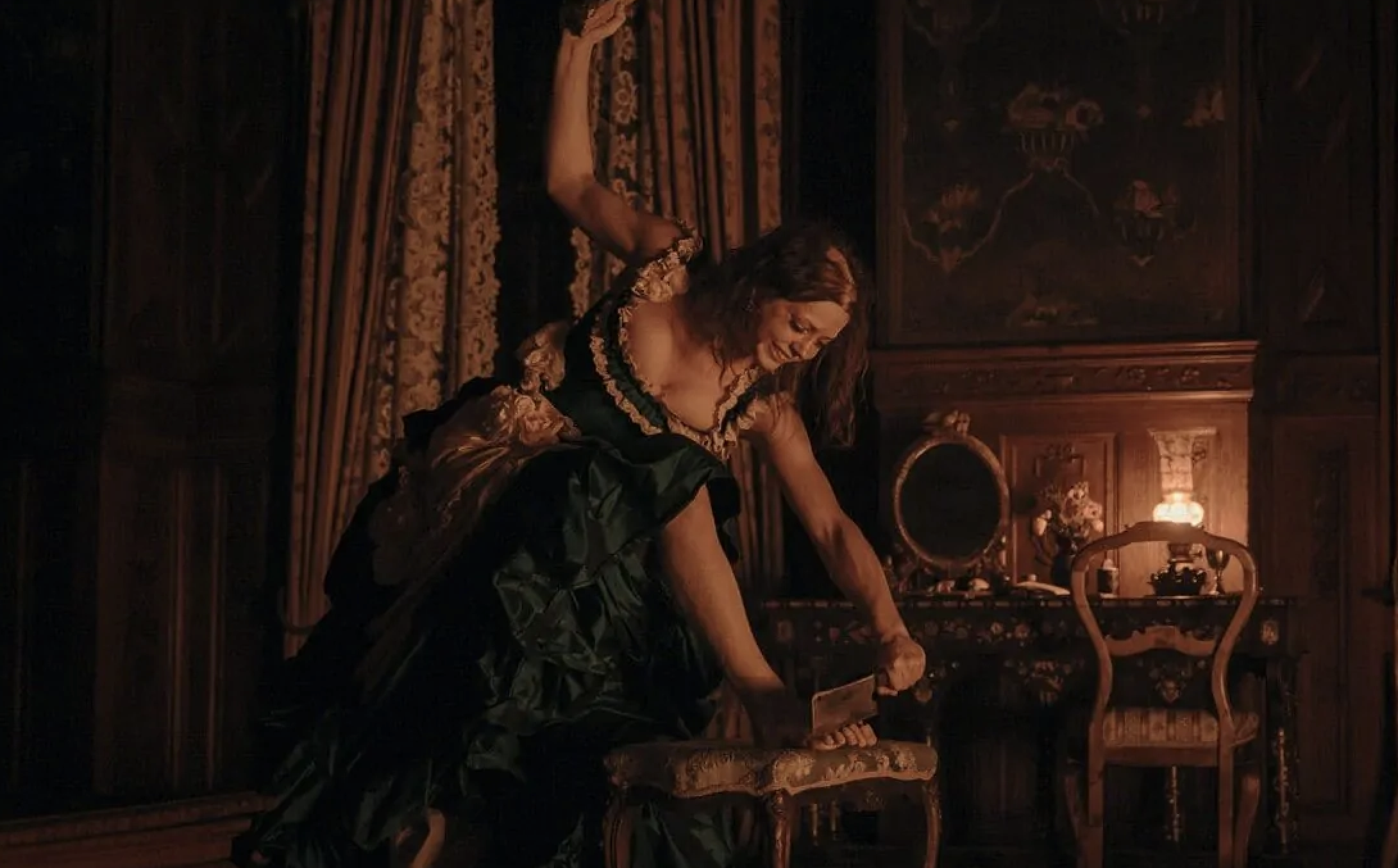
Well-made with an important message, The Ugly Stepsister proves there can be a lot to mine from our oldest tales, if we treat them with the respect they deserve. Unabashedly critical of long-regarded gender institutions, The Ugly Stepsister reminds audiences that we are not immune from the influence of a body-obsessed culture. Beauty standards, along with predatory men, are rightfully excoriated while writer/director Emilie Kristine Blichfeldt explores the ways in which women are subjugated. Throw in some splashes of body horror and a wickedly demented finale and The Ugly Stepsister rips. With the resurgence of body horror and embrace of female filmmakers with strong visions, The Ugly Stepsister more than deserves a chance to wow you.
Overall Score? 7/10