Camp (2026) is a Moody, Low-fi Witchcraft Character Study with Indie Charm
Title: Camp
First Non-Festival Release: June 26, 2026 (Theatrical Release)
Director: Avalon Fast
Writer: Avalon Fast
Runtime: 111 Minutes
Starring: Zola Grimmer, Alice Wordsworth, Cherry Moore
Where to Watch: Check out where to find it here
Grief has the power to twist even the most innocent of people into husks of their former selves. Torturing its victims with the possibility that things could be different if just one thing changed, there is utility in the suffering even if it doesn’t initially appear so. Sometimes grief pushes us to become something we never thought possible.
Reeling from her role in a fatal car accident and her best friend’s overdose, Emily (Zola Grimmer) travels up north to work as a counselor for a Christian youth summer camp. Immediately, she begins vibing with her cool girl peers. Taken by her, the group decides to let Emily into their posse. The crew spend the summer playing games, taking substances, and manifesting their ideal realities. What appears to be harmless teenage fun broils into a thoughtful examination of grief, friendship, and witchcraft.
Avalon Fast’s sophomore feature Camp waxes between the unfairness of adolescence and the power of manifestation in telling its low-fi witchy coming-of-age tale.

Eschewing a more traditional teen horror narrative, Camp takes a more contemplative approach to its coming-of-age story. Like sleepwalking through an uncanny dream, Emily’s integration into the summer camp community is clunky but feels more natural the longer she interacts with the counselors and coven. This awkwardness helps more than it hurts. Making relationships is a challenge at any age, and Emily’s struggles, compounded by her trauma, allows Camp to lean into its healing intensions. It doesn’t always work, as some pregnant pauses bring the story to a confusing halt at various points in Camp. The pacing gets lost in the summer heat, making Emily’s multi-week stay feel short without much happening until their final night.
Emily’s journey is a deliberate one, whether she realizes it or not. Compelled by her overwhelming guilt, her life is colored by trauma to the point where Emily cannot envision a lighter, more whole version of herself. Blinded by little doubts that creep into her mind and unable to fully accept camaraderie, especially female-centered, Emily internally pushes back on the efforts to recruit her. Despite her reluctance, the group wears her down allowing her to be a kid, something she has long forgotten after shouldering more responsibility and guilt than she ever should have. Her desire for companionship in the coven and to save her troubled camper leads her to a psychological battle with herself that dominates the narrative. In the end, employment, friendship, and purpose only do so much to ease the pain. It takes Emily’s concerted effort in pushing back on her fears to embrace her future and actively choose healing that allows her to come back to life.
In an age where any transgression will mark you for exile thanks to the casual cruelty of social media and the death of nuance, Emily’s journey in navigating accountability is a relatable one. Never straying from ownership, it’s Emily’s inability to forgive herself that causes her to lash out and isolate. As the strain wears on her, it’s only in the community that accepts her where Emily finds a path forward. Understanding that she made some terrible mistakes but not letting them define her allows Emily to think outside herself. Camp posits that wallowing in misery merely licks at one’s psychological wounds. Instead, brushing yourself off and doing something about that guilt matters more.
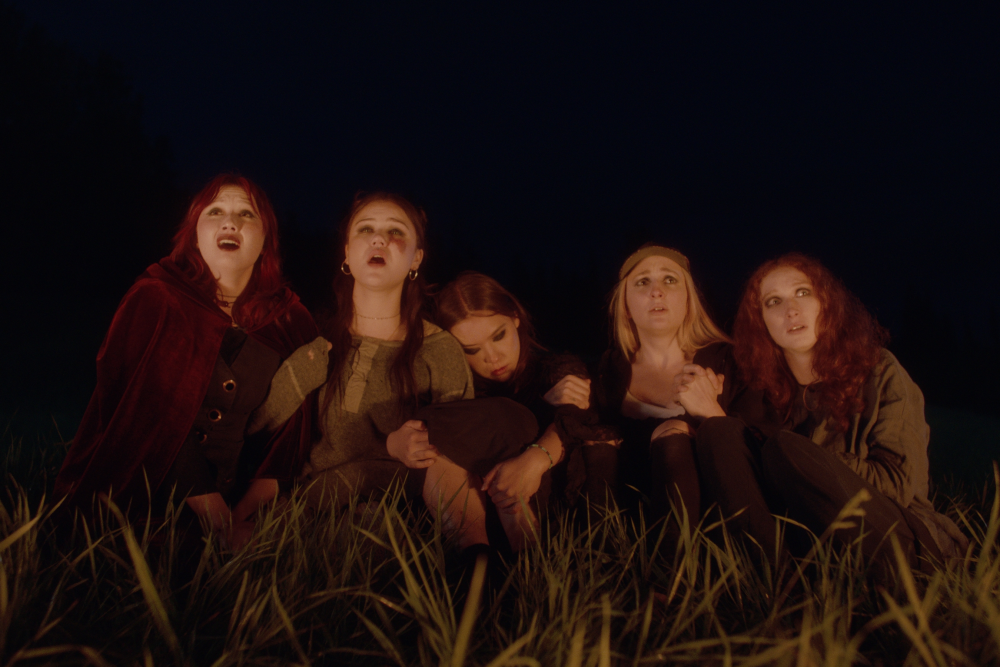
Hit-or-miss performances drag down the more cerebral elements of Camp. Zola Grimmer’s performance as Emily is the strongest in the film, wavering only in the stiffness of the dialogue when Camp lags. Capturing the quiet intensity of Emily, Grimmer embodies the teenager with aplomb, a terrific feat for a feature debut. The rest of the cast plays in various shades of unevenness. Thankfully, the coven is among the more seasoned actors, so it doesn’t show until Camp zooms outward into the camp’s day-to-day activities.
Soft, simmering cinematography gives Camp a dreamy, magical quality to it, giving credence to the film’s witchy sensibilities. Easily Camp’s selling point, the imagery it evokes is both nostalgic and unsettling. Throughout her stay, Emily gets more in touch with the magic around her, and Camp takes on a more fantastical tint as it creeps towards summer’s end. Twinkling lights, streams of blood, and beautiful sunsets paint a magical picture of the ordinariness of the location and people. Camps like this exist everywhere but true magic isn’t just something that can be found anywhere. It takes effort, and Camp makes it work.
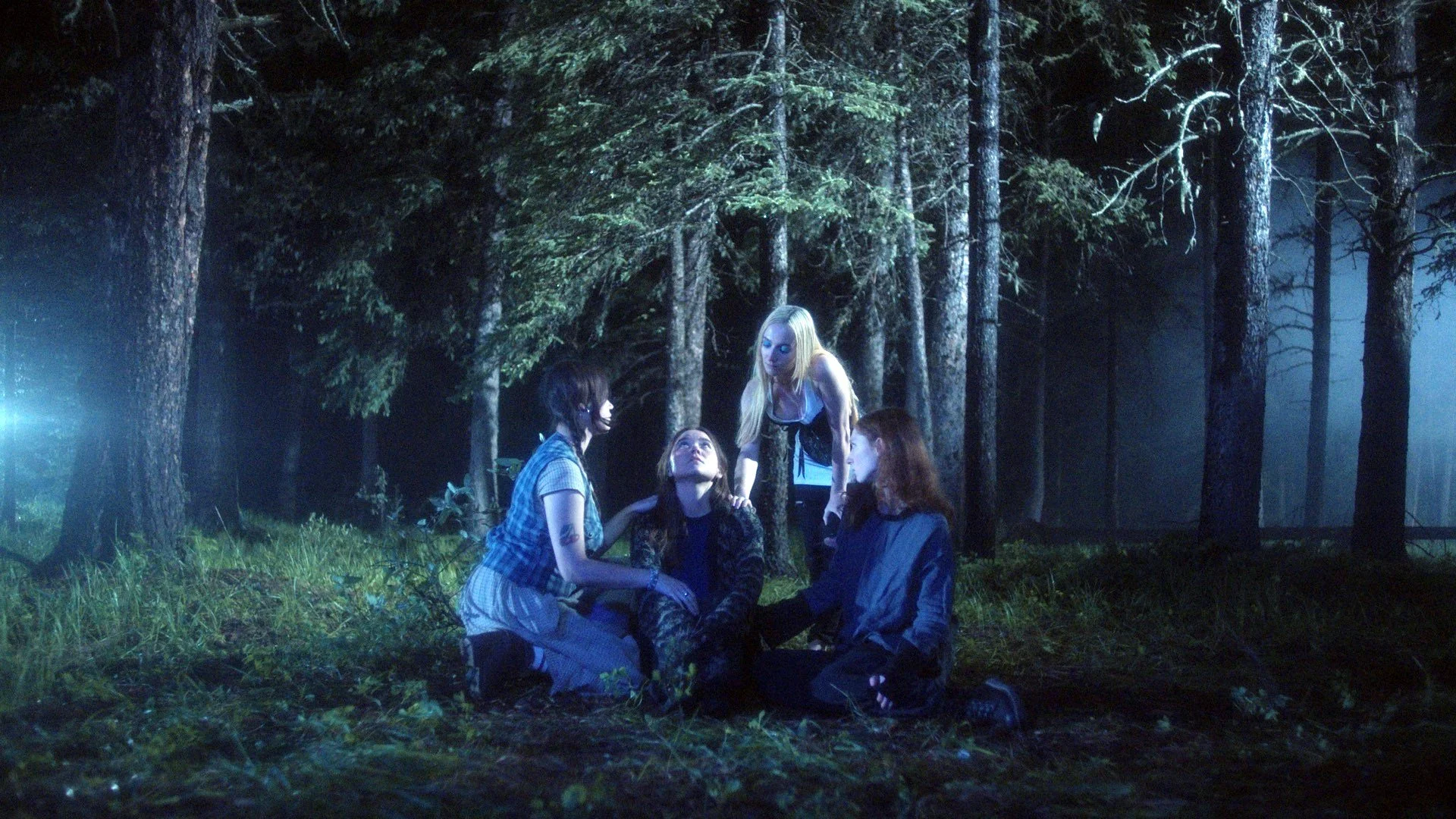
A wavy indie horror drama that isn’t afraid of big questions and uncomfortable silence, Camp navigates the complexities of starting over before even beginning. Its meditative point of view on grief may feel familiar but the conclusions it draws from Emily’s sojourn are interesting enough to take something away. Sure, the actors can be stiff at times, along with the dialogue, and the action moves at a glacial pace, but the haunting implications of Camp reach farther than a generic jump scare ever could. Fast’s sophomore feature shows a lot of promise and growth since their first and proves girl horror is here to stay.
Overall Score? 6/10