Title: No Rest for the Wicked
First Non-Festival Release: September 3, 2026 (Theatrical Release)
Director: Kasper Kalle
Writer: Rasmus Birch, Kasper Kalle, Karl Heinrich Ulrichs
Runtime: 103 Minutes
Starring: Egor Venned, Sofia Nolsøe, Pilou Asbæk
Where to Watch: Check out where to find it here
This film’s review was written after its screening at the Fantastic Film Festival in 2026.
Loosely based on Karl Heinrich Ulrichs 1884 short story “Manor”, No Rest for the Wicked takes the premise and elevates it. A lawyer and journalist, among many other things, by trade, Ulrichs is a founder of sexology, the study of human sexuality. One of the first known activists of the gay rights movement, his original short story critiques society’s view of homosexuality and depicts queer love as something borne from a pure place of love, rather than deviancy or abnormality. Director Kasper Kalle’s No Rest for the Wicked takes this foundation and adds even more layers to the story’s bones to make the tragedy feel more earned, and, in a way, modern despite its story taking place in 1862.
At the edge of the world, without much experience outside his humble village, Baldur (Egor Venned) spends his days out at sea providing for himself and his slightly overbearing single mother, Ásla (Sofia Nolsøe). When a reckless Danish whaler named Helge (Pilou Asbæk) gets caught in the jagged rock laced channel near his home, Baldur leaps to action saving him. Helge appreciates Baldur’s heroism and finds himself lingering at his home, much to Ásla’s initial delight and Baldur’s irritation. The two begin forming a close bond that quickly evolves into something more. When the sea calls for Helge to voyage once more, Baldur rejects Helge’s offer to see the world with him. His world is shattered when Helge washes ashore following a brutal storm. Grief wrecks Baldur until Helge returns in the middle of the night, seemingly unaffected by his own burial.
Beautiful and haunting all the same, No Rest for the Wicked is a charming horror romance that gives a deliciously tragic and fresh take on vampirism.
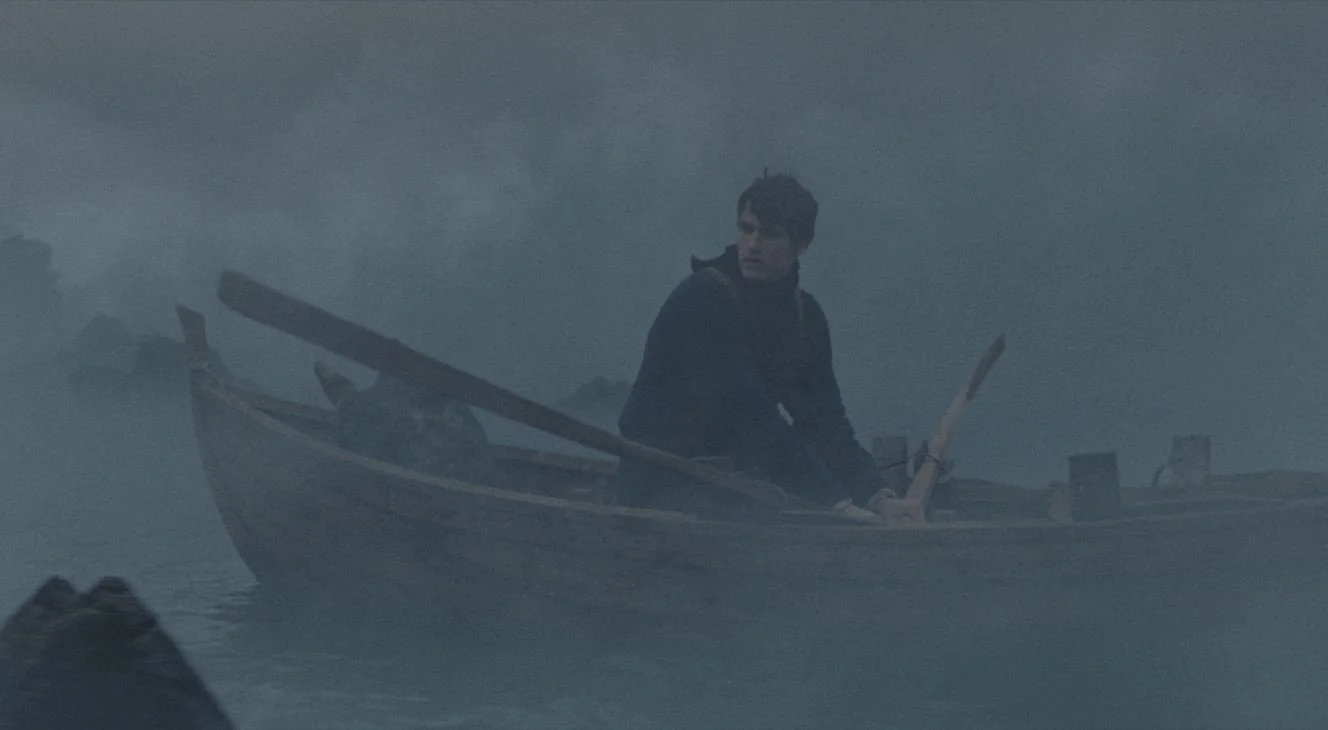
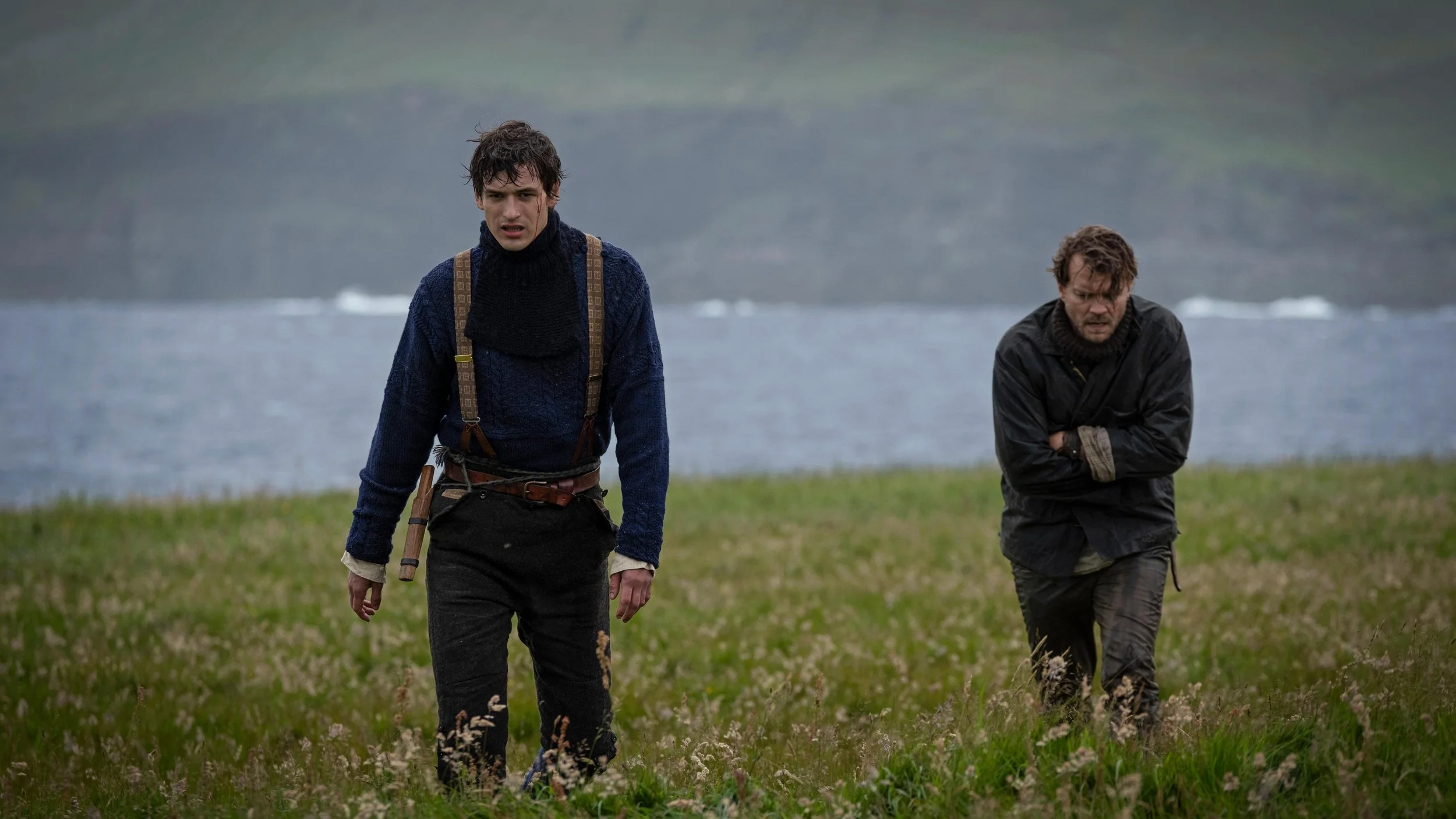
Trapped by the confines of the “Bury Your Gays” trope that so often bleeds into mainstream and queer media alike, No Rest for the Wicked gives purpose to its tragedy to subvert it. Changing the ages of its main characters, Helge is upped from his counterpart’s 19 years of age to something more adult while Baldur still remains young and spritely but far from his inspiration’s original 15 years. Mirroring the dynamics of many modern queer relationships, the two men develop a sincere friendship that blossoms into something more beautiful in the night when they finally admit their feelings, a particularly explosive thing to do in their remote, superstitious community on the Faroe Islands.
The chemistry of the two leads make the romance feel raw and beautiful at once. The film’s slow pace and earned character development make the budding love real. Their intimacy is sweet and purposeful, showing a gentler side of queerness that doesn’t come at the expense of realistic or aspirational characters. Helge is tough, hardened by the sea and the loneliness of his playboy lifestyle. His thirst for real love makes his eventual vampire self’s actions understandable despite the danger they pose Baldur. Conversely, Baldur’s naivety and fear of disappointing his mother fuels his initial flightiness and the eventual stand he makes for himself and Helge.
Egor Venned and Pilou Asbæk give powerful performances that lean into the clear, incorruptible love they have for one another without ever over-indulging or making light of their story. Sofia Nolsøe gives balance with her portrayal of Ásla, offering a nuanced and important take on her perspective.
Steeped in symbolism, No Rest for the Wicked uses everything at its disposal to deliver its impassioned depiction of queer love. Vampirism has long been a stand-in for queerness in many important literary and cinematic works throughout history. No Rest for the Wicked draws on established folklore to create something original. Behaving more like Slavic vampires, the living dead of No Rest for the Wicked are confined to the supernatural power of the grave. Restless spirits haunting the living from beyond, these vampires use sickness, hallucination, and manipulation to satisfy their needs. Bloodsucking is still present, of course, but it takes a different shape.
Much like the shape of desire and longing that bleeds through every fog-filled frame of the film, water plays an integral role here. In traditional vampiric lore, running water serves as a barrier that prevents vampires from crossing. It’s no mistake that the remote island setting and curious manipulation of water in No Rest for the Wicked serves a greater purpose. Sure, it is a large element of many folk tales featuring vampires, but water is used to the advantage of the creatures here. Water has the power to give life and take it, something Faroe Island residents understand all too well. Violent storms, swells, and even simple baths can spell death. By using water to their advantage, the vampires of No Rest for the Wicked break the rules for their love, much like queer people do when owning their truth.
The intentionality of No Rest for the Wicked extends further to its production. Claustrophobic in its depiction of the near-barren islands, the chilly cinematography keeps No Rest for the Wicked in this atmospheric, dream-like state. Mirroring the ephemeral and persistent nature of death, the fog serves a higher purpose than giving the film an edge to its largely scare-less approach to horror. A harbinger of Helge’s arrival, the fog supports the film’s thesis on life, as the misty dew marks Helge’s nighttime arrivals and refusal to give up on Baldur, even when the townsfolk intervene.
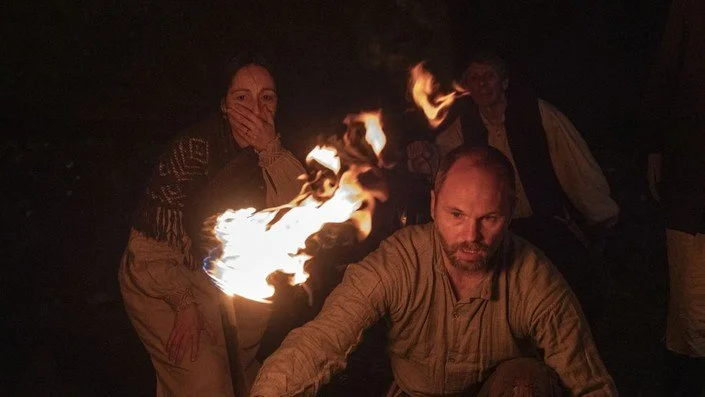
No Rest for the Wicked is a defiant and beautiful horror romance that further proves the genre is an effective vehicle for illustrating the radical resistance of queerness across history and fiction. Intentional filmmaking, beautiful characters and their development, and a refusal to water down its themes for palatability make this Danish vampire film one to seek out. Heading to theaters in early 2027, No Rest for the Wicked demands to be seen by anyone who believes love has no gender and isn’t exclusive to the living.
Overall Score? 8/10