Exit 8 (OVERLOOK) Traps Viewers in a Well-Paced, Existential, Time-Loop Horror
Title: Exit 8
First Non-Festival Release: August 28, 2025 (Theatrical Release)
Director: Genki Kawamura
Writer: Kotake Create, Kentaro Hirase, Genki Kawamura
Runtime: 95 Minutes
Starring: Kazunari Ninomiya, Yamato Kochi, Naru Asanuma
Where to Watch: Check out where to find it here
This film’s review was written after its screening at the Overlook Film Festival in 2026.
The soaring popularity of liminal horror in the last decade has come with some of the most unique and compelling updates to psychological and supernatural horror. Bolstered by video games, creepypastas, and other mediums, the concept is becoming more popular and ripe for films to mine.
After a particularly emotionally draining subway ride, The Lost Man (Kazunari Ninomiya) gets off at his station to get to his temp job. On the way, he receives a call from his ex-girlfriend alerting him to her pregnancy. Dazed at the news, he practically sleepwalks off the platform and into the hallway to exit out onto the street. He finds, however, that he has been walking the same path for a long time, passing people and things he believes he’s already seen. Not long after, he discovers that he’s become trapped in an endless loop that he’ll have to follow a simple list of rules to escape. Look for any anomalies, if you don’t see any anomalies: continue, if you do see any anomalies: turn back, only exit off of exit 8.
A psychological descent into madness, Exit 8 is a solid video game adaptation that knows how to use its premise effectively.
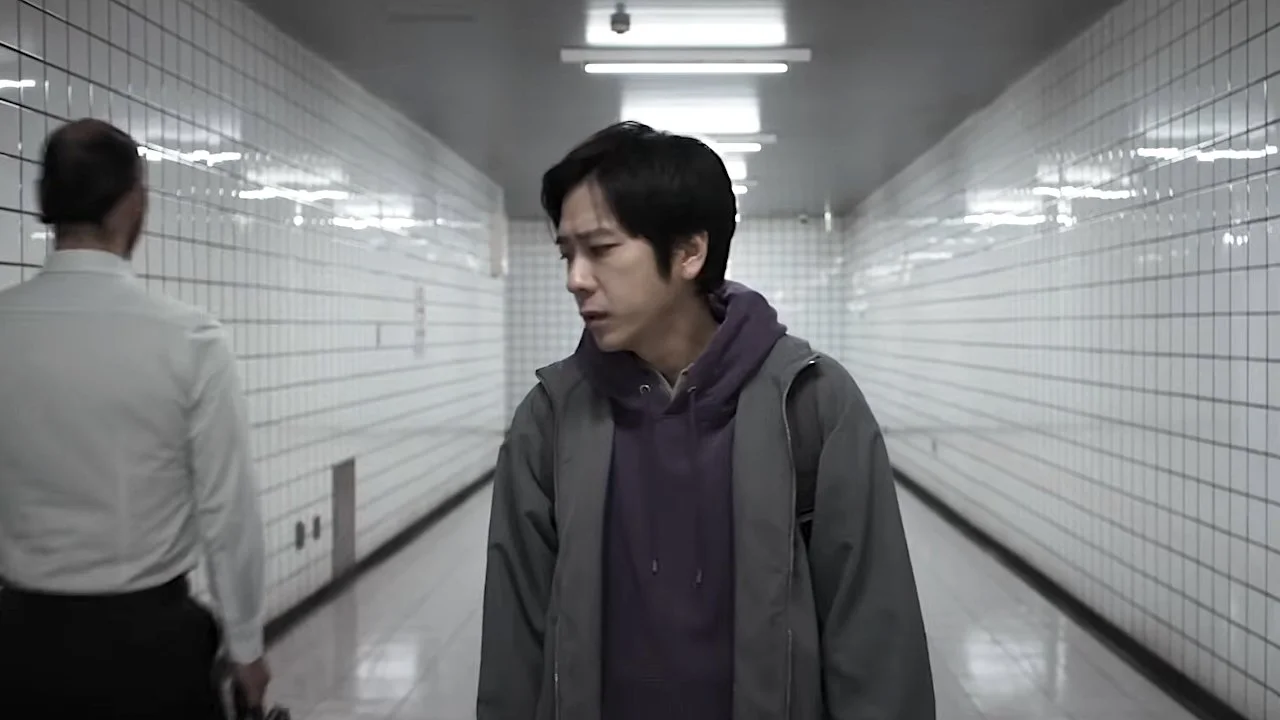
The liminal horror of Exit 8 starts off strong with a pov shot that tracks The Lost Man on his ill-fated journey to the hallway that will trap him. A nod to the video game as well as an easy way to build tension leading up to the inciting incident, Exit 8 gets disorienting quickly. Then, once the fun really starts, the madness intensifies.
It would be easy for a film like Exit 8 to get repetitive, and to a degree, it does, but writer/director Genki Kawamura and writer Kentaro Hirase do great work in keeping the horror subtle, mysterious, and surprising. One single anomaly can throw off The Lost Man’s game, forcing him to start over or succumb to the terror of the hallway. Each time he walks through the maze, the audience is alongside him double-checking his decisions and mentally anguishing over each mistake. When the horror arrives, it comes in shot bursts of terror. Then, what’s magical is the lingering sense of desperation and unease that remains when he chooses to persist. It’s an excellent way to combat the film’s baked in repetition concern.
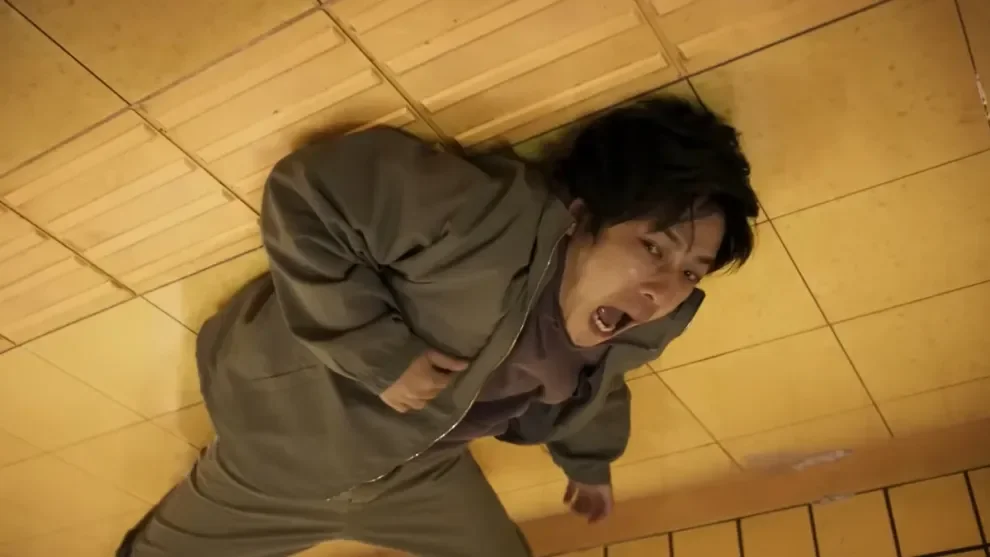
It all comes down to choice and fatherhood, the real messaging behind the film hidden underneath the psychological torment. Faint cries of babies, the pressure impressed upon him by his ex-girlfriend to take action, and the introduction of a lost boy (Naru Asanuma) bolsters these themes by placing The Lost Man in one long decision matrix dilemma. As he learns to navigate his environment and trust the boy, the faint turns in his mind become evident. While sappy at times, the drive to take action and care for someone else’s well-being makes for a heartening message amongst the film’s sneakier anti-capitalist sentiments.
About halfway through Exit 8, a character remarks how it’s sad that people do the same thing every day: get on the train, get off the train, go to work. Not subtle, but it’s a nice reminder to the film’s thesis on the insanity of repetition. Much like The Lost Man, workers in today’s capitalist hellscape are required to spend their time toiling away in jobs they hate that offer little in the way of making the world a better place for the goal of making rich men richer. The monotony and specificity of the tasks handed to them becomes a source of horror, threatening to separate us from the things that matter most in life: each other. This earnestness is inherent to Exit 8, making it all the more enjoyable to watch unfold.
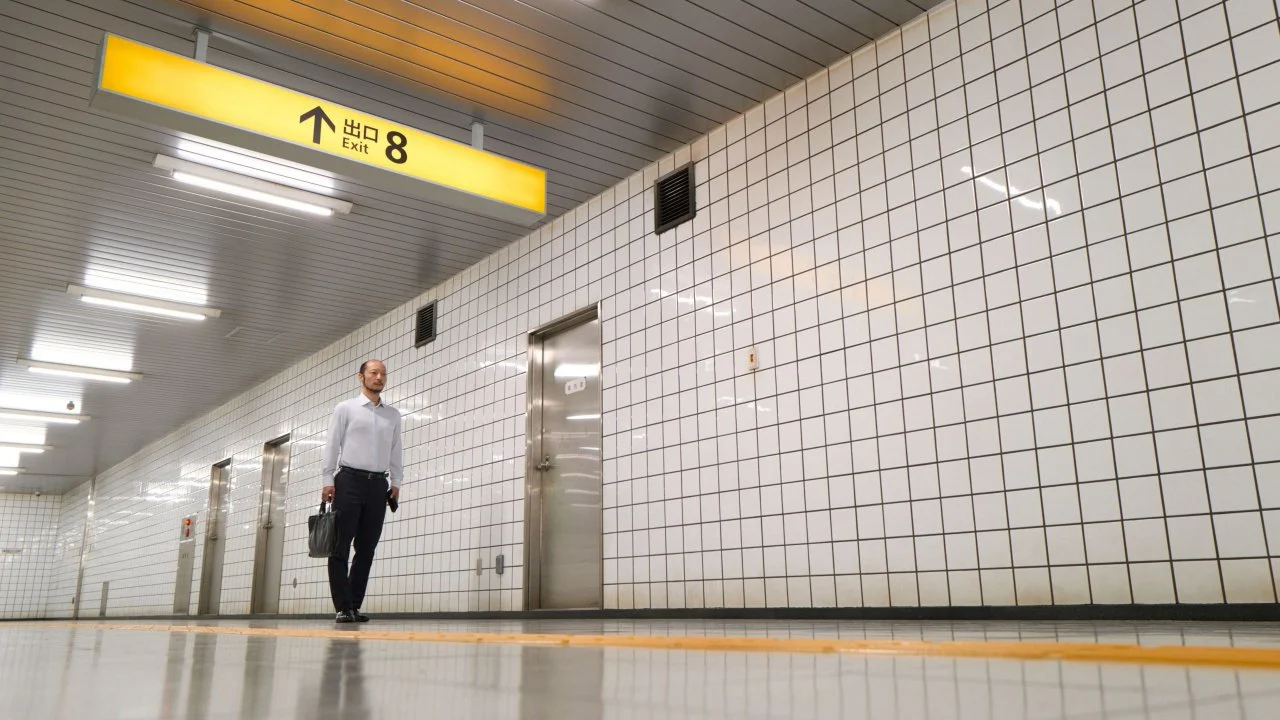
Exit 8 will work for those willing to meet it on its wavelength and frustrate those seeking a more traditionally structured film. The pacing and repetition will certainly irritate some viewers but for those seeking out a more psychological experience, it cements the feeling of dread introduced in the beginning. Solid performances and short bursts of explosive horror prop up the film’s heartening message about the choices we must make in life.
Overall Score? 7/10