Gothic Māori Horror Mārama (FANTASTIC) is Equally Powerful and Thought Provoking
Title: Mārama
First Non-Festival Release: TBD
Director: Taratoa Stapprd
Writer: Taratoa Stapprd
Runtime: 89 Minutes
Starring: Ariāna Osborne, Toby Stephens, Evelyn Towersey
Where to Watch: Check out where to find it here
This film’s review was written after its screening at the Fantastic Film Festival in 2025.
The horrors of colonialism still reverberate in the present day. Anyone who claims that the ghosts of the past should remain in the past are mistaken on how healing can truly begin.
Separated from her family at birth, Mary Stevens (Ariāna Osborne), a name given to her by the white family that raised her, travels to England in the 19th century to hopefully discover some answers about her heritage and her true identity. Once there, she discovers that the man named Boyd she is meant to meet is dead. Instead, she makes acquaintance with Nathaniel Cole (Toby Stephens). Mary reluctantly agrees to an offer to be a governess for Cole’s granddaughter, Anne (Evelyn Towersey), since her newfound isolation as an Indigenous woman in England at the time meant her options for work are limited. Mary learns that there are more mysteries hidden in the mansion than Cole’s unsettling interest in her culture.
Haunting yet powerful, Mārama is a beautiful piece of gothic horror with a novel point of view.
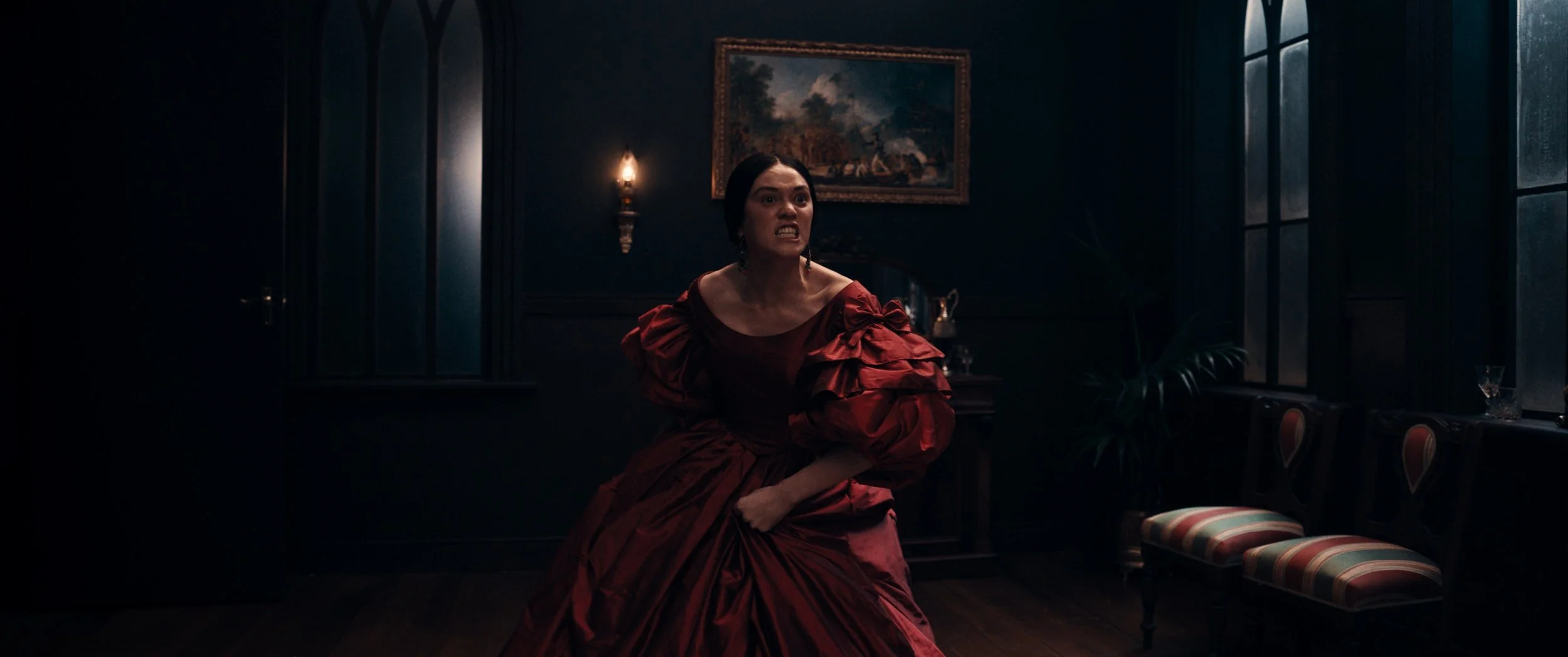
Using gothic horror to unveil the sins of the past done to the Māori people, Mārama tells its simmering tale of revenge with deliberate pacing. Implementing the tropes of the sub-genre, writer/director Taratoa Stappard puts Mary in a familiar situation with very different perils. It’s easy to get caught in the romance of gothic horror but Mārama does an excellent job of keeping the audience on track.
The horror from this story comes not only from traditional supernatural scares but from the humiliation and rage Mary feels from her culture being desecrated before her eyes. Despite Nathaniel’s insistence that he appreciates and respects the Māori people, his actions prove otherwise. Deliberately indulging in a culture he knows nothing about, Mārama showcases why Nathaniel’s ignorance is deadly. Making light of the practices of a people demonstrates a lack of respect for those people. History tends to reveal just how deep this contempt cuts. Boarding schools, overconsumption, and tattooing may not seem like major issues on the surface but, like many shameful moments of history, one good spotlight reveals the true ugliness beneath these practices. Mārama is that light.
The sting of cultural appropriation is appropriately highlighted as sickening. Mary’s decision to fight back every step of the way demonstrates a special type of power not often seen onscreen, especially with Indigenous women. Audiences are able to view the situation through Mary’s eyes discovering how relentless the abuse becomes. Mary’s determination and devotion to her family and culture allows her to push back against the injustice. The framing of these moments, however, reads just as scary as the ghostlier elements of the film. It is a great reminder that these issues have a material impact on others, and that they matter.
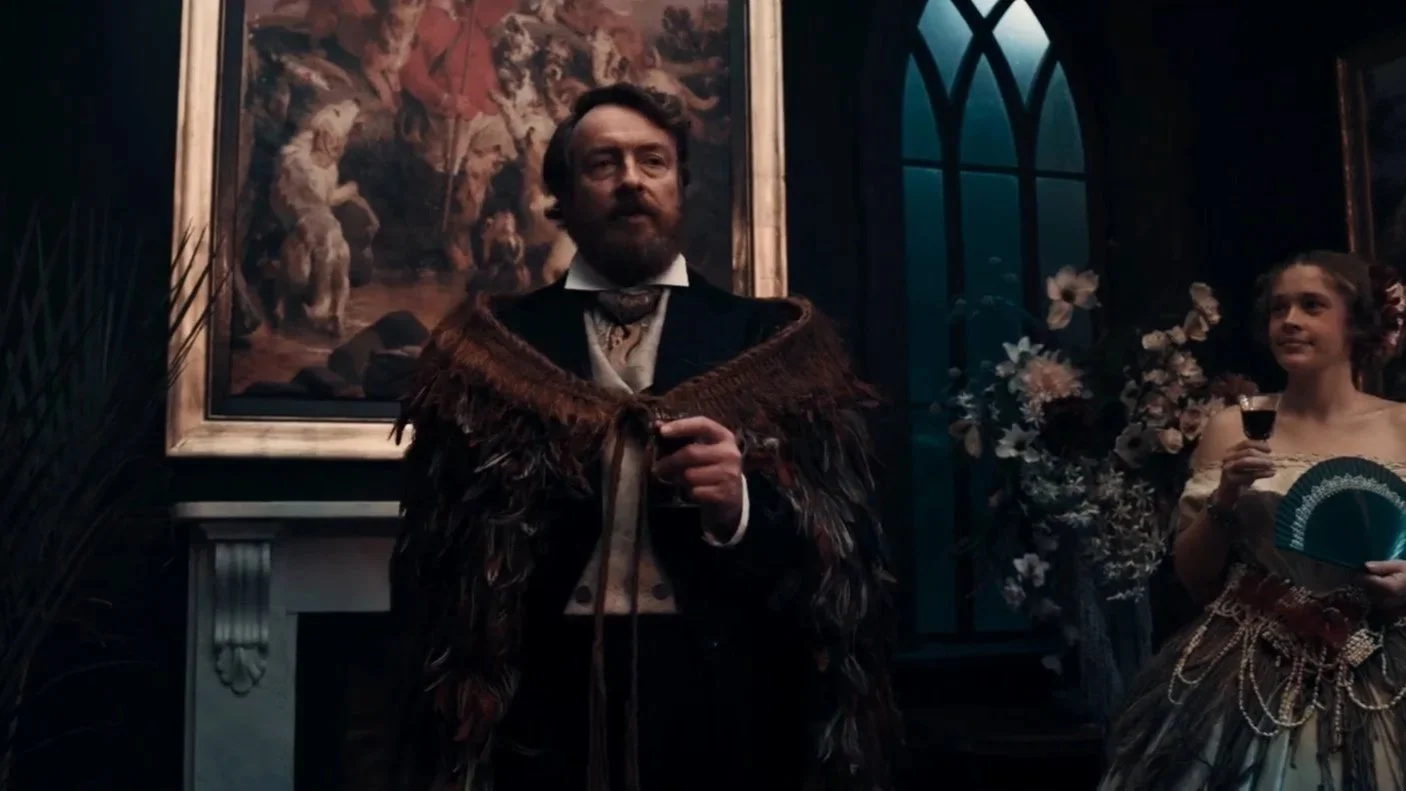
Mārama takes extra care to incorporate authenticity into not only its sweeping period elements but also the Māori culture as a whole. Serving as an example of the real abuses the Māori people have endured in the last five hundred years, Mārama plants tiny seeds to remind the audience of what was taken. It isn’t just in the singular plight of Mary or her family. The danger is present for any Māori person both inside the world of this film and outside it.
Without a doubt the most powerful element of Mārama comes from Ariāna Osborne’s daring performance. Having to navigate the racial realities of the time with who Mary is to her core, Osborne carries a fire with her. One so raging it erupts onscreen. Whether it’s confronting the racist attitudes of her host and his friends or fighting for her life when pursued, Osborne ensures that Mary’s fury and, even more importantly, dignity never wavers. At one point, Osborne performs a Haka so powerful that it moves to tears. Depicting the strength and fury of a disrespected culture, Osborne projects power worthy of a character like Mary.
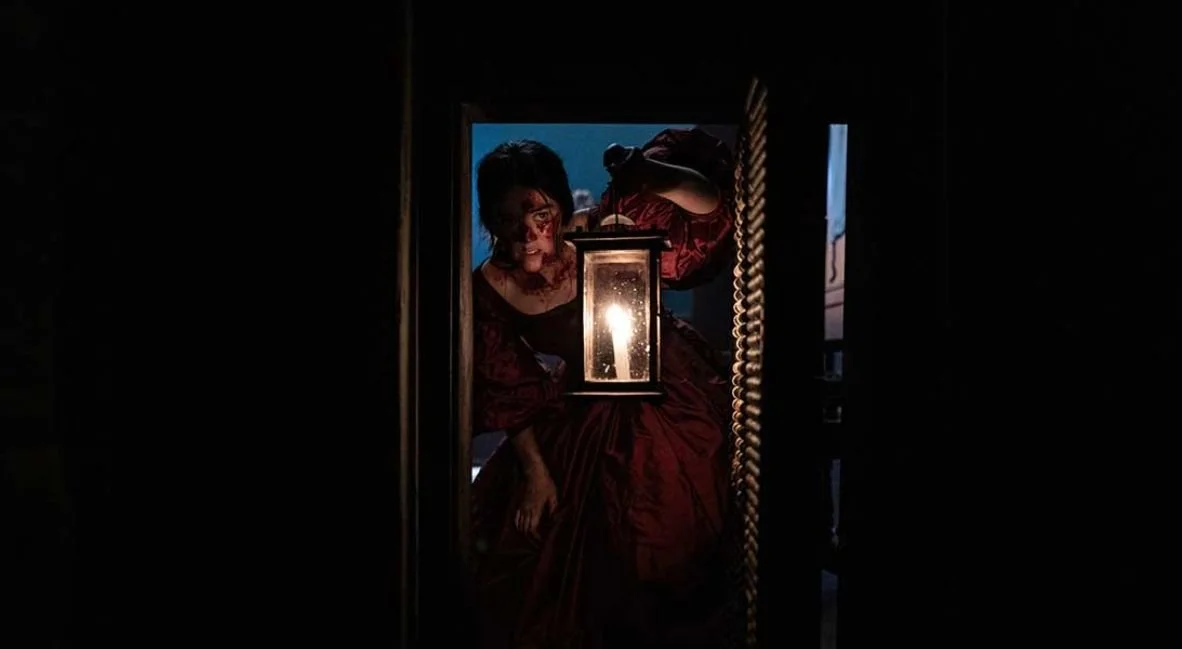
An indie technical marvel with an important message, Mārama delivers stomach-dropping horror that unsettles to the core. Atmospheric, upsetting, and disorienting, Stappard crafts something special in his debut feature. Anchored by an impressive performance from Ariāna Osborne, the terror and tragedy of Mārama leaves a call to action for audiences: address the injustices of the past or face the natural consequences. A must-watch for any genre fan or anyone with empathy, Mārama is the brooding, profound gothic revenge horror that is long overdue.
Overall Score? 8/10