Lee Cronin’s The Mummy (2026) Wraps Familiar Story in Old Dressings
Title: The Mummy
First Non-Festival Release: April 14, 2026 (Theatrical Release)
Director: Lee Cronin
Writer: Lee Cronin
Runtime: 134 Minutes
Starring: Jack Reynor, Emily Mitchell, Laia Costa
Where to Watch: Check out where to find it here
Since its introduction in the original Universal Monsters film in 1932, the villain of the mummy has occupied a curious niche in horror cinema. Combining Western fascination with ancient Egyptian culture and the inherent fetishization that comes with it, the one through-line across mummy films warns of disturbing the dead and meddling with things beyond one’s comprehension.
The Cannon family is spending another sweltering day in Cairo together when tragedy strikes. Their daughter Katie (Emily Mitchell) disappears from their yard when her father Charlie (Jack Reynor) was watching her. His wife, Larissa (Laia Costa), is devastated and Sebastian (Dean Allen Williams, Shylo Molina) is just old enough to comprehend the horror of the loss of his sister. Despite building their lives there, the family decides to return back to New Mexico in hopes of healing with Larissa’s mother, Carmen (Veronica Falcón). Eight years later, Charlie gets a call from Detective Dalia Zaki (May Calamawy) that Katie (Natalia Grace) has been found. Overjoyed at the news, the reality sets in when they finally meet Katie and realize that the eight years that she spent captive has transformed her into something entirely different.
Playing more like a generic possession film, The Mummy delivers passable familial supernatural horror.
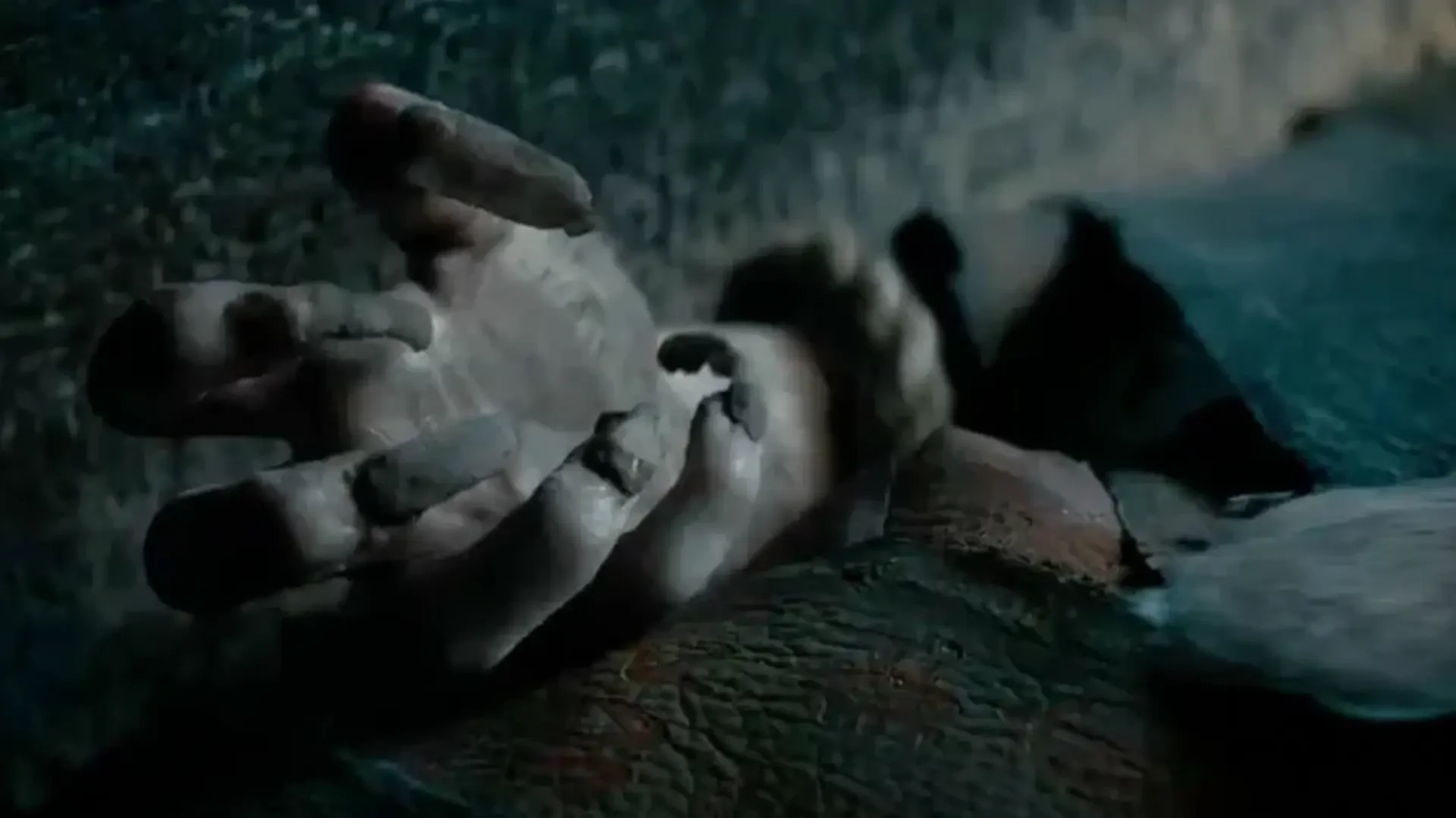
With a story as expansive as this, The Mummy has quite a bit of ground to cover in telling its tale of ancient Egyptian-inspired supernatural horror. The odd choices start early. A cold open detailing the nightmarish disappearance of Katie transitions into the downbeat reality of the Cannon’s longtime efforts to heal from the loss. Their lives aren’t in shambles but it’s clear they have never been able to move forward. The Mummy takes time establishing the family’s dynamic before re-introducing Katie to up-end everything. That’s when The Mummy starts rushing through the supernatural takeover. Katie’s objectively disturbing behavior becomes the catalyst that pushes The Mummy further, even when it stops making sense.
Clearly in over their heads, the decisions the Cannon family makes regarding Katie’s homecoming puts everyone in danger. Opting to use this story as a launchpad to discuss how families scramble to protect themselves by prioritizing unity over safety, The Mummy weaves a familiar story of family grief that feels limp and sanitized. The family’s reluctance to surrender Katie to someone or someplace where she can receive the help she deserves is borne through fear of losing her again. But it also comes from pride. This is best realized through Larissa. Her belief that her love and care is sufficient to bring Katie back to her old self is a well-meaning but misguided refrain echoed by parents throughout history. Parents often have to make difficult decisions on behalf of their children, and sometimes they get it wrong. Without judgment, The Mummy asks its audience to consider is love enough to bridge such divides. In the end, it reads as another take on familial trauma that doesn’t actually say much of anything new.
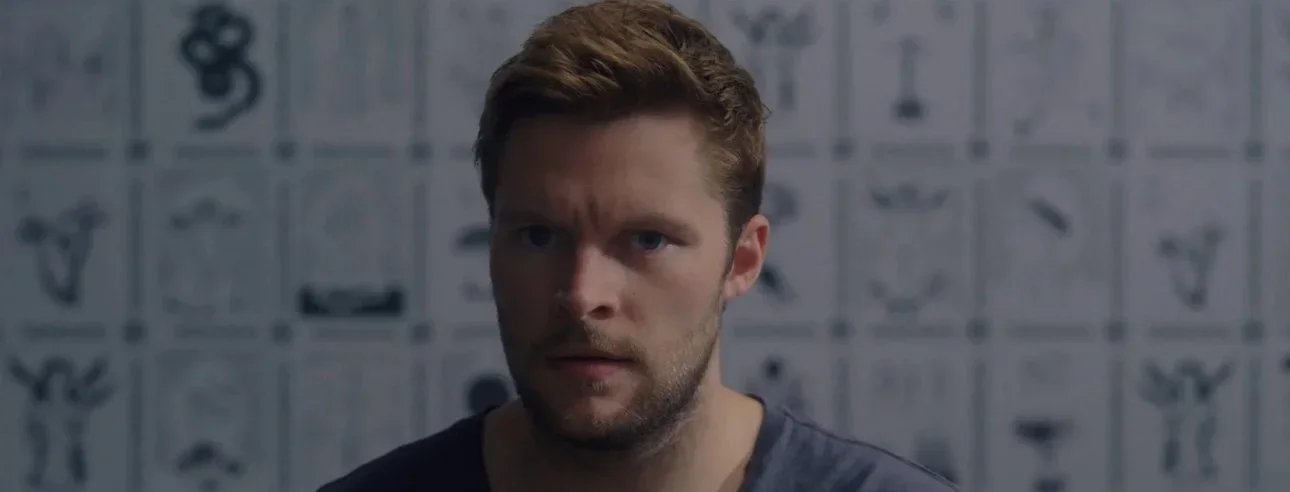
While the movie may be titled, The Mummy, it shares far more DNA with director Lee Cronin’s previous film, Evil Dead Rise. The similarities add up to more than the general dysfunction characterizing the families. Operating curiously like a Deadite, the mummy takes its time psychologically tormenting the family before gradually possessing each member for the purposes of killing them all. Beyond the basic inclusion of these elements, the tone of The Mummy follows the Evil Dead franchise even further. The possessed don huge smiles, make wise-cracking jokes, and tend to make the grossest moves to establish its power and dominance over the family. There’s nothing wrong with this formula but its inclusion in The Mummy doesn’t work, especially with its toothless approach to demonic possession.
Operating more like a greatest hits of horror showcase, Lee Cronin’s The Mummy’s impact lessens with each inconsequential gross out moment that passes. The supernatural action boils down to Katie’s escalating erratic behavior and the ensuing possessions of her family. Employing trope after trope, The Mummy never accomplishes its goal of unnerving its audience. Through an overbearing soundscape and sympathetic body horror, The Mummy limps across the finish line. It’s not that the scares are poorly constructed or oddly placed but that its generic implementation leads to underwhelming sequences that should otherwise cement the film’s horror to the audience.
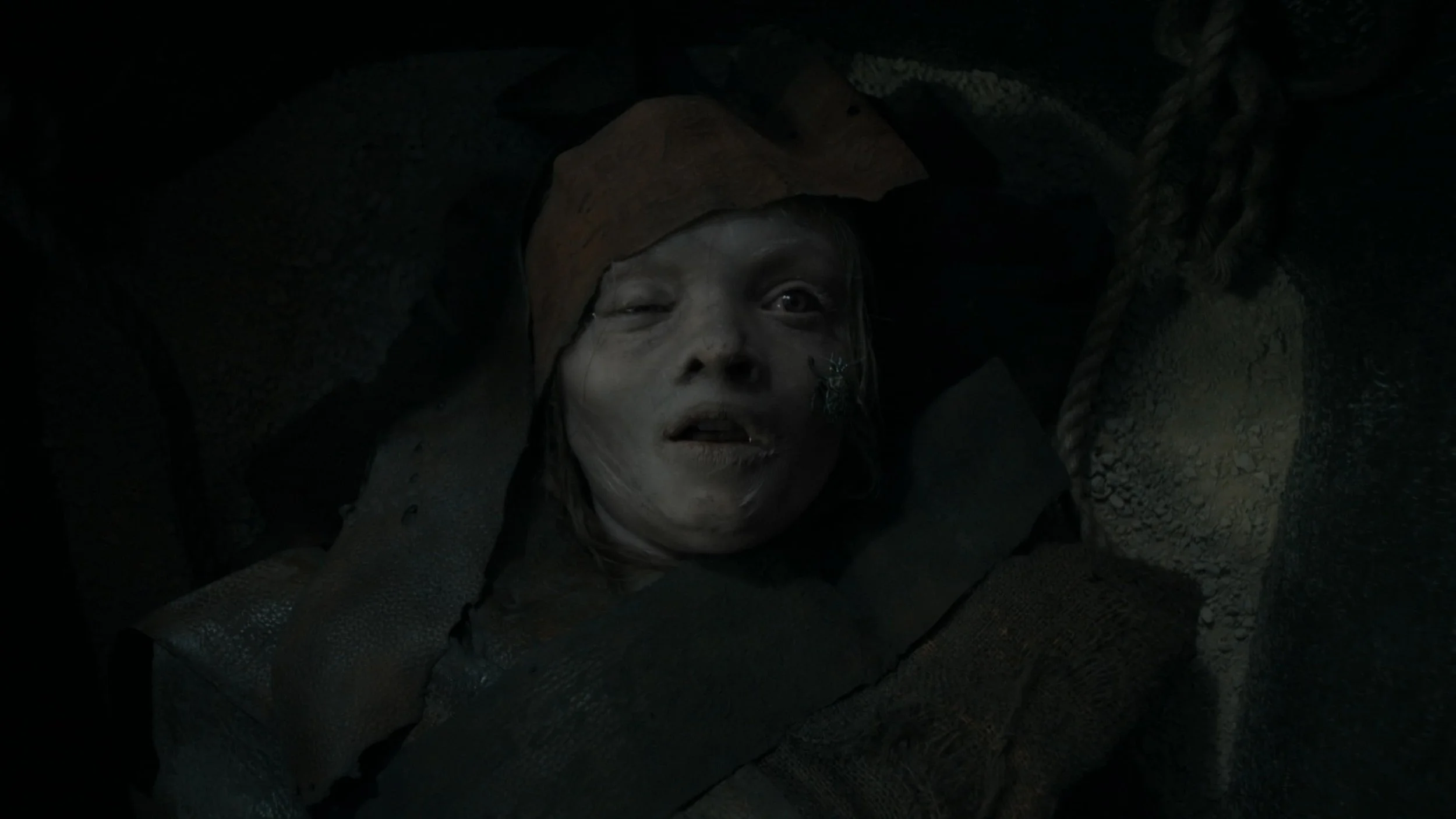
There’s nothing egregiously wrong with The Mummy, it just fails to create a story worth investment. A solid cast, big budget production values, and excellent director cannot transform this boring, tired script into something exciting. Relying on gross-out gags and familiar character beats to his previous work, The Mummy feels like an underbaked, overstuffed remake-in-name-only. Capable, if uneven, The Mummy’s reimagining of the tale earns its mixed reception.
Overall Score? 5/10