Leigh Whannell’s Gritty Wolf Man (2025) Reboot Doesn’t Have the Teeth You’d Expect
Title: Wolf Man
First Non-Festival Release: January 15, 2025 (Theatrical Release)
Director: Leigh Whannell
Writer: Leigh Whannell, Corbett Tuck
Runtime: 103 Minutes
Starring: Christopher Abbott, Julia Garner, Matilda Firth
Where to Watch: Check out where to find it here
Every choice a parent makes has the possibility of leaving a mark on their child for the rest of their life. Childhood traumas don’t end with the death of the abuser or growing up; they stay forever. It’s up to the person who faced it so young to take the steps to unlearn it.
After receiving the notice that his father has been declared legally dead, Blake (Christopher Abbott) decides to take his wife, Charlotte (Julia Garner), and daughter, Ginger (Matilda Firth), to his childhood home deep in the heart of Oregon’s wilderness. While on their way, the family gets lost before running into Blake’s childhood neighbor, Derek (Benedict Hardie), who agrees to direct them to their destination. Before reaching the property, a mysterious creature causes them to crash their moving truck, and that’s just the beginning of their problems.
An empty calorie reimagining, Wolf Man puts a unique but meandering spin on werewolves.
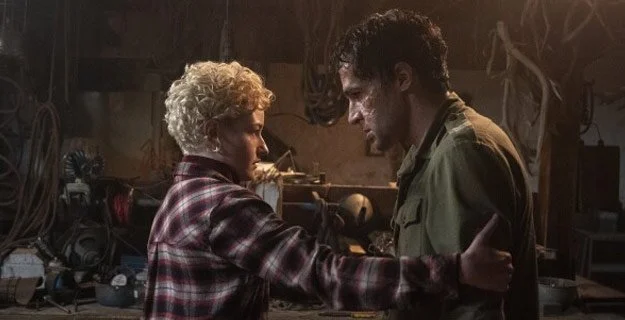
With all the ingredients set up to make an interesting and effective film, Wolf Man takes a rather typical approach to horror. Armed with an atmospheric prologue and introduction to a troubled family, Wolf Man leaves no time for the characters to breathe before thrusting them straight into the action. Once the family gets to Blake’s newly acquired property, the film gets pretty easy to unfurl. Much of the tension arises from Blake’s easy-to-spot transformation after getting slashed by the creature and the family’s half-dozen-or-so attempts to flee to one place back to another. Even one of the film’s final “surprise” reveals comes as no shock to anyone who has seen more than a handful of horror films in their lives. Being generic isn’t a sin, but Wolf Man struggles with keeping the momentum of its breakneck story alive because of this.
Its clumsy attempts to mash up intergenerational trauma with the curse of the werewolf feels like an underbaked attempt to intellectualize the film rather than meaningfully add to the narrative. Blake’s childhood trauma results from his father’s propensity to verbally abuse and control his life in a militaristic fashion. It’s clear he’s been working through his issues in his first introduction as an adult with a child of his own. Spelling it out for audiences, Blake doesn’t want to be like his father. Their estranged relationship and his father’s absentia serve as a catalyst for Blake wanting to repair his family’s withering dynamic. From there, this narrative abruptly falls apart, aside from an on-the-nose comparison of Blake’s transformation into a monster in his childhood home where he himself was a victim of abuse. One of the few neat ideas in the film does try and beef it up though. As Blake succumbs to his newfound species status, his vision and sight transforms into something otherworldly. Serving as a mechanism to neither understand his family members nor see them as he sees himself, his gradually embraced, newly bestowed desires to fling into rage is particularly inspired.
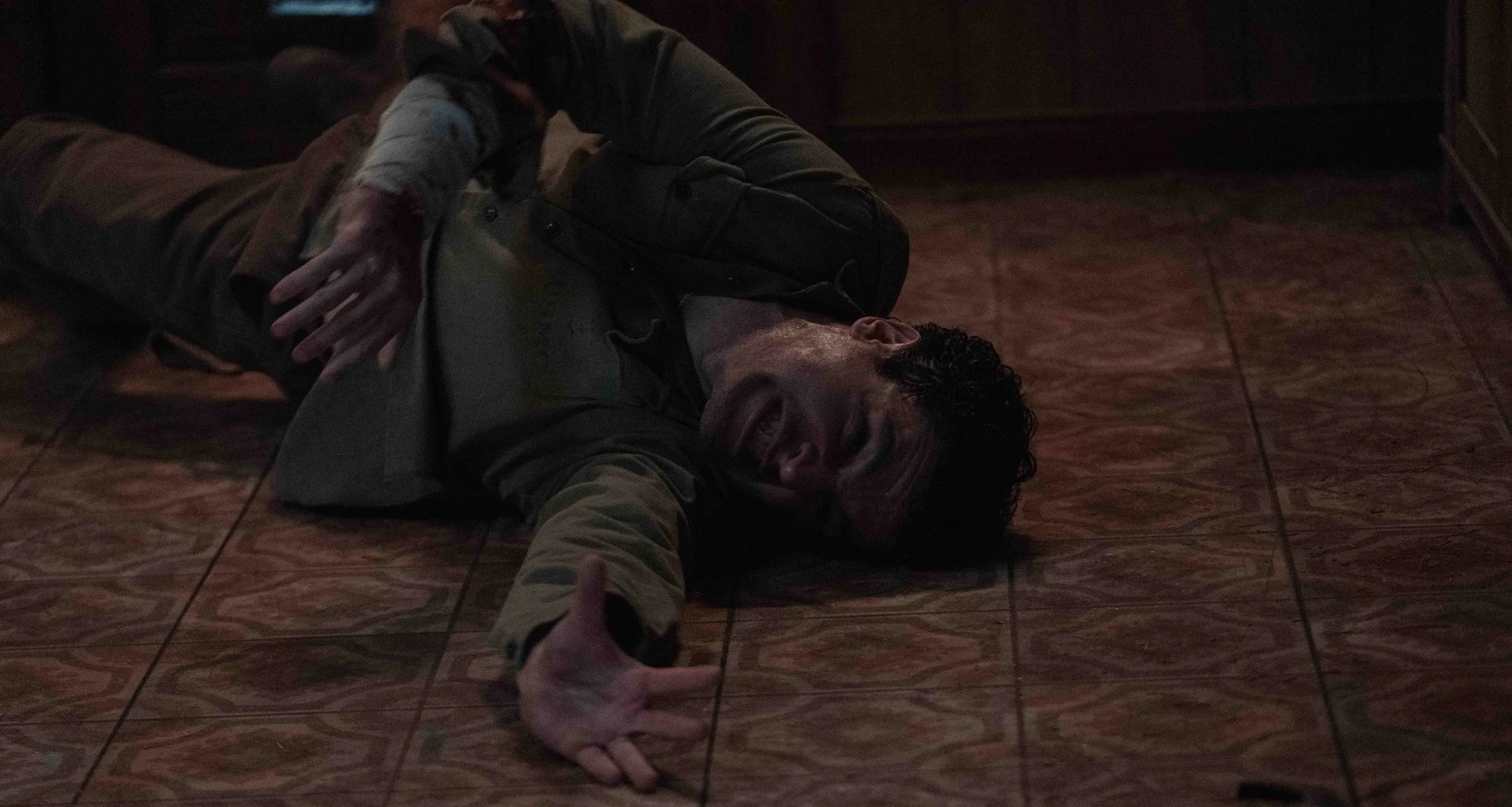
The disjointed family dynamic makes it hard to get behind their harrowing attempts at escaping their ordeal. While the fragmented dynamic is the core of the story, the lack of chemistry between Christopher Abbott and Julia Garner makes the intended touching moments fall flat. Both try their best but ultimately the pair feel like an odd couple at best and strangers unintentionally bumping into each other in a terrifying situation at worst. This problem persists with Matilda Firth, who gives a good performance as Ginger. Neither lead really connects with Firth making the resulting lack of parental energy in both Blake and Charlotte fail to adequately establish the sense of danger. Rushed character development and little sense of the overall story direction makes it understandable to be left wanting from Wolf Man.
Squirm-inducing special effects overtake the narrative woes of Wolf Man allowing Blake’s transformation to operate as the film’s main source of horror. Every crunch of bone, ooze of flesh wound, and broken-off tooth or nail activates a strong empathetic response to how gnarly his transformation gets. Blake slowly disintegrates from a loving father into a sickly, ferocious beast. The result is something truly unexpected. Eschewing typical werewolf designs, Wolf Man opts for something more realistic. Divisive for sure, fans of the traditional, more cinematic werewolf may be disappointed, but there’s no doubt that Wolf Man takes a risk here. A rather bloodless affair aside from his newfound affliction, Wolf Man lives and dies by this evolution. The otherwise remaining wolf action is limited to one or two decently thrilling chases and a few underwhelming fights. Its werewolves look excellent but are otherwise sidelined for an uneven story.
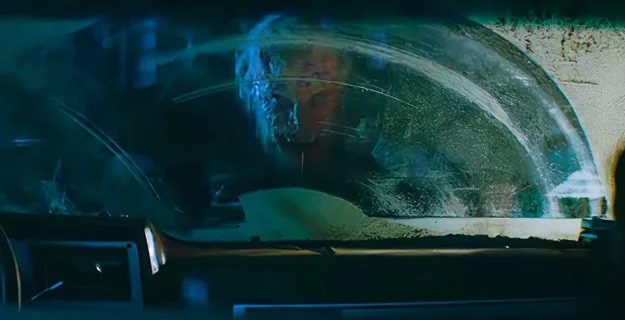
Far from the worst of Blumhouse’s late string of underwhelming horror fodder, the biggest affront Wolf Man makes is its underwhelming approach to lycanthropy. Lacking the scares and offering a weak metaphor for werewolfism, Wolf Man speeds through its simple story with all the swiftness of a monster in the woods. Sturdy enough performances and an original creature design do enough to make it an enjoyable, if lacking, affair. Don’t expect the stars and moon, and Wolf Man may satisfy your cravings for lupine carnage.
Overall Score? 6/10