Title: The Bride
First Non-Festival Release: February 26, 2026 (Premiere)
Director: Maggie Gyllenhaal
Writer: Maggie Gyllenhaal, Mary Shelley
Runtime: 126 Minutes
Starring: Jessie Buckley,Christian Bale, Annette Bening
Where to Watch: Check out where to find it here
Maggie Gyllenhaal’s The Bride seeks to change the narrative on women’s autonomy in a world that seems intrinsically hostile to it. A spin-off of the Universal monsters, the Bride of Frankenstein doesn’t appear in Mary Shelley’s landmark science fiction horror novel in a traditional sense. Instead, she is discussed more as a concept or idea. The Bride seeks to tell her story on her own terms, with a little reinvention along the way.
We meet The Bride (Jessie Buckley), previously known as Ida, mere days before her initial demise, mouthing off about various crime bosses in Chicago before meeting her end at the bottom of a staircase. Meanwhile, the creation of Dr. Frankenstein (Christian Bale) seeks out support in Dr. Cornelia Euphronius (Annette Bening) in making him a bride. They dig up Ida and bring her back to life unaware of her curious affliction that has caused her to be possessed by the ghost of Mary Shelley along with inducing powerful amnesia. Misunderstood and reviled, the pair must evade detection from the police force and mob bosses that want them dead.
The Bride is a messy yet exuberant deconstruction of female identity, and the horror and rage that comes with it.
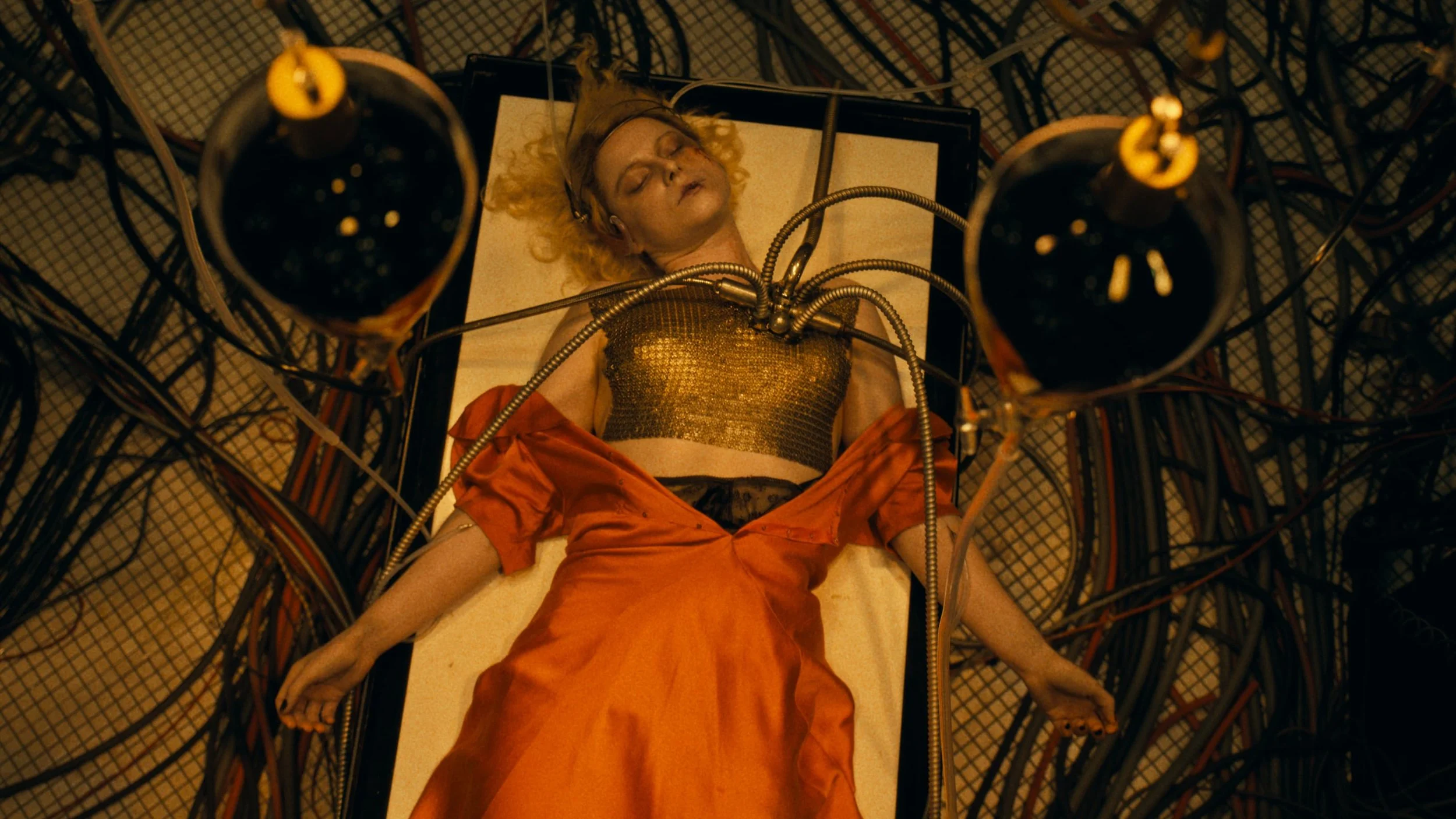
Matching spectacle with depth, The Bride twists what would be expected of a film using “Frankenstein” as a point of entry. Its 1930s American noir setting becomes more than an interesting launchpad and transforms into a necessary inclusion when discussing women’s liberation. On the heels of the Industrial Revolution, women’s suffrage, and the Great Depression, it’s a turbulent time beyond the conservative concerns of flapper dresses and energetic dance numbers. The aesthetic beauty is betrayed by the darkness that slithers underneath. The Bride flips the switch to let electricity bring light to the real threat to women’s liberation: weak, cowardly men.
“I would prefer not to” becomes an inspiring refrain that the Bride reiterates any time she feels her autonomy is disrespected. Intrinsic to her character more than anything, the Bride’s need for agency trumps everything else. It’s in this compelling idea that she unknowingly kickstarts a revolution. The Bride posits how people ignore or pay attention to women when they speak truth to power. Gyllenhaal stretches the idea to its limits, using her fantasy version of 1930s America as a playground for what feminism could correct in a society built upon the ghosts of women.
Perhaps the most curious and provocative aspect of The Bride is its glorious insistence at holding space for contradiction. The Bride doesn’t fit into any boxes set aside for her; she’s abrasive, sensual, intellectual, strange, human. At any time, it’s challenging to guess what she’s thinking but it’s because of her unpredictability that makes her character so fascinating.
Somehow her possession becomes the most relatable thing about the Bride: bristling with the urgency to shout from the rooftops what is on her mind despite uncertainty or fear about whatever may resurface again and not caring if she gets in trouble for it.
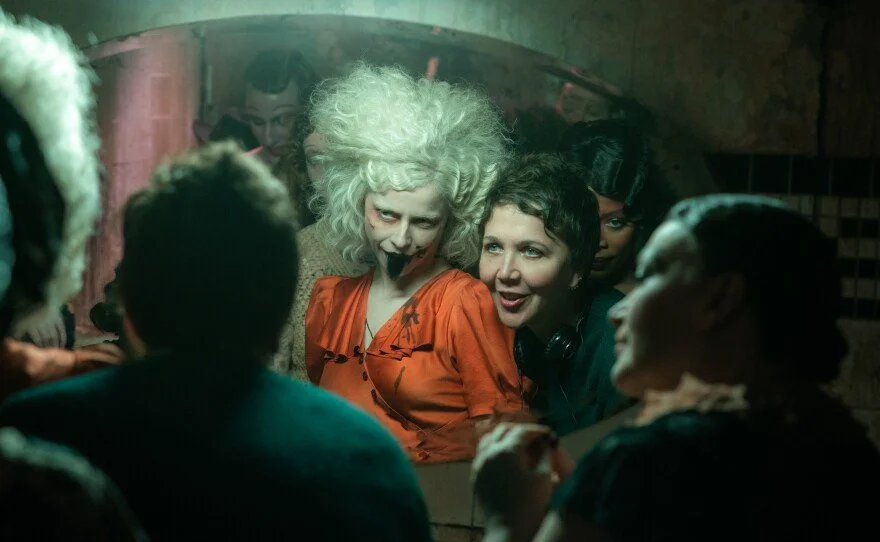
As Gyllenhaal pushes further in the Bride’s journey of identity exploration and evasion of the police, she may slightly lose the plot but homes in on the Bride’s rapidly evolving autonomy. With her new life flashing before her eyes, and the audience’s, the Bride’s quest is her own, much to the displeasure of everyone around her. The moments of reflection are genuine but feel obligatory as Gyllenhaal rushes to the finish line. Important moments of catharsis or profundity linger just long enough before zipping to the next set piece.
Amidst the chaos, The Bride dissects the various horrors inflicted upon women and womanhood. Body horror, psychological horror, existential horror. The Bride’s world isn’t unfair and cruel because she is born [and resurrected again as] a woman but because it was built for men, with women meant to be their accessories, trophies, and property. The real horrors of sexual abuse, trafficking, and femicide, among others, coincide with the more fantastical elements of science fiction and monsters.
Jessie Buckley stuns in her delivery as the Bride and all her iterations. Leaning into the controlled absurdity of her character, Buckley finds identity like a chameleon. Embracing the fury and frenzy of her possessed Bride, Buckley unleashes this primal energy with command. Stuttering feels inherent, the vocal slips intentional. Truly, she’s a delight.
Christian Bale gives a capable performance as “Frank” and Gylenhaal’s brother Jake appears in a charming turn as movie star Ronnie Reed. Annette Bening’s Dr. Euphronius is particularly inspired, as well.
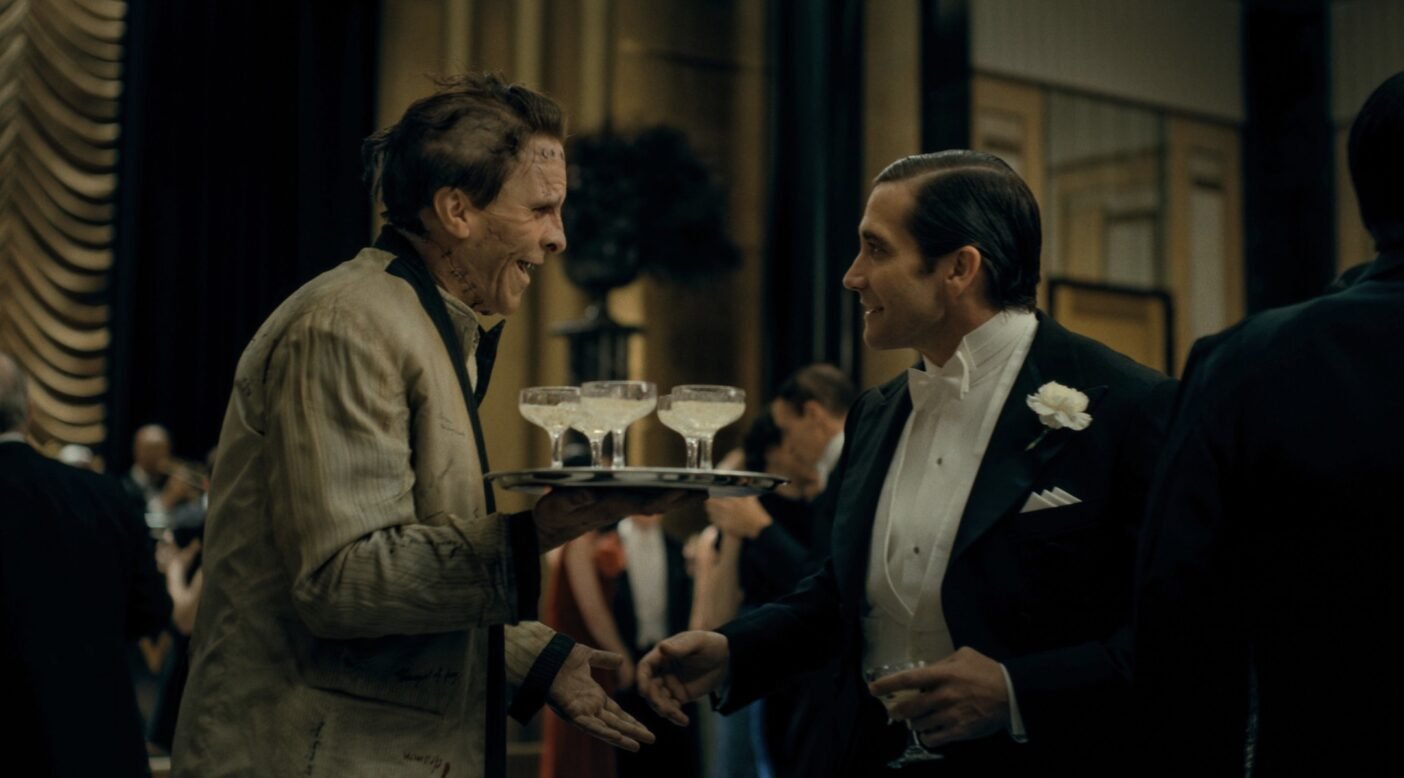
The ingredients are here for sure, but there’s something missing from The Bride that keeps it just slightly out of true greatness. A choppy narrative and a grimace-inducing detective sub-plot soaks up plenty of screen-time without offering much beyond propping up another foil to the Bride. It may be a necessary evil, but it is taxing.
The Bride gets more right than it misses, and fans of auteur-driven stories have plenty to celebrate in Gyllenhaal’s fiery debut. Awash in bold imagery, captivating performances, and a deep, pervasive love for cinema, The Bride makes no apologies for its wonderfully weird take on Mary Shelley’s haunting world. Perhaps it bites off more than it can chew but horror fans aching for something singular and incisive will find The Bride irresistible.
Overall Score? 8/10