Most of the Horror is Imaginary (2024) In Killer Teddy Bear Movie
Title: Imaginary
First Non-Festival Release: March 6, 2024 (Theatrical Release)
Director: Jeff Wadlow
Writer: Jeff Wadlow, Greg Erb, Jason Oremland
Runtime: 104 Minutes
Starring: DeWanda Wise, Taegen Burns, Pyper Braun
Where to Watch: Check out where to find it here
Imaginary friends serve a variety of purposes for kids. Some are conjured through boredom, others to process trauma or cure loneliness, while others can be a sign of deeper problems. Usually, these pretend friends disappear rather quickly after the child moves on and finds other ways to satisfy their need of companionship.
Jessica (DeWanda Wise) returns to her childhood home with her husband Max (Tom Payne) and her two stepdaughters Taylor (Taegen Burns) and Alice (Pyper Braun). When Max leaves for a work obligation, Jessica is left alone with the girls. When Alice finds a teddy bear in the basement, she unknowingly awakens the imaginary friend, Chauncey, that tormented Jessica and her family years ago. Now, Jessica must do whatever it takes to save her stepdaughters from the bear’s sinister plans.
While much of Imaginary falls flat in its limited and obvious approach to an otherwise limitless concept, Imaginary does well in bringing some aspects of its killer teddy bear to life.
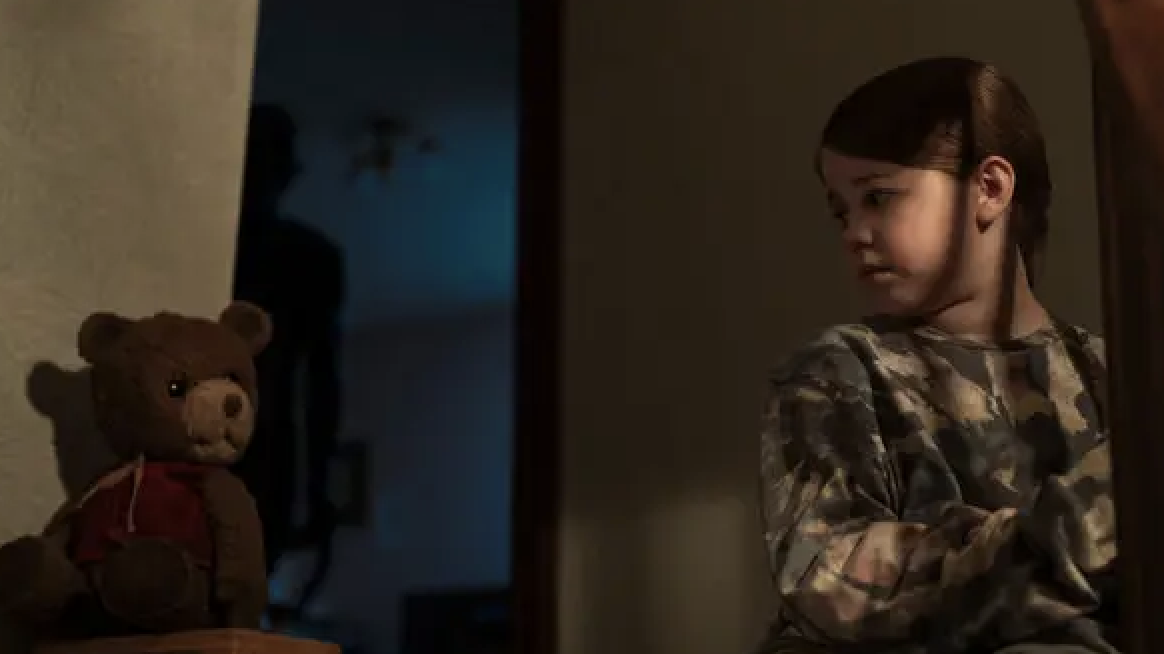
From the beginning, Imaginary operates in the familiar by setting up its supernatural horror in the most generic way possible. Alice’s odd behavior portends the creeping presence of Chauncey in the most obvious ways. Scary drawings, voice changes, and self harm lead to Jessica realizing the problem is bigger than what she anticipates. A series of other similar beats play out that lead the film down a rather predictable path. Alice’s behavior is thought to be acting out due to the move rather than any actual issues. Her inevitable disappearance leads Jessica to unearth her childhood trauma, and Taylor operates as a sandpaper roadblock every step of the way, leaning fully into the snarky teenager archetype. Nothing in Imaginary screams creative.
Throughout Imaginary we learn little about Jessica’s character. Growing up with the trauma of her father’s mental breakdown and marrying a man with two young daughters, there is plenty to mine in Jessica’s story. Unfortunately, most of these dynamics fall flat due to a lack of exploration. Understandably there is more focus on the mystery behind Chauncey than Jessica’s emotional scars. Sure, we learn about Jessica’s childhood and what leads to her father’s affliction but many of the other threads never tie together in the end.
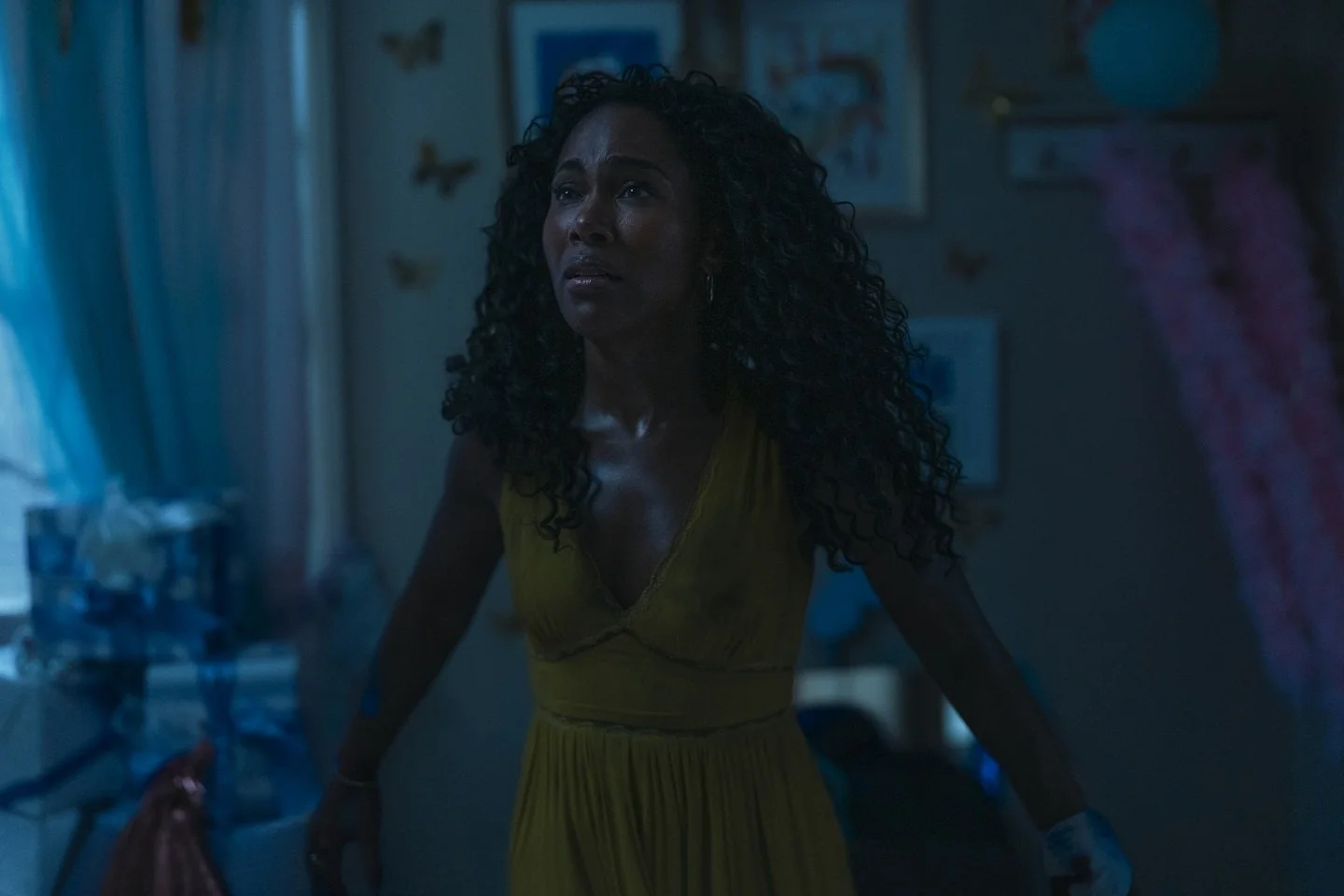
The character’s lack of development or chemistry halts the production from building on any tension it achieves. DeWanda Wise does her best to anchor the sinking ship, but even her solid performance is overshadowed by the lack of chemistry amongst the cast. Wise handles the emotional beats well enough but there just isn’t a spark between any of the family members. Her performance can only do so much for the bland script and absent chemistry. While it’s natural for Jessica and the kids to not have many sparks between them due to their family structure, their distance seems unnatural. Flat performances from the rest of the cast make the supernatural horror film lack stakes and urgency.
Ironically, it’s the lack of imagination that does Imaginary in by the time it reaches its third act. Jessica is forced to enter into the imagination realm where Chauncey reigns supreme to save Alice. Once she and the rest of the crew enter, they wander into a dull blue maze full of hallways and angry manifestations of Chauncey’s rage. When imagination is the limit, it’s clear that Imaginary has very little. The promise that anything can happen to the protagonists falls apart when the most obvious choices are taken to put them in and out of danger. The missed opportunity makes the finale feel empty and derivative.
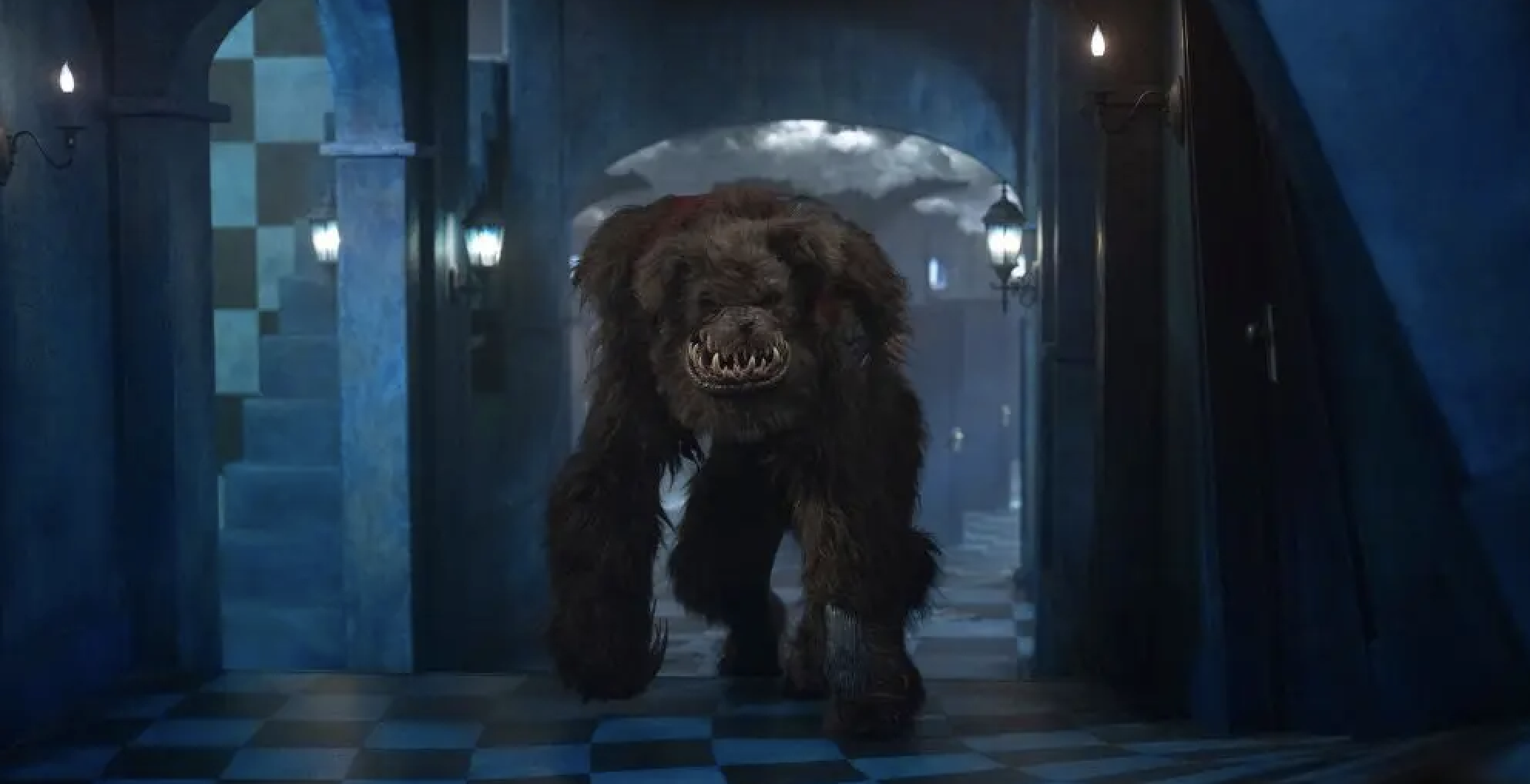
Another sordid Blumhouse affair without teeth or thrills, Imaginary fumbles its premise with its inability to do anything original or fun. Bland scares, cheap production values, and uninspired characters do little to elevate Imaginary beyond mediocre. Despite all this, it’s the vision of what could have been that makes Imaginary so frustrating.
Overall Score? 5/10