Return to Silent Hill (2026) for Overstuffed Psychological Horror and Baffling Creative Decisions
Title: Return to Silent Hill
First Non-Festival Release: January 26, 2026 (Theatrical Release)
Director: Christophe Gans
Writer: Christophe Gans, Sandra Vo-Anh, William Josegf Schneider
Runtime: 106 Minutes
Starring: Jeremy Irvine, Hannah Emily Anderson, Ljiljana Velimirov
Where to Watch: Check out where to find it here
An adaptation of the popular video game Silent Hill 2, Return to Silent Hill picks up with a new cast and interpretation of the besieged town.
James Sunderland (Jeremy Irvine) spends his days toiling for his estranged lover, Mary Crane (Hannah Emily Anderson) and reminiscing of a life that is no longer his own. In one of his stumbling spells, he finds himself alone in the city where they fell in love: Silent Hill. Apocalyptic by the state of things, the city is crumbling around James, with just a thin layer of constantly falling ash to decorate the scenery. As his search for Mary pushes him further into the city center, James discovers terrifying creatures that are agitated enough to attack him. While this isn’t how he expected his journey to go, the revelations he will have are far scarier than any physical thing he can find in Silent Hill.
A baffling misfire in every respect, Return to Silent Hill exemplifies everything wrong with pure nostalgia-based filmmaking.

In its best effort to capture the haunting energy of its mysterious titular town, Return to Silent Hill speed walks through horror conventions to get to the “good stuff” without actually delivering any of the “good stuff.” James’s story starts typical enough for a psychological horror. Stuck in this feedback loop where he must act to right a horrible mistake he cannot name, James’s exploration says more about his character than the vivarium he suddenly finds himself trapped within. It plays out without much fanfare. Sirens blast, monsters attack, James gets away, James meets a vague and slightly untrustworthy survivor until he has to run again, and then repeat. Return to Silent Hill fails to add an appropriate spin to these encounters to either give them weight or exploit them for scares.
Instead, Return to Silent Hill rushes through these moments to highlight whatever game feature Director Christophe Gans decides is appropriately cool or fitting. The video game sheen that fades in and out of the otherwise delightfully phantasmagorical nightmare becomes distracting. It constantly begs the question, is this real or all a mirage? This becomes the deflated thesis of Return to Silent Hill. While James fights for his sanity and the chance at redemption, the nightmarish visions he conjures in his mind lose their potency and logic. The intentional shallowness of the characters that populate the dying town and the viciousness of the violence say plenty about James’s psyche but fail to produce any compelling insight. The visions of a loving yet failed relationship with Mary, interspersed with examples of her failing health, provide sufficient anguish and share important plot points, but the exploration is empty. Contrition and promises of togetherness are great, but then what? Hollow expressions of guilt and longing maybe give the illusion of substance but it lacks, nonetheless.
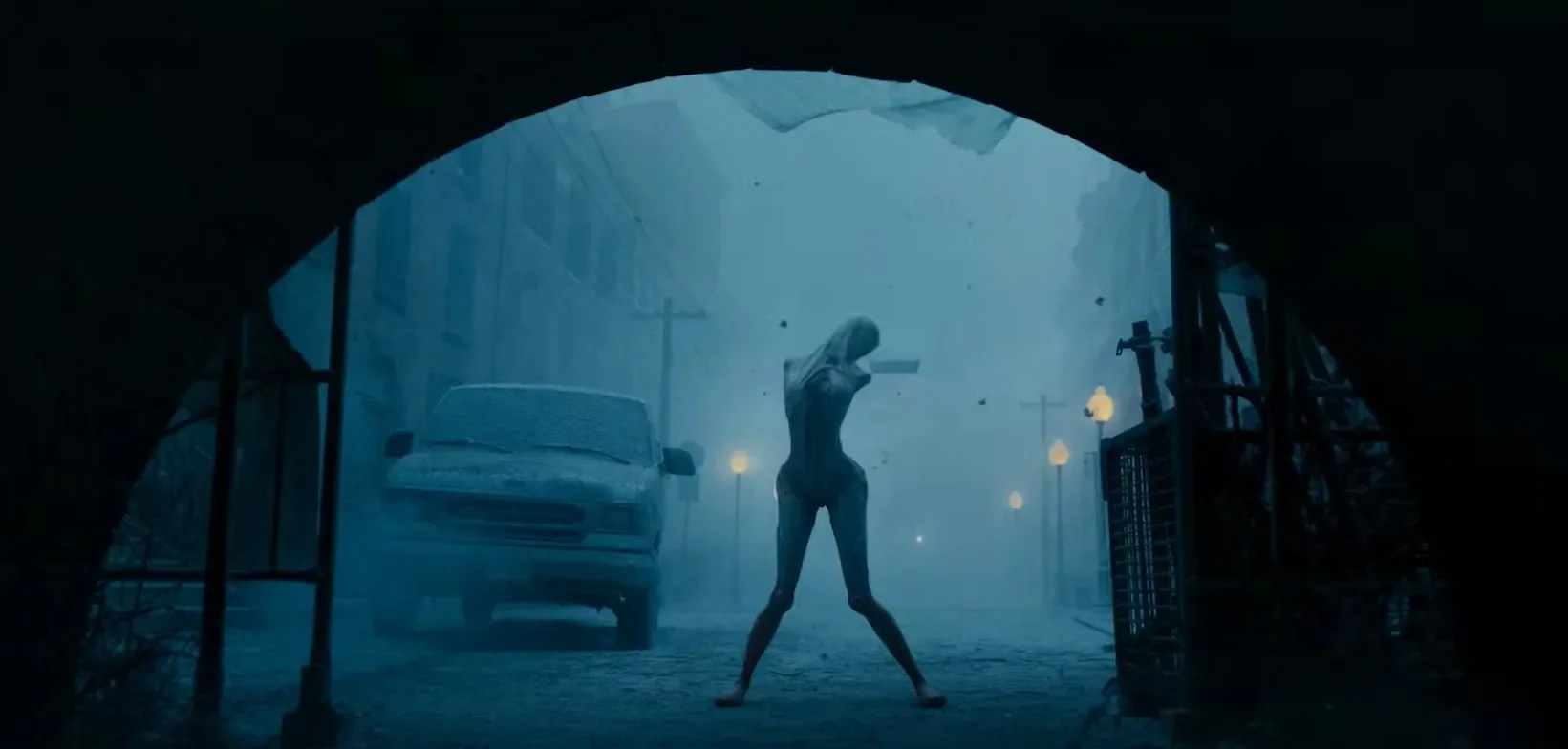
It’s in this familiarity and repetition that Return to Silent Hill fails to break free from its own prison. In efforts to increase the psychological horror components, Gans’s reprise fails to do more than drape stale tropes and tired sequences up around the story. Each location James comes across throughout his imperiled stay in Silent Hill harkens back to pivotal moments in his relationship with Mary. Flashbacks are used to re-contextualize James’s circumstances and erode the nobility of his quest. Each revelation makes the story clearer while chipping away further at James. What’s left is the decaying rot of guilt and unrealized acts of salvation, which would be poetic if not for the chunky wigs, overwrought performances, and hideous costumes betraying the edgy artifice of the ash-stricken ruins.
Its kaleidoscope of cgi viscera and falling ash cannot make up for the rushed story and lifeless characters. Movies like Return to Silent Hill can pivot when their attempts at storytelling fall flat if there is solid visual direction. Unfortunately, the 2026 iteration doesn’t bring the haunting town to life. Eschewing the atmosphere of the games, or even the 2006 film, Return to Silent Hill acts more like carnival ride. Prioritizing uncanny video game graphics and weightless fight sequences, the failure to build suspense gives the film an interminable feel thanks to its penchant for rug-pulls to keep it going. There’s barely time to breathe between scares before racing off to the next underwhelming display of visual effects prowess. It even intentionally takes on the look of a video game, leaning into the smoothness and hyper-reality of the space to the film’s visual detriment. The hidden beauty and charming horror of its imagery eventually gets lost within its self-constructed labyrinth of VFX shit.
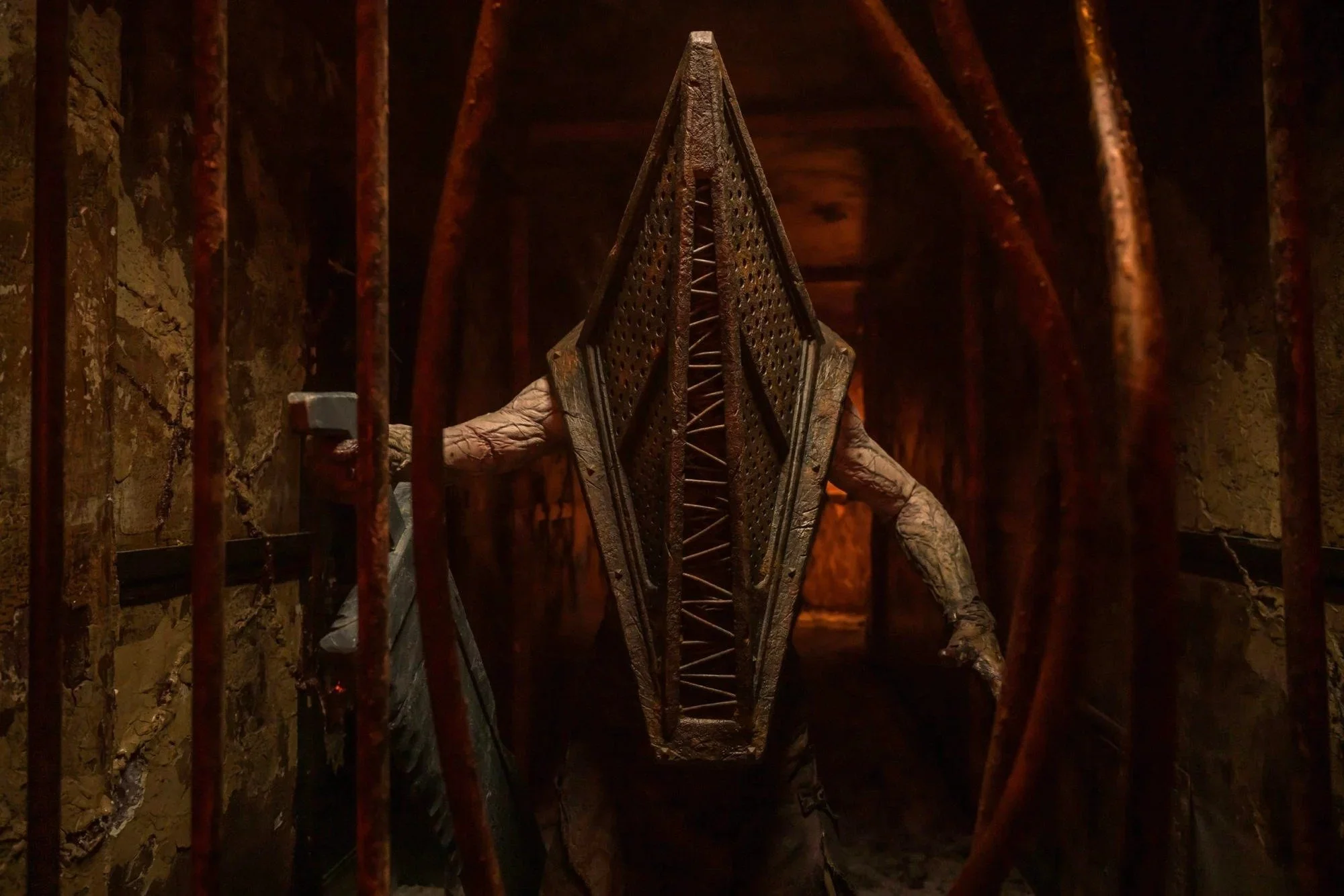
A sickening display of Hollywood’s worst instincts, Return to Silent Hilll is a masterclass on how not to create a pitch-perfect horror film. Wooden performances, middling effects, cheap-looking costumes and wigs, limp action sequences, frail attempts at horror, messy plot decisions, and unbelievable characters kneecap the reboot at every turn. Fans and casual moviegoers will find little to celebrate in the supernatural horror film, as there’s nothing new here done particularly well. Diehard fans of the concept of Silent Hill may enjoy parts of Return to Silent Hill, otherwise it’s best to search for a horror film worth loving elsewhere.
Overall Score? 4/10