The Realities of Fascism are Brutal and Bloody in Historical Horror 1978 (PANIC)
Title: 1978
First Non-Festival Release: March 6, 2025 (Theatrical Release)
Director: Luciano Onetti, Nicolás Onetti
Writer: Luciano Onetti, Nicolás Onetti, Camilo Zaffora
Runtime: 76 Minutes
Starring: Agustín Olcese, Mario Alarcón, Carlos Portaluppi
Where to Watch: Check out where to find it here
This film’s review was written after its screening at the Panic Film Festival in 2025.
From 1976 until 1983, Argentine militants kidnapped, tortured, and killed citizens suspected of supporting communism following the installation of a military dictatorship known as the National Reorganization process. A dark period in Argentina’s history, this particular instance of far-right terror was criticized for its myriad of human rights violations. Leading up to the World Cup, the Argentine government attempted to stomp out any criticisms of the government from its people.
One such group of fascist militants does exactly this in 1978 during the final match of the World Cup. Not content with terrorizing the five students they abducted, they apply pressure until one of the students cracks and reveals more of their ranks. After conducting another raid, they manage to rescue a woman, Irene (Paula Silva), from their compound. Declaring victory, they continue their torture tactics to round up more. The only problem is this isn’t the communist group they are looking for.
Twisted, gory Argentinian horror, 1978 has all the ingredients to be an incredible horror film yet fails to use them effectively.
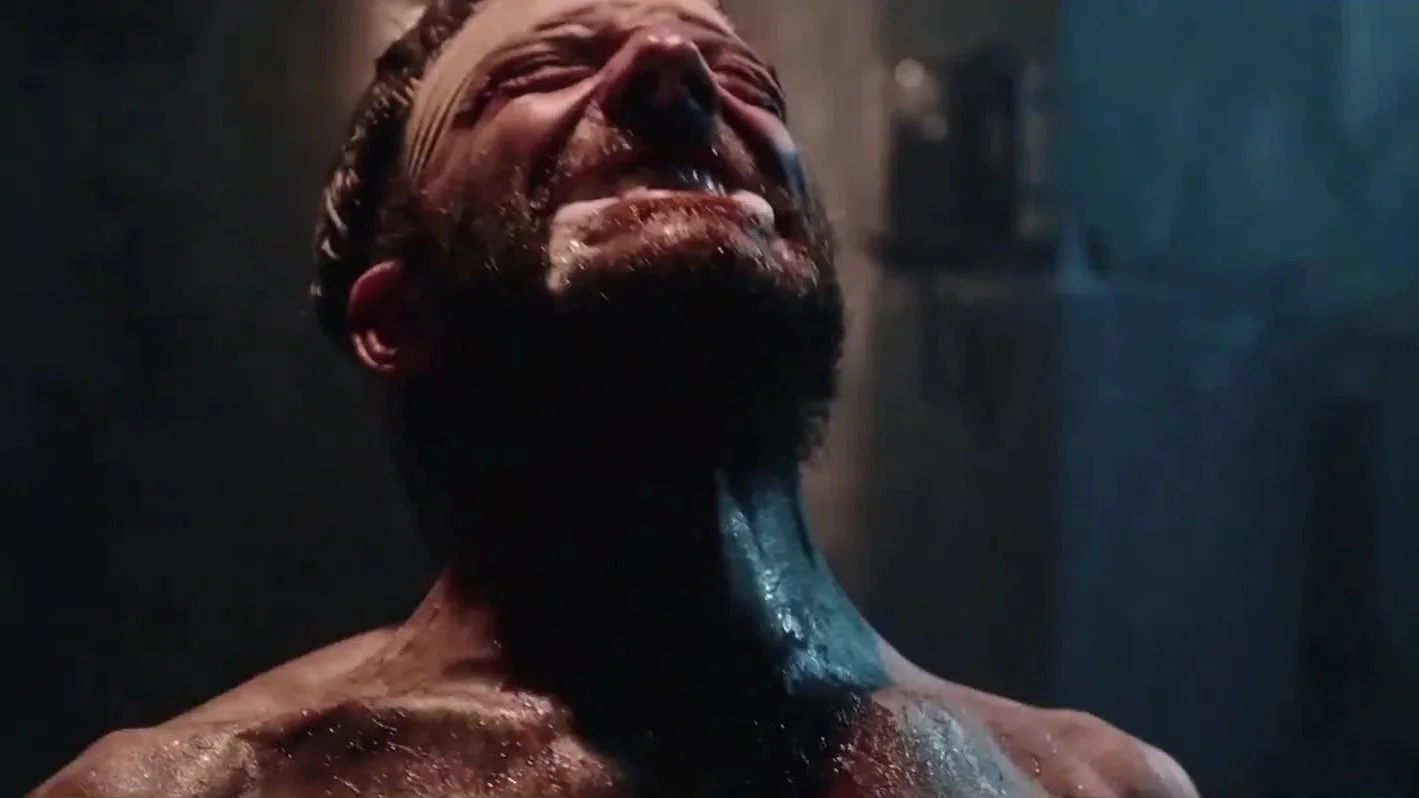
Kicking off its bloody story with a haunting description of this time in history, 1978 lets audiences know it isn’t playing around with its first tense interrogation scene. Ripe with tension as a group of nationalists sit at a table with the sounds of the World Cup playing in the background, a man is tied to a chair, squirming as they question him about his political involvements. It’s provocative and truly terrifying. Unfortunately, it falls apart soon thereafter.
Brief introductions to cannon fodder characters make it hard to follow whose story is the heart of 1978, making it less engaging. With a huge cast and an expansive concept, it is easy to get lost in all of what 1978 attempts to offer. Shifting between points of view, main characters, and what exactly the horror is, there is lack of focus that makes its story uneven and frustrating. There are times where characters teleport or get killed off so quickly it’s easy to miss it until much later. This lack of cohesion really hits the film hard by the time it reaches its second act, making the ensuing reveals fall flat.
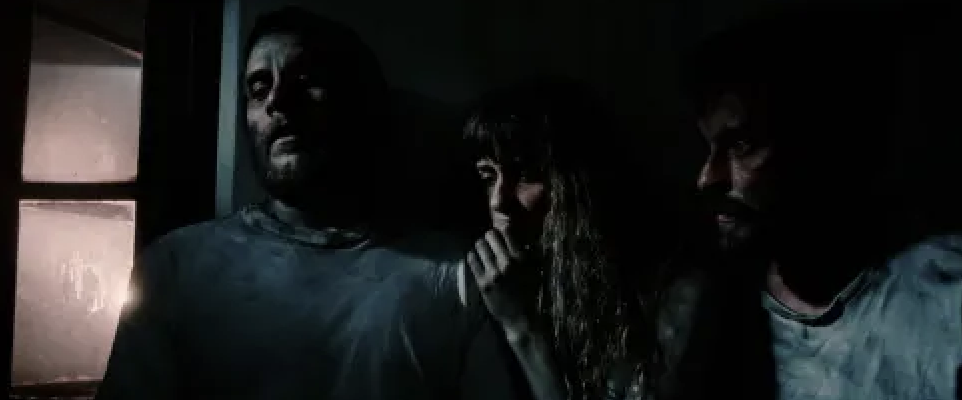
Of course, there is some interesting conversations being had about the turbulent, violent nature of 1978 that mirrors reality. With how disorienting and unorganized its story structure becomes, it emulates the fear that leftist organizers and everyday people felt during this time in history. Promises of violence doled out to anyone with even a shred of doubt in their story makes it easy to sympathize with those caught in the crosshairs of the violence, both political and otherwise.
Its saving grace is its bizarre and horrifying imagery, regardless of how well integrated it is in the overall film. From its initial interrogation scene to the rapid acceleration of violence that explodes throughout the story, it begins feeling impossible to process the horrific images onscreen. Transforming from something intimate into a grandiose finale of brutalized bodies recreating a new form of Hell, 1978 isn’t afraid to go far with its gore. The scares may be borne more from the aesthetics, but that doesn’t take away that 1978 gets its message across effectively despite its underwhelming story.
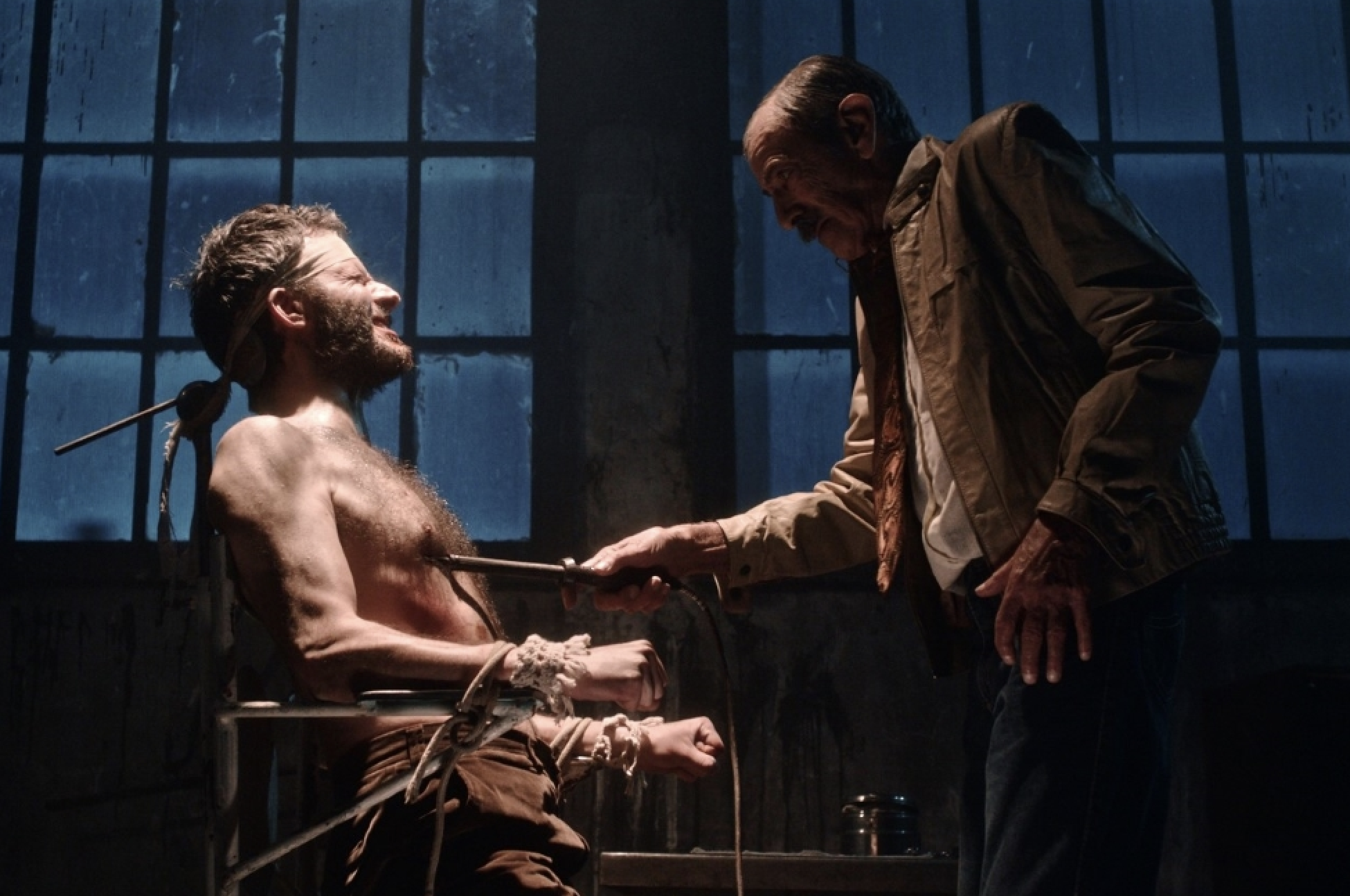
A lean, dark horror film bursting with compelling political commentary is lurking underneath this empty high concept Argentinian export. Its concept and excellent visuals do most of the heavy lifting for the paper-thin story, but 1978 isn’t afraid to stand firm in the glory of its horror. The political undertones feel close-to-home, with the creeping dread of fascism spreading across the globe, and 1978 isn’t afraid to speak plainly about what that means for those who don’t get savvy quickly, despite its confusing choice in final characters. Bloody and certifiably upsetting, mileage will vary with the ways 1978 decides to depict the terrors that fascism and nationalism bring to everyday people.
Overall Score? 5/10