The Sensationalism of and Desensitization to Violence Lies Within Red Rooms (2024)
Title: Red Rooms
First Non-Festival Release: January 17, 2024 (Theatrical Release)
Director: Pascal Plante
Writer: Pascal Plante
Runtime: 118 Minutes
Starring: Juliette Gariépy, Laurie Babin, Maxwell McCabe-Lokos
Where to Watch: Check out where to find it here
The rise of true crime media in the past decade has ushered in commentary over the ethics of commercializing the worst moments of victim’s lives. Many critics posit that this trend has resulted in an increase of desensitization to violence and sensationalism and a decrease in empathy. Red Rooms asks what the next logical step would be.
This is embodied in Kelly-Anne (Juliette Gariépy), a part-time model and online poker addict who is obsessed with the murder trial of Ludovic Chevalier (Maxwell McCabe-Lokos). Chevalier is charged with the murder of three teenage girls, which he live-streamed on the dark web. While attending the trial, Kelly-Anne befriends Clémentine (Laurie Babin), an avid support of Chevalier who insists upon his innocence. As the trial runs its course, Kelly-Anne finds herself drawn further into the case verging on obsession.
Chilling and provocative, Red Rooms dissects the complicated state of crime media consumption in the modern age.
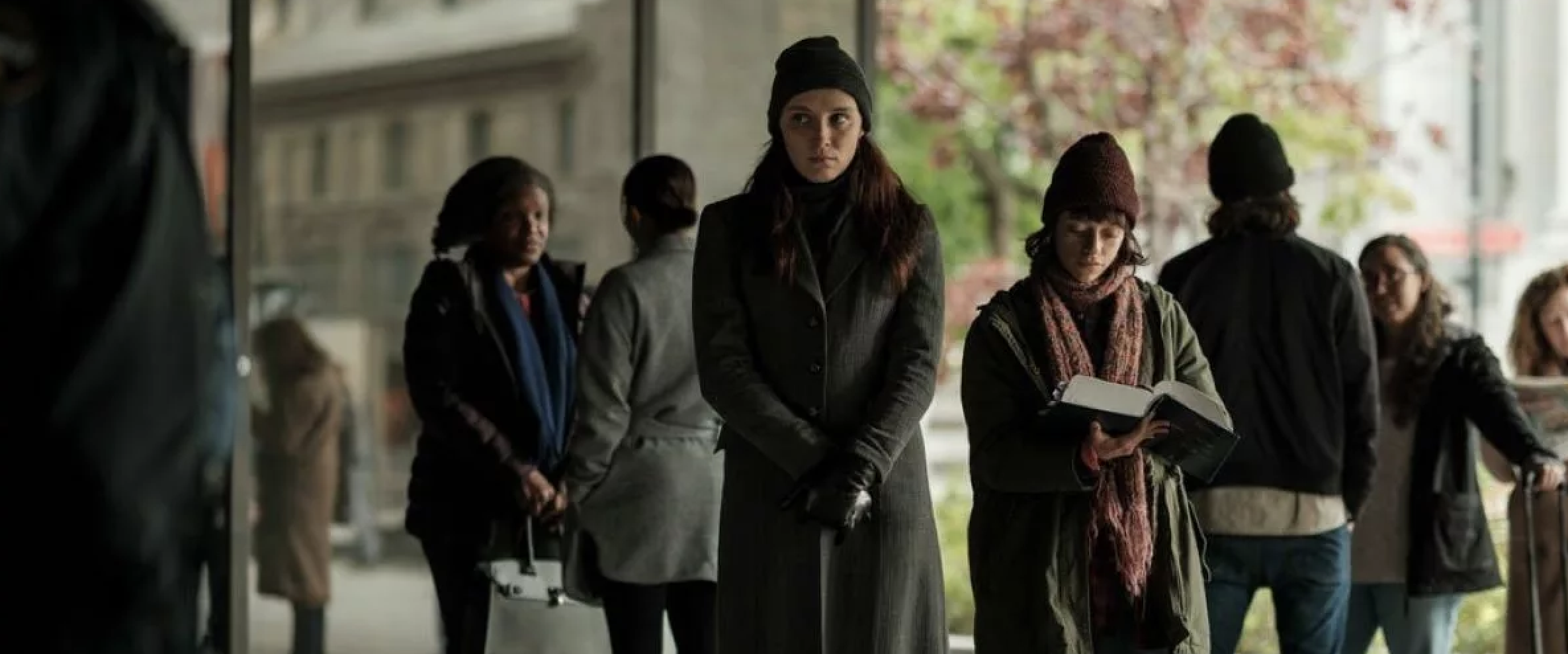
The deification of evil men has long been ingrained in the public consciousness. Even serial killers, cult leaders, and abusers have fans, and the twisted psychology behind their support makes for a compelling case study in obsession. It doesn’t take much for people to draw their own conclusions from high profile cases when media frenzies the public in any way to juice up the ratings. Red Rooms tries to cut through the noise by focusing on the psychology of what would lead someone to believe the best in someone accused of such evil, especially one without any personal connection.
There is a finality associated with murder that isn’t replicable to other crimes. While not impossible, the litigation of a victim’s personal life can only go so far when paired with physical evidence, something the prosecution has in abundance. In a world where Chris Brown and Johnny Depp can still get work, would Chevalier face justice for his crimes had his victim’s lived?
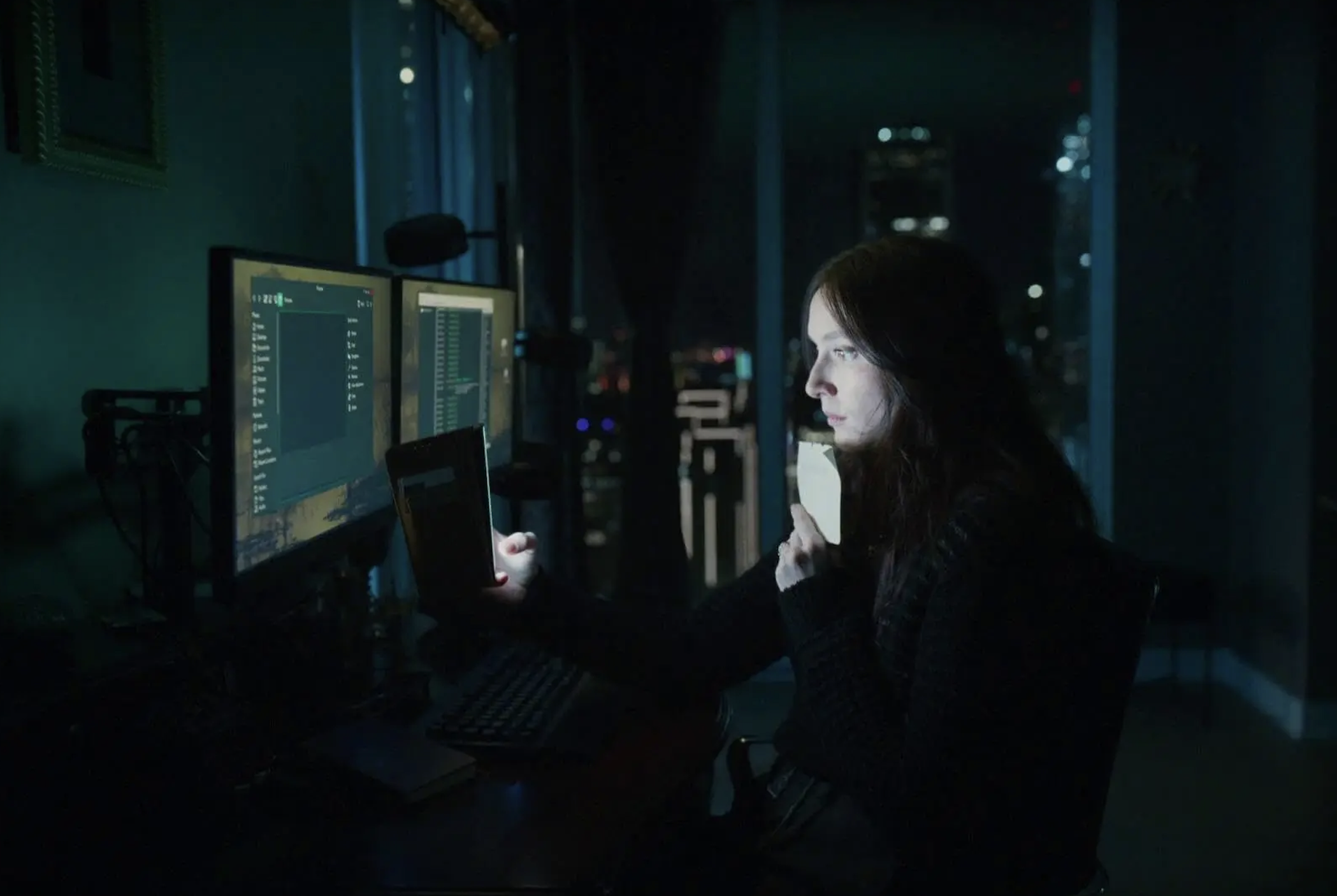
This is what makes Kelly-Anne so compelling; her motivations don’t lie with Chevalier. Unable to feel emotions and known for her edge in the modeling community, Kelly-Anne resorts to extreme measures to feel anything. Her approach to the case is odd, noted by nearly everyone around her. Her reasons unfurl throughout the film as she engages with the trial in increasingly inappropriate ways before reaching a climax as unsettling as it is indicting. Kelly-Anne’s predilections aren’t borne from a morbid curiosity but from a need to feed on misery. Her deeply unwell devotion to the trial, at the expense of her career, finances, and those around her, showcase the depths of her fixation. In the end, Kelly-Anne walks a fine line between chaos stirrer and outright villain, differentiated only by how close she follows, or chooses not to follow, the law.
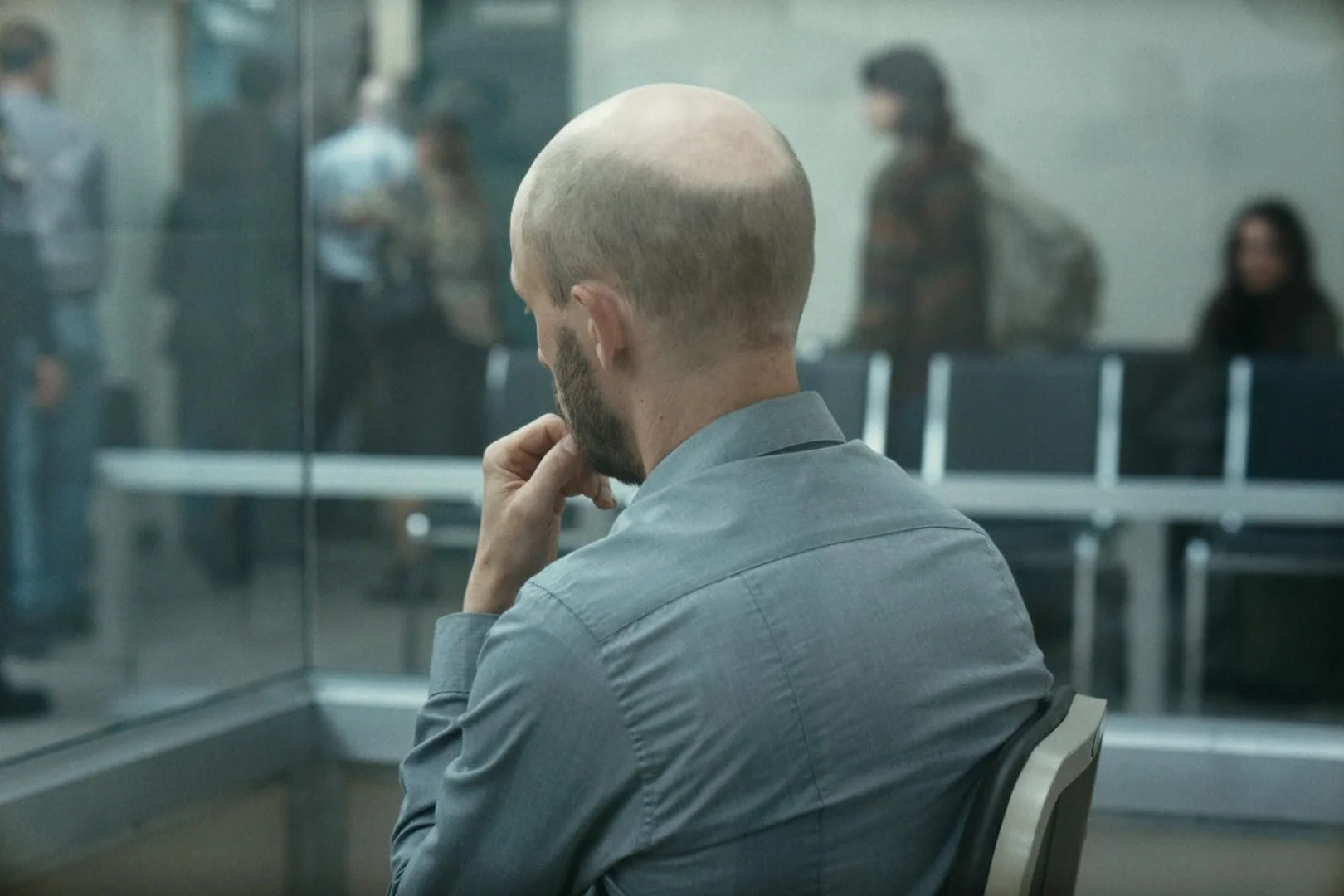
Clémentine is a foil to Kelly-Anne in many ways, with her emotional support of Chevalier looked at by Kelly-Anne, and thus the audience, as something to pity. Her belief that Chevalier is innocent drives her to support the man through the media firestorm. For some reason, this case is personal to her. While Red Rooms doesn’t linger on why, her devotion is key to understanding Kelly-Anne. Like many onlookers attending a trial, Clémentine seeks justice for someone she believes is wrongly accused. Kelly-Anne is apathetic to that line of thinking. When confronted by Kelly-Anne’s true self, she is forced to reconsider her entire worldview for the past few months, a daunting and humbling experience to say the least. It’s a predicament Kelly-Anne would never find herself in, which she weaponizes. Laurie Babin’s impassioned performance as Clémentine wouldn’t work without the dark hollowness of Juliette Gariépy’s.
Unflinching in its approach, Red Rooms refuses to let viewers look away or distract them with the lurid details. It’s enough to believe the prosecutor (Natalie Tannous) that the crimes committed against the three young victims are heinous from her short description of their fates. With every shred of evidence examined from afar, Red Rooms never strays from its purpose: analyzing the people who consume crimes like its entertainment. Kelly-Anne’s voracious appetite for the suffering is enough horror without resorting to the sensationalism and cynical consumption that Red Rooms criticizes.
A harrowing character study that challenges as much as it unsettles, Red Rooms questions the way violence is consumed and consuming in society. Whether or not the blame lies with the producer or the viewer, desensitization remains a barrier to justice. Bold performances and thought-provoking questions make Red Rooms an excellent horror adjacent drama that disturbs with purpose.
Overall Score? 8/10