There’s No Charity in Nia DaCosta’s Excellent Sequel: 28 Years Later: The Bone Temple (2026)
Title: 28 Years Later: The Bone Temple
First Non-Festival Release: January 14, 2026 (Theatrical Release)
Director: Nia DaCosta
Writer: Alex Garland
Runtime: 109 Minutes
Starring: Jack O’Connell, Ralph Fiennes, Alfie Williams
Where to Watch: Check out where to find it here
The long-term ramifications of political instability echo further than the governments that fabricate the chaos. They are baked into the policies, leaders, and hearts of people that propelled themselves into the strife. 28 Years Later: The Bone Temple posits that this is how the cruel banality of human nature emerges from toxic discourse.
Picking up where 28 Years Later leaves off, Spike (Alfie Williams) is forced to compete in a vile game created by the leader of the Jimmies, Sir Lord Jimmy Crystal (Jack O’Connell) to decide if he will live or die. Spike proves himself swiftly, despite a clear air of distrust amongst the other Jimmies in the posse, and is christened Jimmy as well. His newly earned name isn’t without responsibilities. Tagging along with the group to aid in their quest of delivering “charity” to those who deserve it, Spike learns just how evil humanity can be in the face of adversity while still dodging the infected that constantly threaten the group and Dr. Ian Kelson (Ralph Fiennes).
A dark and twisted journey through a battered down United Kingdom, 28 Years Later: The Bone Temple continues the new trilogy’s deep dive into British politics and arrested development.
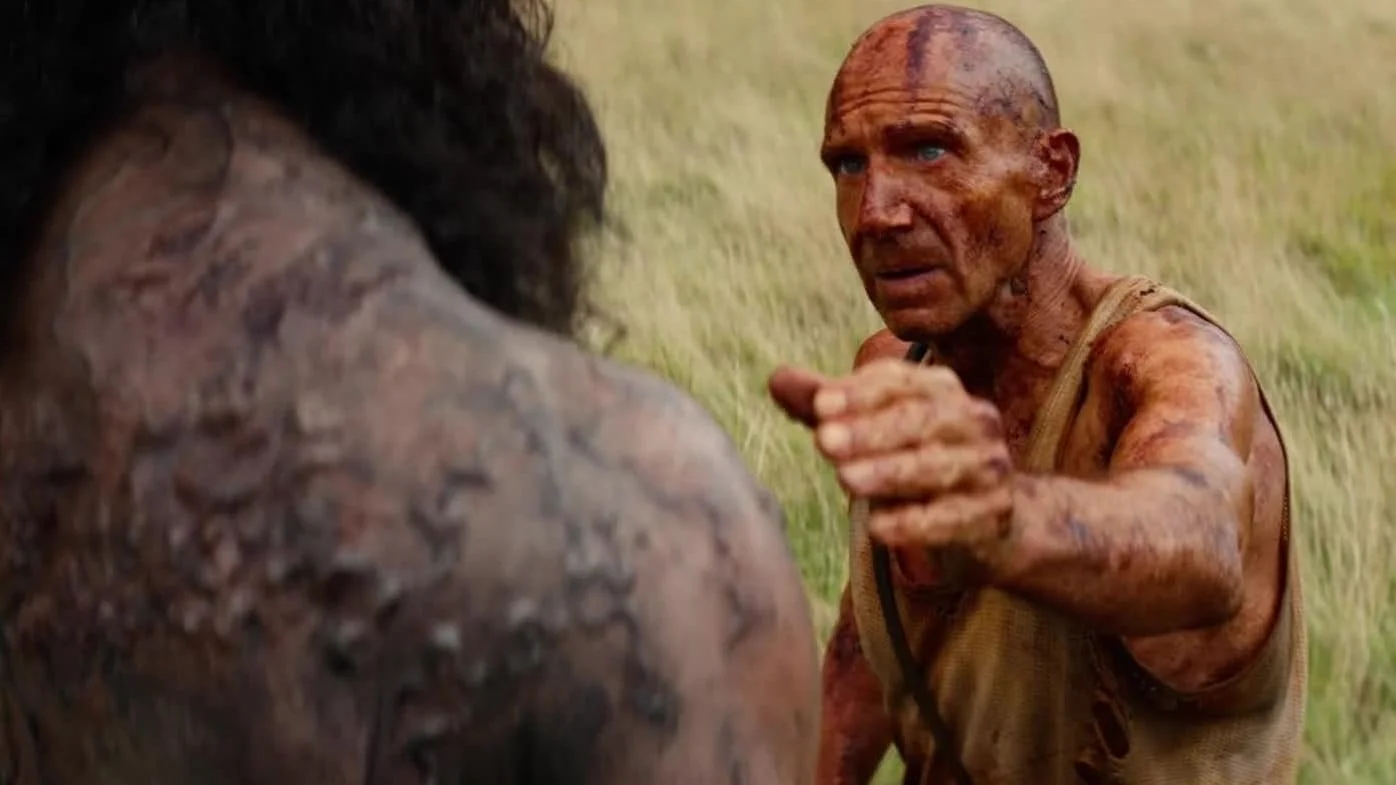
An atypical approach to the sub-genre, there’s something undeniable about the way director Nia DaCosta straddles 28 Years Later: The Bone Temple between its predecessor and successor while still letting it stand wholly on its own. Shifting from the emotional yet still horrifying coming-of-age story of 28 Years Later, The Bone Temple thrusts viewers into adulthood alongside Spike where he is forced to fight for his place in a new society every day. The cult-like mentality of the Jimmys serves multiple purposes but on the surface their presence forces the audience to reconsider what survival means. While other post-apocalyptic films delve into the idea of religious extremism in the aftermath, 28 Years Later: The Bone Temple does so in a direct comparison to the ways in which humans observe and interact with the infected.
Escalating the stakes, 28 Years Later: The Bone Temple takes bold risks that differentiate the trilogy from similar films. With the infected surrounding him and the distant fears of his father and village not far behind him, Spike is thrust into even more danger by crossing paths with the Jimmys. Their presence adds a new dimension to the film, offering thoughtful commentary that goes beyond the tired “humans are the real monsters” trope that haunts similar films. Instead, 28 Years Later: The Bone Temple gives depth to this group to shed more light on British society in the wake of the new millennium. Between its stunning visuals, anxiety-inducing tension, and unique story, 28 Years Later: The Bone Temple has much to say in continuing the franchise’s commentary on the modern United Kingdom.
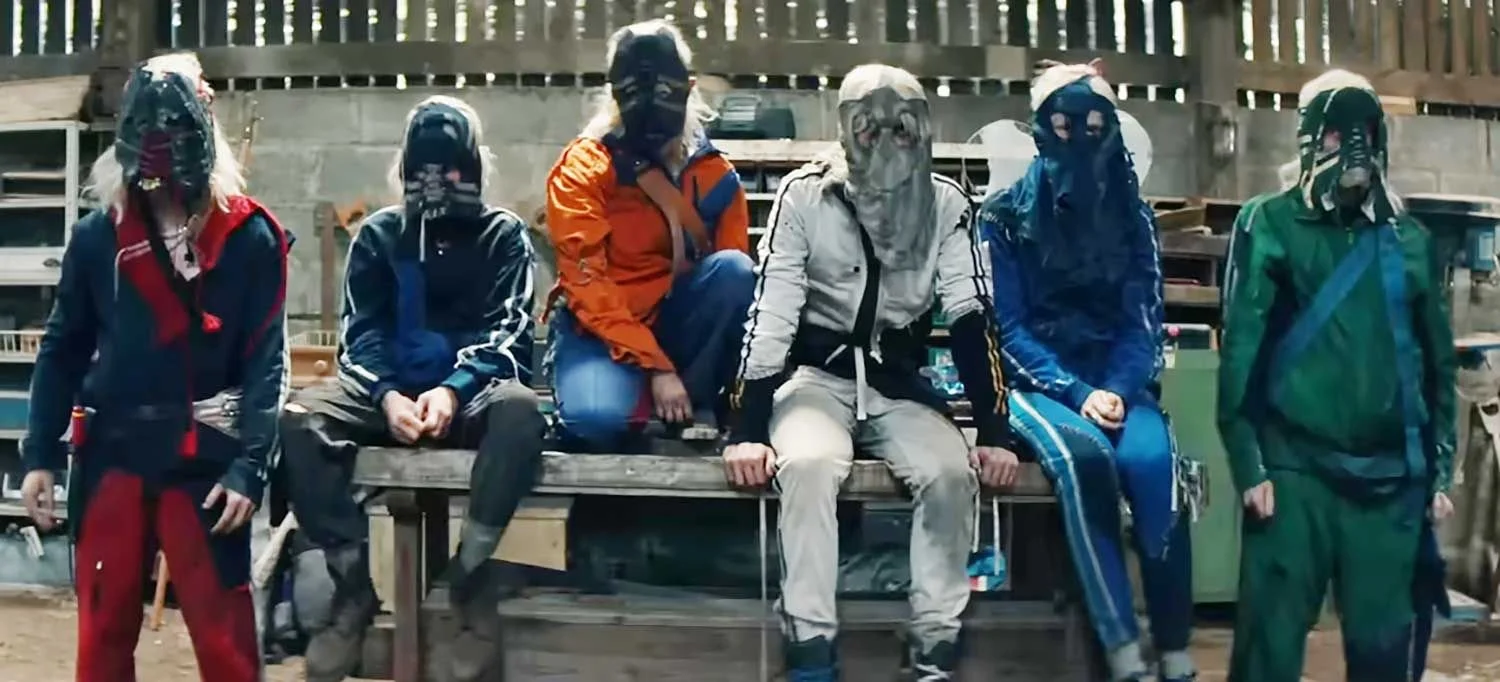
Exploring the ways society collapses, 28 Years Later: The Bone Temple reminds us that empathy is what separates us from animals. Spike’s turn as a Jimmy awakens him to the reality of what humanity looks like without guardrails. Sir Lord Jimmy Crystal and his tyrannical rule over his charges makes a case for why the UK’s unique brand of fascism has boiled over the surface. Truly ignorant to the forces around him, Sir Lord Jimmy Crystal’s own unresolved trauma is the catalyst for his cruelty driven by his fervent religious beliefs and fear of other people. Much like a fascist, his control is reliant on fear, emboldening him to create maximal harm for his own pleasure. There’s no reason for Sir Lord Jimmy Crystal and his crew to dole out ‘charity.’ While they do extract some resources from their targets, it’s never truly about the utility of their actions. It’s about perpetuating fear.
Featuring memorable characters bolstered by excellent performances, it’s easy to get lost in the sticky web of character dynamics. Alfie Williams once again plays Spike with incredible vulnerability, even if his character is relegated more to the sidelines in service of the bigger personalities. Ralph Fiennes injects much needed empathy and understanding as Dr. Ian Kelson, taking on a journey quite peculiar for the subgenre while Jack O’Connell spells danger as Sir Lord Jimmy Crystal, adding an even more sinister force within the story. The Jimmys are largely a monolith with Jimmy Ink (Erin Kellyman) as an exception to the casual cruelty of the gang. And it’s impossible to forget Chi Lewis-Parry’s iconic reprisal of Samson, adding such depth and nuance to what could have been a throwaway antagonist.
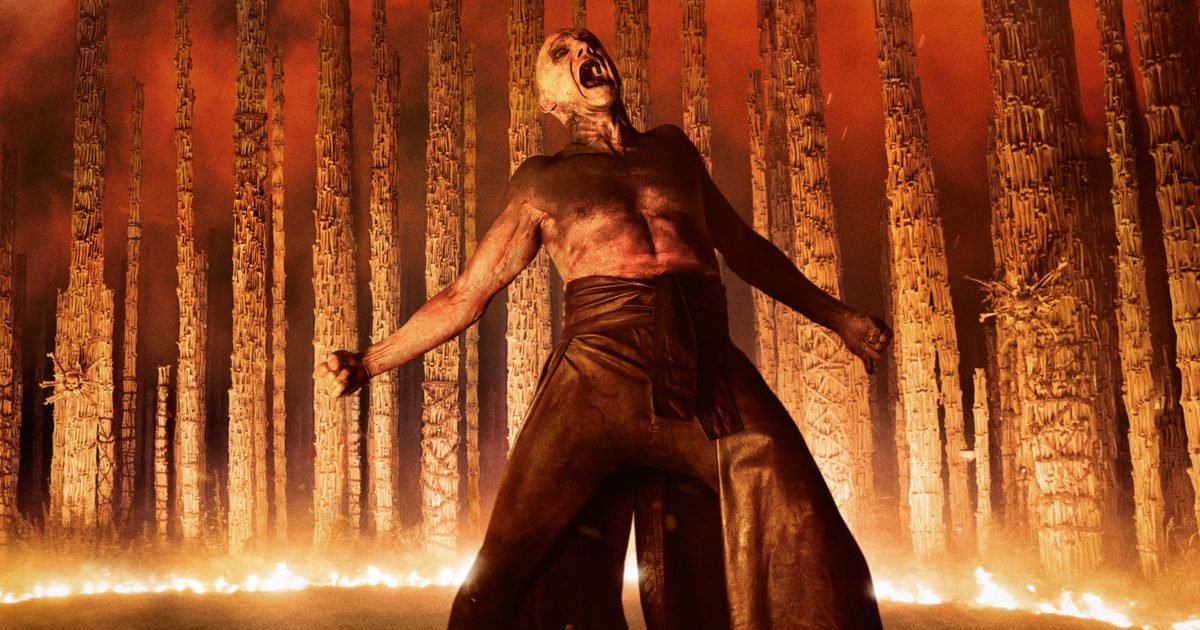
28 Years Later: The Bone Temple continues to demonstrate how much staying power this franchise has. True to the depravity all humans are capable of, DaCosta’s entry reveals uncomfortable truths about the ways in which we choose to conduct ourselves in the face of confusion, ambiguity, and great terror. Captivating audiences with memorable characters, excellent performances, and confident direction, the quiet intensity that 28 Years Later: The Bone Temple carries gives dramatic weight to the story while still being positively horrifying. There’s no need to wait days, weeks, months, or years. Catch 28 Years Later: The Bone Temple before it’s too late.
Overall Score? 8/10