This Home Invasion Horror Comedy is Kind of a Drag (SXSW)
Title: Drag
First Non-Festival Release: TBD
Director: Raviv Ullman, Greg Yagolnitzer
Writer: Raviv Ullman, Greg Yagolnitzer
Runtime: 86 Minutes
Starring: Lizzy Caplan, John Stamos, Lucy DeVito, Christine Ko
Where to Watch: Check out where to find it here
This film’s review was written after its screening at the South by Southwest Film Festival in 2026.
Two sisters (Lizzy Caplan, Lucy DeVito) decide to drive out to the middle of nowhere in hopes of pulling off another harebrained scheme. They’ve driven to the illustrious home of a man (John Stamos) that one claims to know and owes her money. Deciding that this is the only fair way to acquire the missing wages, the pair agree to rob him. Just as they are about to pull off the heist, one of the sisters suffers a horrific back injury that leaves them stuck inside the house. The two nearly escape but when the man comes home early with a guest (Christine Ko), the duo must work together to make it out alive.
Plodding and predictable, Drag is a generic horror comedy that skates by on star power.
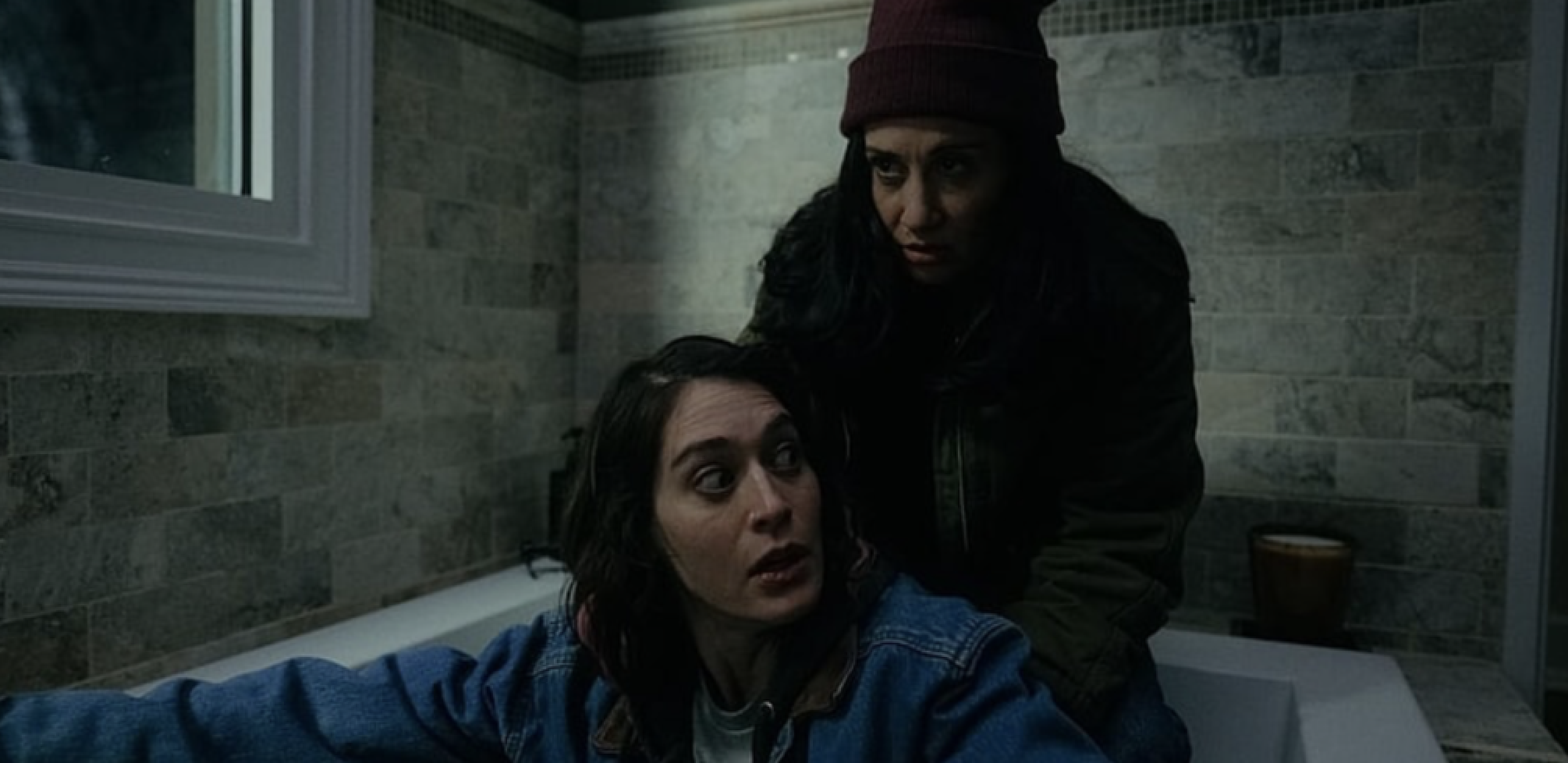
Drag is a strange little film that plays with its absurd scenario far longer than it can stretch. Kickstarting its inciting incident rather early, Drag wastes no time in isolating the two women inside the house while establishing its location. Little clues are peppered in that something is not quite right here. Everything is too polished, too neat, too tastefully eccentric. Once the antagonist is introduced, Drag works to make him threatening without sensationalizing him. There’s a grounded element to the way Drag sets up its story, which is why it feels glib when it finally gets to the horror elements.
Its flattering portrayal of its serial killer calls into question what is so funny about Drag. John Stamos oozes charm as the target before slowly revealing more of his twisted alter ego. The reversal is handled strangely. While the man is seen as a threat, the women are seen as victims with varying shades of culpability in their own demise.
Lucy DeVito’s character is viewed as stupid for wanting to help all the women in the house and impotent in every attempt she makes to escape, Lizzy Caplan’s character projects selfishness and brashness in nearly every decision she makes, and the woman who is brought there is characterized as a shallow ladder-climber. Every woman is depicted as some combination of incapable and annoying, a burden needing to be saved.

There’s nothing wrong with individually assigning these character traits to female characters, but intentionality must be observed, especially if the film in question uses date rape and a male serial killer in its storytelling. When it all plays out, what does Drag have to say about these topics? The light and airy approach to comedy feels like an odd choice with this consideration. Between its failure to construct its narrative without the tired tropes and its half-baked comedy, Drag sinks quickly.
Relying mostly on physical and situational comedy, the humor of Drag becomes so singular to its detriment. It’s true that the individual components of Drag are humorous in a silo but when combined, they don’t work well. Drag begins to, well, drag as it puts the sisters in increasingly precarious positions while trying to avoid discovery. The physical comedy wanes as soon as the man is introduced into the narrative, along with the situational humor of the sister’s dilemma. Their desperation only elicits laughs thanks to Caplan and DeVito’s intentionally over-the-top performances.
The one bright spot of Drag comes through Caplan and DeVito’s chemistry. As sisters, the pair works well despite the constant bickering. Moments of tenderness are rare while their comedic banter colors their relationship.
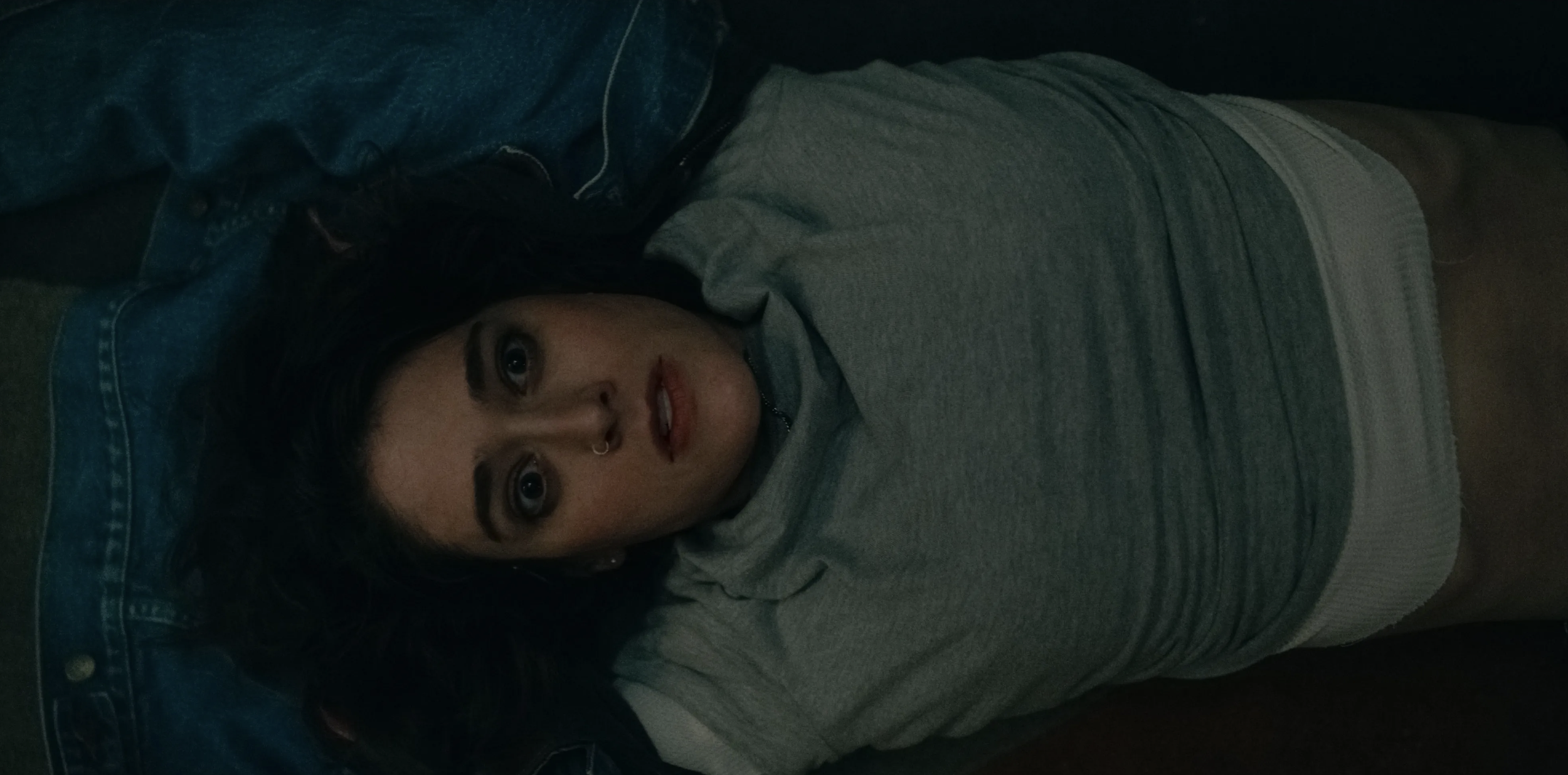
Like all horror comedies, the appeal of Drag goes as far as its humor does. For fans of its goofier approach to horror, there is plenty to celebrate: its great cast, solid production values, and even a few well-timed, hilarious jokes. Unfortunately, its plodding story and tired commitment to worn tropes brings the entire production down a few notches.
Overall Score? 5/10