Title: Big Baby
First Non-Festival Release: August 7, 2026 (Digital/Streaming Platforms)
Director: Spider One
Writer: Spider One
Runtime: 103 Minutes
Starring: Brandon Scott, Krsy Fox, Torio Van Grol
Where to Watch: Check out where to find it here
Art is work, and sometimes that work isn’t appreciated by everyone. Despite artists regularly stretching themselves to the limits, audiences have the final say in how a work is received, regardless of any original intentions. Sometimes contentious, other times celebratory, the relationship between audiences and creatives can be challenging to navigate.
Screenwriter Adam Lewis (Brandon Scott) knows this all too well. After the lukewarm reception to his latest work, Adam is stuck on how to move forward. When inspiration strikes in the form of flashing visions and hallucinations, he knows exactly what he wants to make next: ‘Big Baby’. A standard revenge slasher, Adam surrounds himself with his work to the point where it begins to spill over into his real life. When he starts seeing his imaginary killer enact horrific acts of violence that no one else can corroborate, Adam tries to work through his creative process before Big Baby gets to his girlfriend, Kate (Krsy Fox).
A messy, boring slasher, Big Baby’s ambitions reach farther than its capabilities.
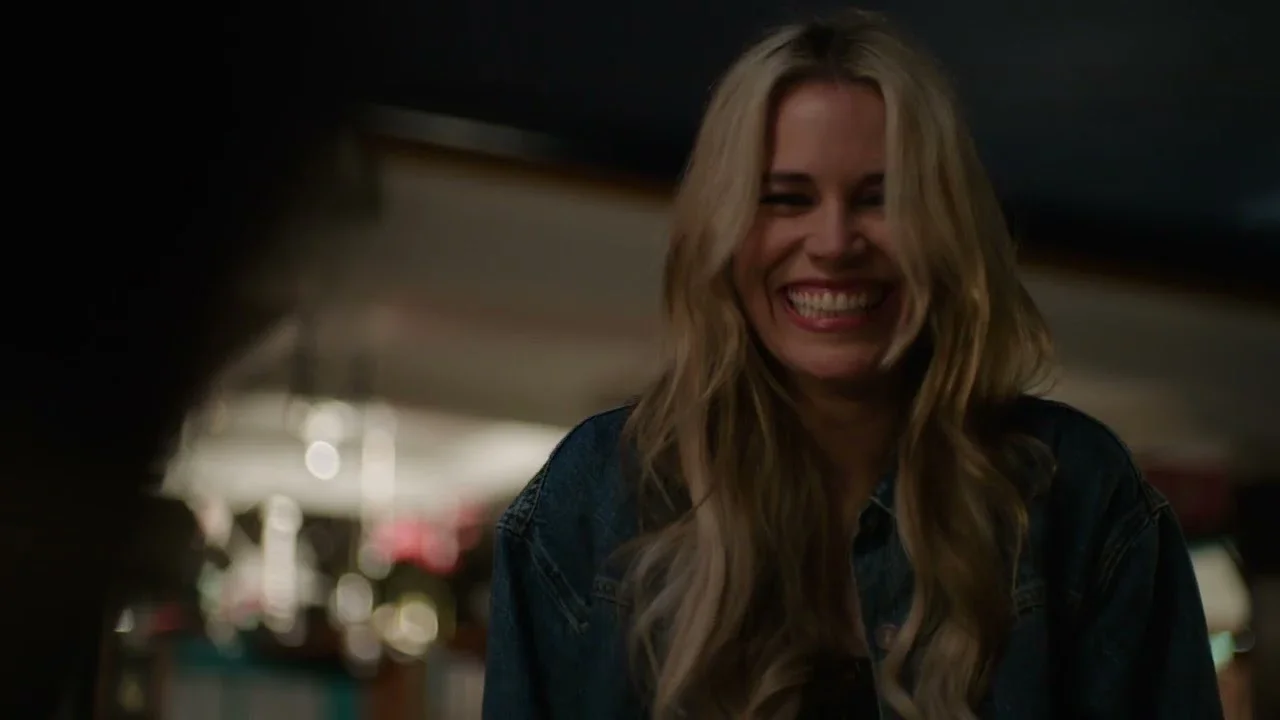
Toying with the conventions of a slasher, Big Baby opts to weave a story focused on the psychological. Brought to life from the power of his unfinished script, Adam’s conflict with those around him is at odds with the inner demons he attempts to work through. It’s clear that writer/director Spider One is using Adam as a vessel to communicate the frustrations, or informed perspective, depending on whose opinion you ascribe to, of creatives with making art that clash with the expectations of audiences and critics alike. The obviousness of the musings make it easy to sympathize with but leaves the lingering question of ‘so what’?
There’s a fantastic kernel of truth in the thesis of Big Baby but it gets drowned out by the noise of its middling attempts at slicing away at its supporting cast. The ethics of media criticism is stretched as a way to explore obsession, the creative process, and media literacy. As Adam spirals further into his fixation, he ends up alienating himself further from the people who support him. Big Baby himself becomes an extension of his fears of inadequacy threatening to lash out at the most minor critique.
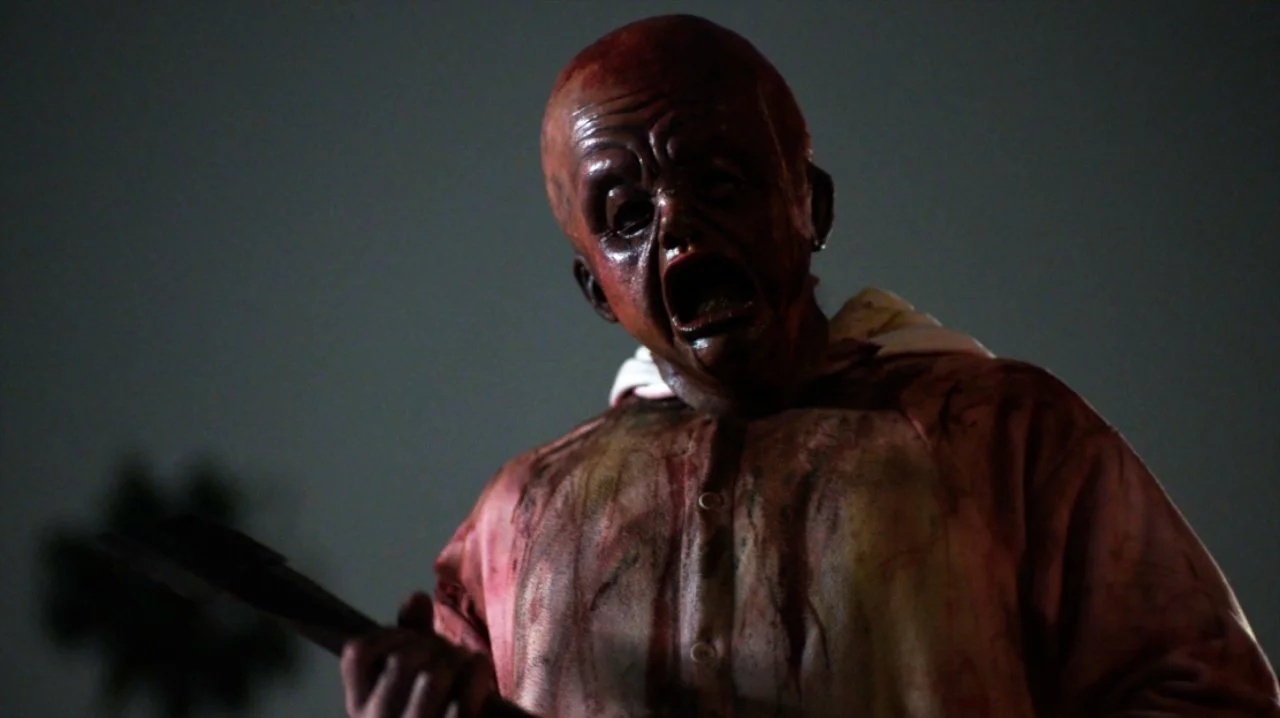
That’s where Adam’s character being so thin-skinned matters. When pushed to consider other perspectives, he sinks back into childish remarks and gotchas further insulating himself from critique that might make his work better. Spiraling through his perceived lack of support, Adam turns to violence. While it’s certainly a choice to give this arc to the only Black man in the story, the broader statements about men as a whole remain true. It’s about ego. Adam is threatened when others don’t agree with his genius or believe his impassioned promises to change. He himself is referred to as ‘Big Baby’ throughout the film, and there’s more than one way to interpret the meaning behind those comments. Is it because he is so obsessed with his own creation or is it because he hasn’t grown to accept criticism with discernment and grace?
Unfortunately, Big Baby fails to tie together its most interesting ideas. Once Adam realizes the stakes behind his new supernatural stalker, he hurries to hash and slack through a long list of dimensionless one-off characters. With no real connection to the world, it becomes difficult to care that Adam’s breakdown lines up with these imagined people’s fates. Sure, this blurring of lines is meant to depict Adam’s waning psychological state but without connective tissue to the origin of their story, they become nothing more than cannon fodder for the sake of story progression.
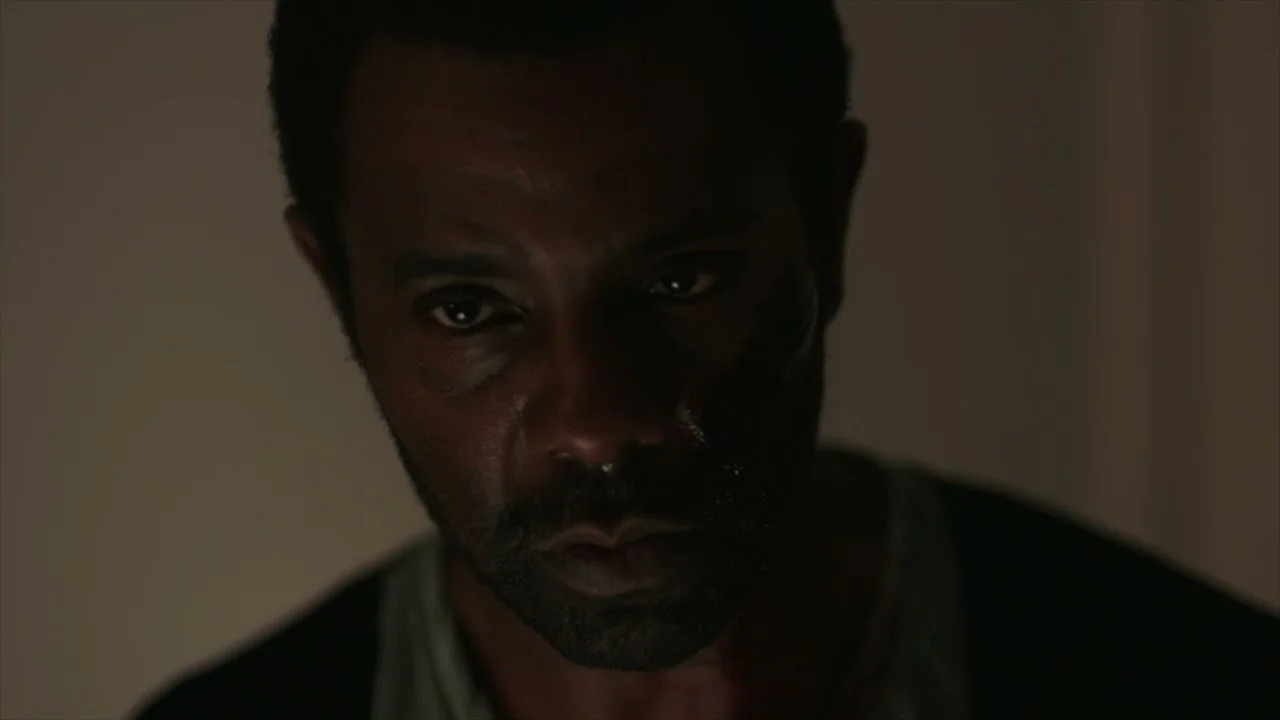
All this can be forgiven, or at least partially ignored, if the buildup to the violence worked. Big Baby ignores traditional suspense building techniques in favor of Adam’s psychological descent. What results is an unconvincing spiral from the lead and interesting, but poorly constructed death sequences. Without the necessary character development or memorable set pieces, these scares seem more exciting in theory than practice.
Muddled yet well-meaning, Big Baby is a middling slasher that tries to wrestle with ideas bigger than its actual story. Interesting thoughts about the delineation between artistic expression and narcissism are overshadowed by poorly constructed scares and over-editing. Passable performances from the leads and some decent gore save Big Baby from being unsalvageable but don’t yield much beyond this. Sometimes it’s on the audience to pay closer attention and other times it’s on the entire creative team to actually deliver.
Overall Score? 4/10