Guillermo Del Toro’s Frankenstein (2025) Embraces The Hopes and Horrors of Romanticism
Title: Frankenstein
First Non-Festival Release: October 17, 2025 (Theatrical Release)
Director: First Name Last Name
Writer: First Name Last Name
Runtime: 149 Minutes
Starring: Oscar Issac, Jacob Elordi, Christoph Waltz, Mia Goth
Where to Watch: Check out where to find it here
On June 16, 1816, Mary Shelley experienced a waking nightmare fueled by a competition between her, her husband, and Lord Byron to write a ghost story. Visions of a re-animated corpse haunted her and inspired her to write ‘Frankenstein.’ This decision would give birth to the genre of science fiction while redefining the horror genre long before the silver screen came to be.
Borne from his desire to best his harsh father, the disgraced yet brilliant Dr. Victor Frankenstein (Oscar Isaac) seeks to conquer death. Exiled from academia, Dr. Frankenstein must rely on benefactor Henrich Harlander (Christoph Waltz) to fund his latest experiment, one in which he plans to resurrect a man from the dead. As he handles the logistics, he re-connects with his younger brother William (Felix Kammerer) and his brilliant and caring fiancée Elizabeth (Mia Goth). Just when he is about to lose hope that his experiments are for nothing, success comes and thus Frankenstein’s Creature (Jacob Elordi) is born. Unfortunately, the good doctor doesn’t know how to treat his new creation, which leads to the Creature building up a deadly resentment.
A positively electric adaptation of the groundbreaking novel, Frankenstein is a beautiful and powerful meditation on what it means to be human in a hostile world.
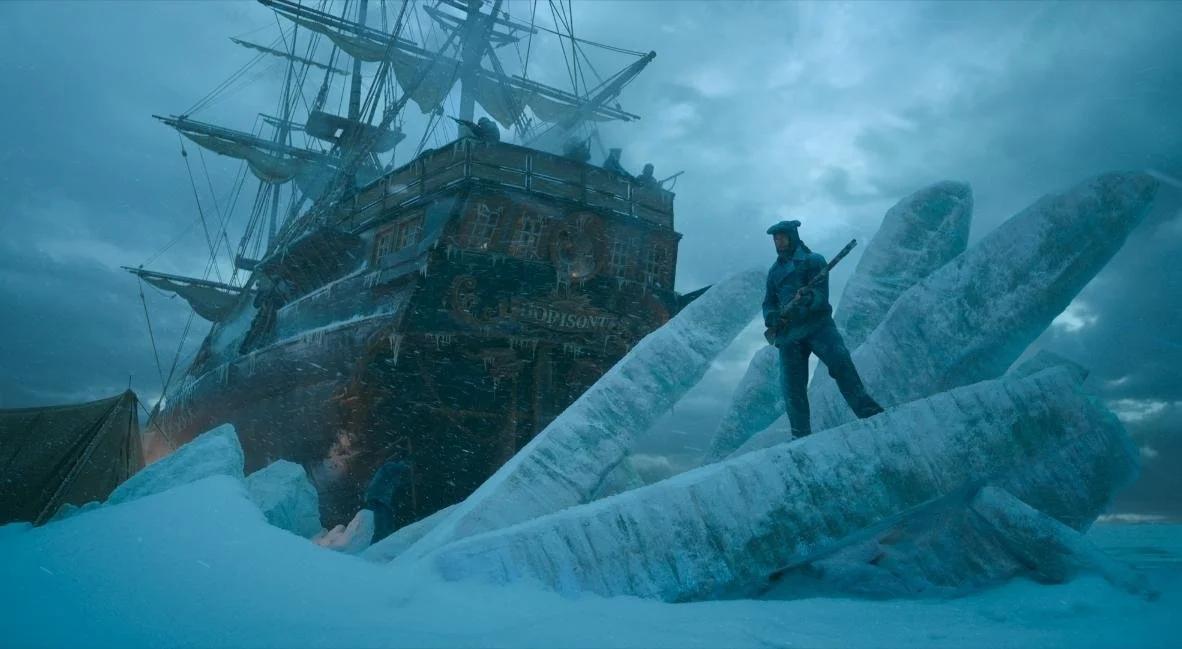
With so many considerations of avenues to take, Frankenstein opts for a more traditional re-telling of the classic. Transporting audiences back to the 1800s, Frankenstein wastes no time in introducing audiences to the younger version of its protagonist. Shaped by his parents, Victor’s mania begins early and only solidifies itself sooner. Losing both of his parents to illness and his childhood to his studies, Victor’s character is defined early by his frustration with academia and sorrow for his mother’s passing. These two pivotal moments set the stage for how Victor merges his needs together, much like his experimental amalgamation of body parts, prefacing a destiny that will give him everything he wants but nothing he needs.
Like Victor Frankenstein, does God hate his creations too? One of the many threads weaving through Frankenstein is the power and responsibility of creation. Much like that of a parent, Frankenstein posits that absenteeism and resentment is more to do with our children’s, particularly young boys, unreadiness for the world. And it’s the men blazing right past this nuance that brings the larger points into view.
Barreling through life without regards for those around him, Victor prioritizes perfection over practicality, neglect over nurture, and legacy over love. Just like his dad. Until we put an end to these cycles of neglect, the rage will remain unquelled.
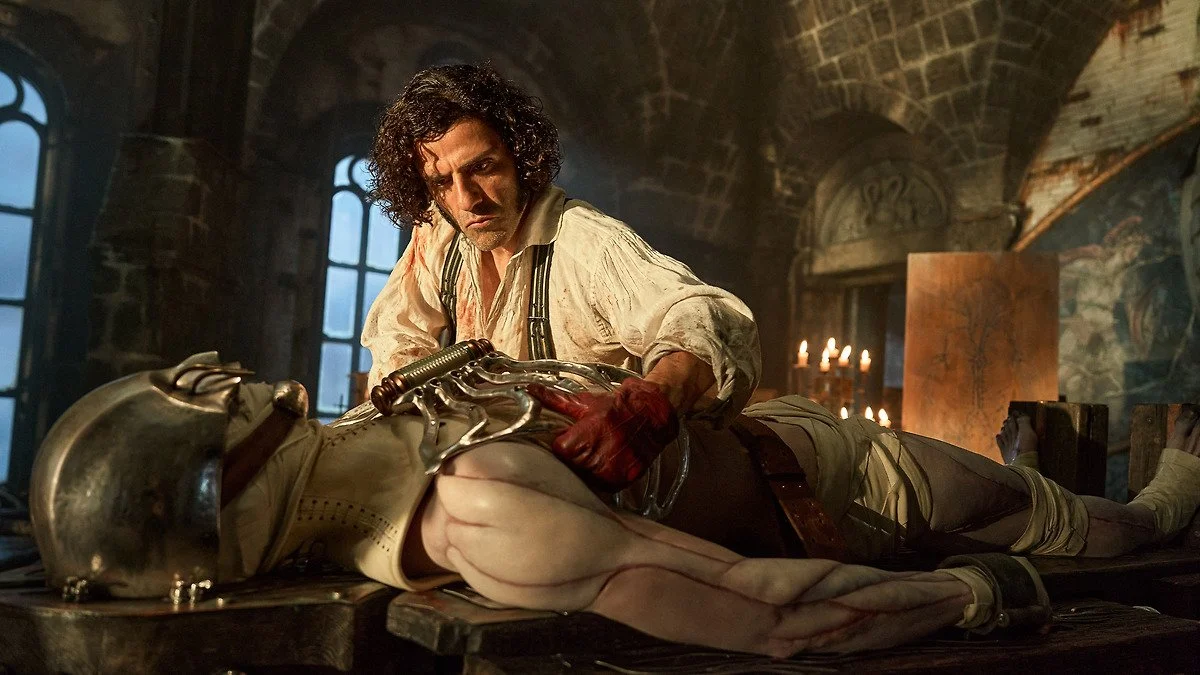
A scathing critique on the “male loneliness epidemic”, this iteration of ‘Frankenstein’ explores the ways in which the thirst for male legacy leaves men more bitter, crazy, and alone than ever. Juxtaposed on how they interact with others, Victor and the creature diverge in their hearts. Victor seeks control, glory, and validation; his goal in life is to prove that he is better than his father, who imprinted a whole host of irreversible daddy issues onto him. This causes him to push his loved ones away, spiral into obsession regarding his work, and then admit to creating something he believes is pure evil. The Creature, however, navigates the world through curiosity and passion. All he desires is companionship, content to spend the rest of his life in exile if only he can share that with someone else. While both are flawed, both boasting moments of greatness, this difference both supports the original iteration’s critique on power, ambition, and hubris, the added layer of paralleling one of the worst social movements of the 21st century makes Frankenstein even more important.
Del Toro assembles an all-star cast that brings the fantasy and whimsy of this world to life. Oscar Isaac stars as the self-absorbed and relentless Victor Frankenstein. Isaac brings a level of cockiness to the role that makes Victor’s inevitable fall even more satisfying. It’s in the sweeter moments, however rare, that Isaac adds depth to the doctor, often fully maligned, making him feel like a fuller, more real person. The Creature comes to life through Jacob Elordi’s riveting take on the legend. Elordi’s soft doe eyes contrast against a massive, scar-marked frame, allowing him to physically menace while maintaining the softness that is core to the Creature’s character. He plays the Creature with care, allowing his fury to burn as bright as his wonder and lust for life. Elordi’s Creature feels more hopeful than past iterations, which feels right given the film’s focus on his anguish post-Victor. Beyond these two, Del Toro recruits the effervescent Mia Goth, a messy Christoph Waltz, and the grounded Felix Kammerer, all delivering excellent performances.
In true Del Toro fashion, everything about Frankenstein is beautiful and as historically intentional as it can be. With gothic horror as his signature sub-genre, Del Toro emphasizes pure romanticism in Frankenstein over moodiness. Sure, there’s beautiful castles, ballgowns, and other works of art present but it’s the feeling associated with the 18th century literary movement that takes center stage here.
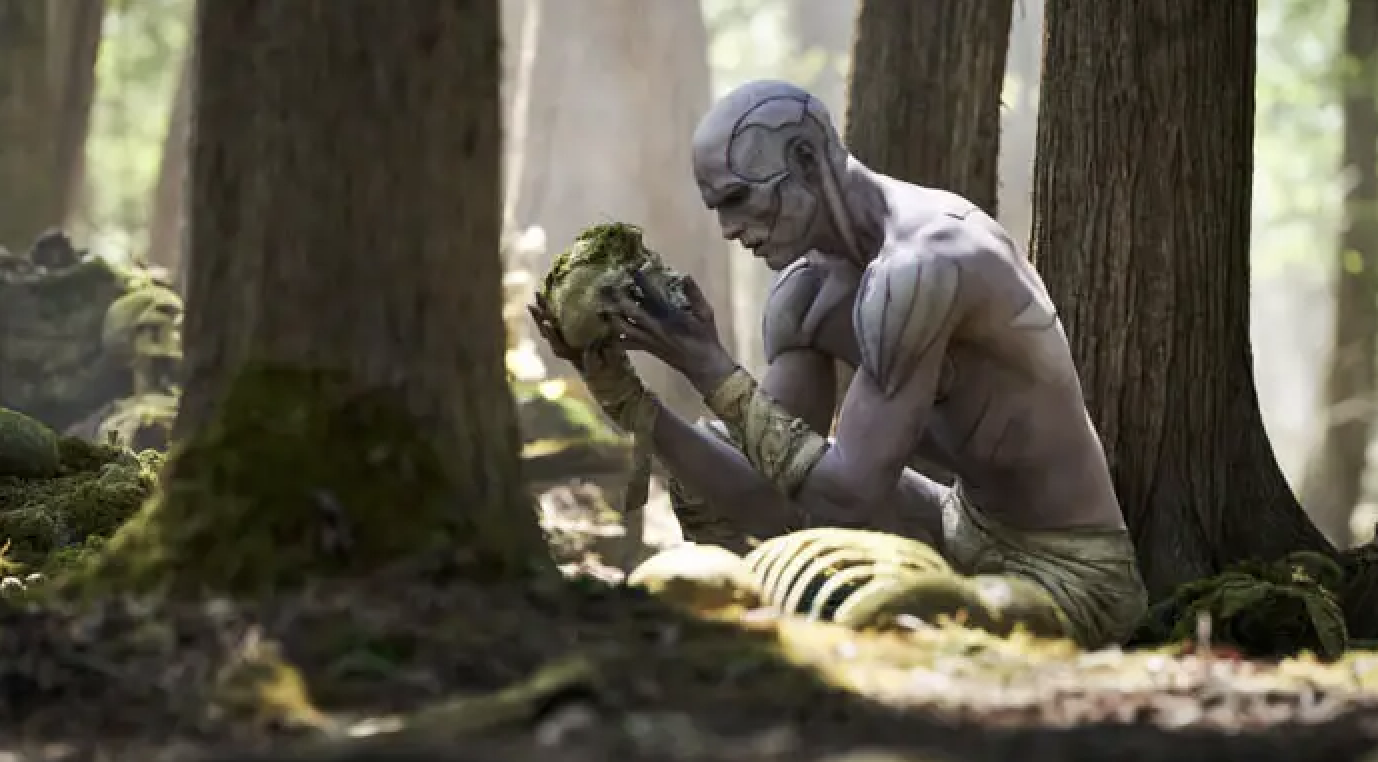
Like a symphony piercing through the harsh winter cold, Frankenstein is the warm embrace of big budget fantasy horror that audiences have been craving for years. Oscar Isaac and Jacob Elordi deliver masterclass performances alongside the massive cast, making the iconic characters their own. Del Toro continues to delight in making his specific brand of sweeping gothic horror fantasies bringing a strong, soaring vision to his version of Frankenstein. In the end, when creatives are given the control to create, beautiful things happen. We can celebrate Frankenstein for this alone.
Overall Score? 8/10