Mixed Format Haunter Shelby Oaks (2025) Serves Up Serviceable Supernatural Scares
Title: Shelby Oaks
First Non-Festival Release: October 2, 2025 (Theatrical Release)
Director: Chris Stuckmann
Writer: Sam Liz, Chris Stuckmann
Runtime: 91 Minutes
Starring: Camille Sullivan, Sarah Durn, Mason Heidger
Where to Watch: Check out where to find it here
How does one quantify the impact of evil? Is it in the words or actions of an individual or is it borne from the slithering underbelly of rot left behind by individuals? When evil takes shape, it leaves a mark, not only where it physically makes contact but in the hearts of those affected.
Almost two decades after her sister Riley (Sara Durn) vanished, Mia (Camille Sullivan) has not given up the search for answers. When a mysterious stranger (Charlie Talbert) arrives at her home to promptly die by suicide, Mia discovers a tape that reveals more of Riley’s final moments. Invigorated with a new possibility that Riley might be alive, Mia gets to searching. As she peels away the mystery, the truth to what happened to Riley will reveal far more earth-shattering revelations than Mia is prepared to uncover.
Serviceable mixed found footage mystery Shelby Oaks is an uneven but mostly solid debut.
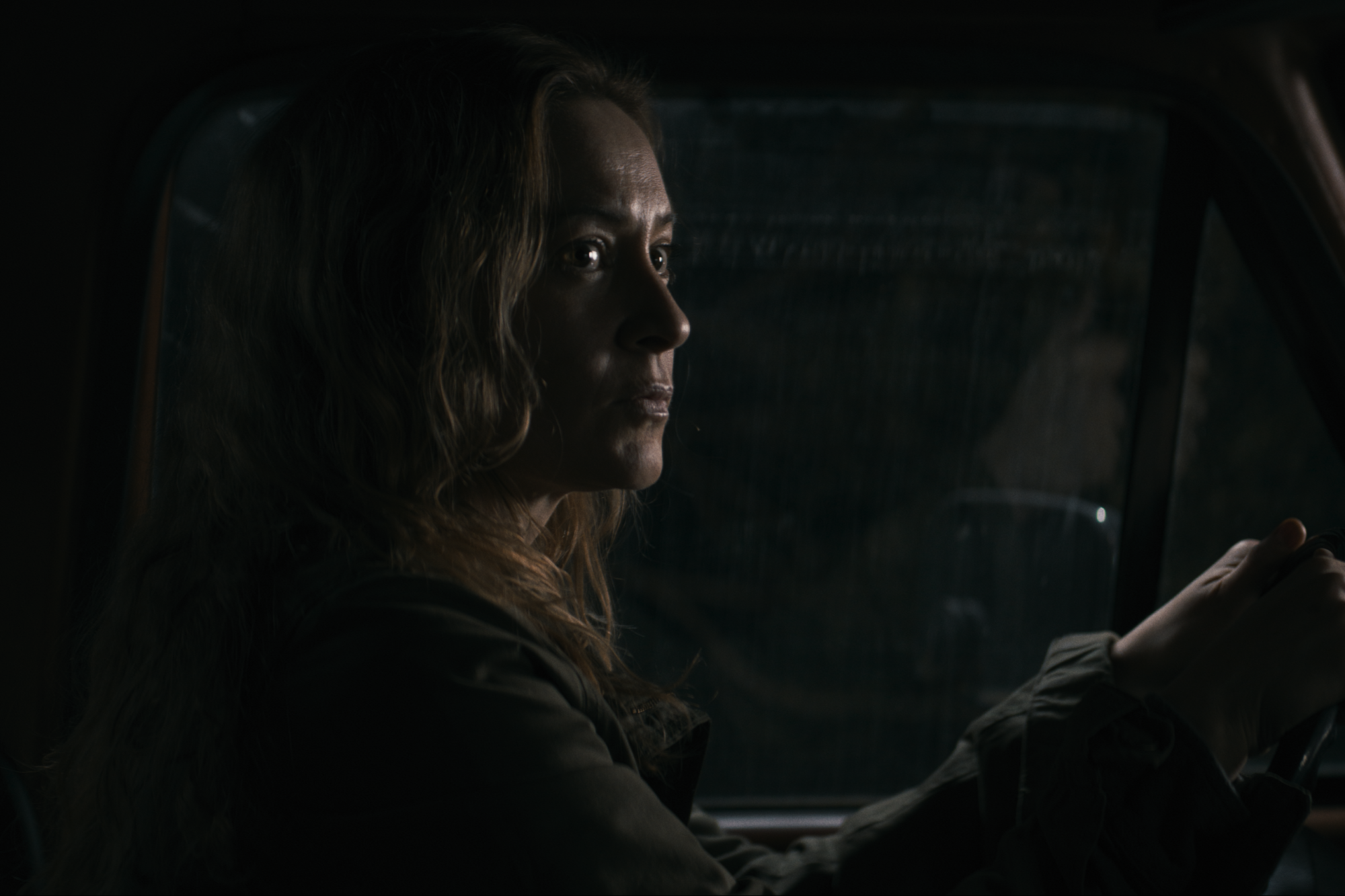
Using a variety of mockumentary, found footage, and traditional filming styles, Shelby Oaks expands the mystery behind its supernatural terror even if the implementation is clunky. Leaning into the true crime trends of the last decade, Shelby Oaks milks the concept of a ghost town conspiracy wrapped up in a missing person story in the exact manner one would expect prowling through Youtube. It’s topical and allows for creativity to shine through in moments where it could otherwise lull. The issue lies with Shelby Oaks transitioning between these mediums. With too many point of view switches and a tendency to repeat imagery, Shelby Oaks gets tiresome in its whiplash. The transitions may not be the smoothest but Shelby Oaks attempt at a different approach to crafting its mystery is a step in the right direction for the subgenre.
Set against the backdrop of rust belt decay, Shelby Oaks squeezes every ounce of atmospheric tension while using the rot as a parallel for the way small towns like Shelby Oaks are forgotten. Hidden amongst the graffiti laced buildings and broken-down amusement park rides is the distinct degraded style unique to Shelby Oaks. Working not only as an eye-catching design choice, the littered ruins of a once proud town set the stage for a more existential horror that glides through the narrative of Shelby Oaks.
Offering as many clues to Mia’s heartbreak as it offers roadblocks, the set design effectively brings the small town to life even in its death. It’s easy to point to the once proud shops and schools that line Shelby Oaks but the reality hits deeper. Abandoned because of a creeping rot no one understands, the town of Shelby Oaks serves as a direct metaphor for the ways small, blue-collar towns have been strangled over the years as the economy changes to accommodate new normals. As every bit as important as its characters, the decaying remains of the rust belt haunt just as much as the supernatural.
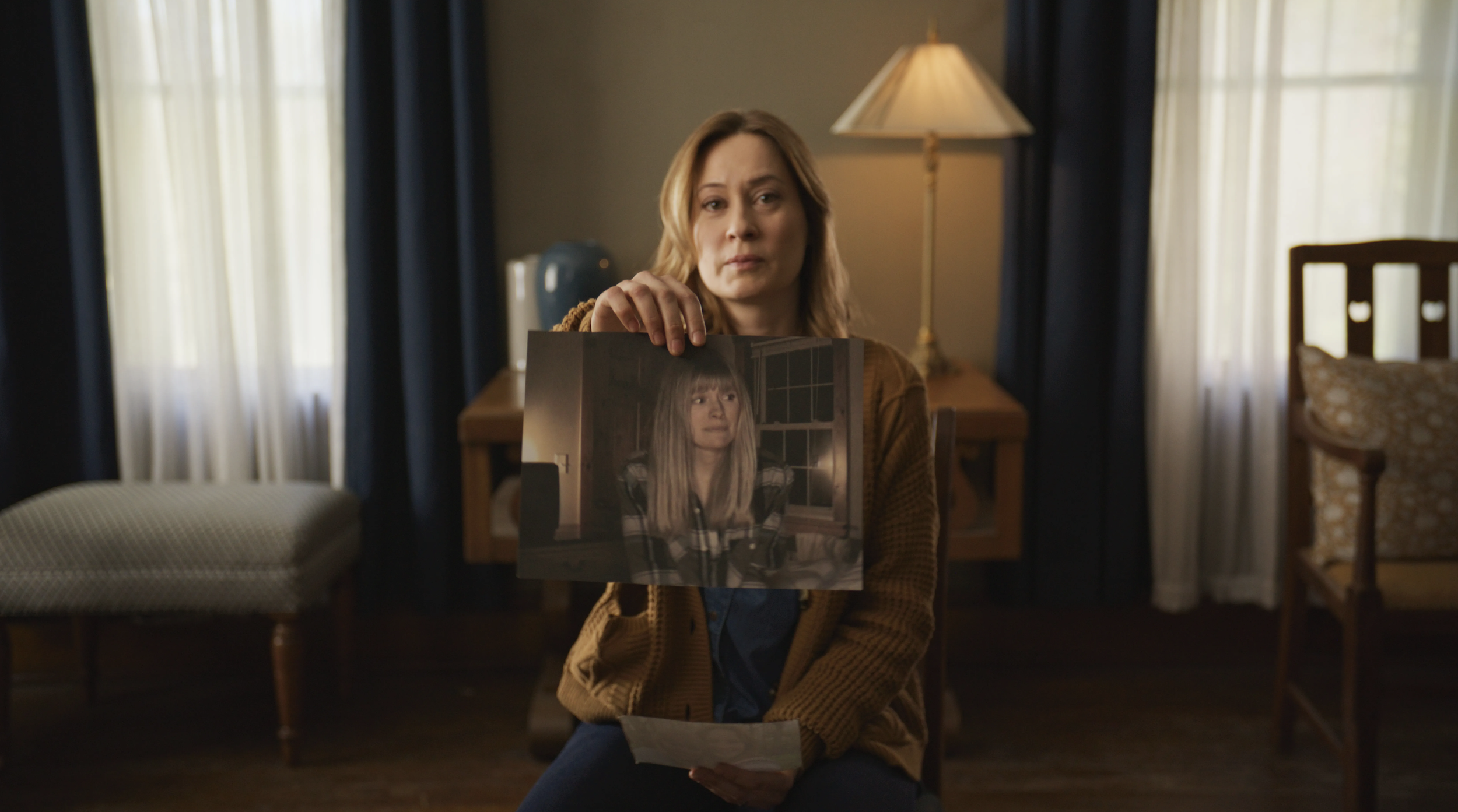
Unfortunately, some serious plot decisions make it hard to champion Shelby Oaks for the creepy small-town horror it delivers. By the time it reaches its final act, Shelby Oaks has built plenty of good will through its methodical take on small town horror. One twist sucks all the wind out of its sails, both physically and narratively. The familiarity isn’t the problem, it’s more so the approach. Riley’s story quickly becomes something all too real without properly giving it the gravity that it needs. Pairing everything together on top of the ending makes for a disappointingly hollow experience. Women’s trauma and experiences shape horror in so many inextricable ways, which makes it more frustrating when a movie makes such boring, worn decisions with its female characters.
Smaller issues build up adding to the weight of the albatross around the neck of Shelby Oaks, thus diminishing the overall impact. Asking its audience to take on some very big leaps, Shelby Oaks unfurls thanks to reveals that don’t quite add up when faced with scrutiny. Iffy special effects make some of the creature elements of Shelby Oaks fall flat, especially when the camera lingers. Camille Sullivan’s performance is overshadowed at times by her peers who all seem to be in different movies displaying varying levels of silliness effectively blunting the horror. None of these issues are earth shattering but they do add up. Death by a thousand cuts may not hurt at first but the sting can reverberate.
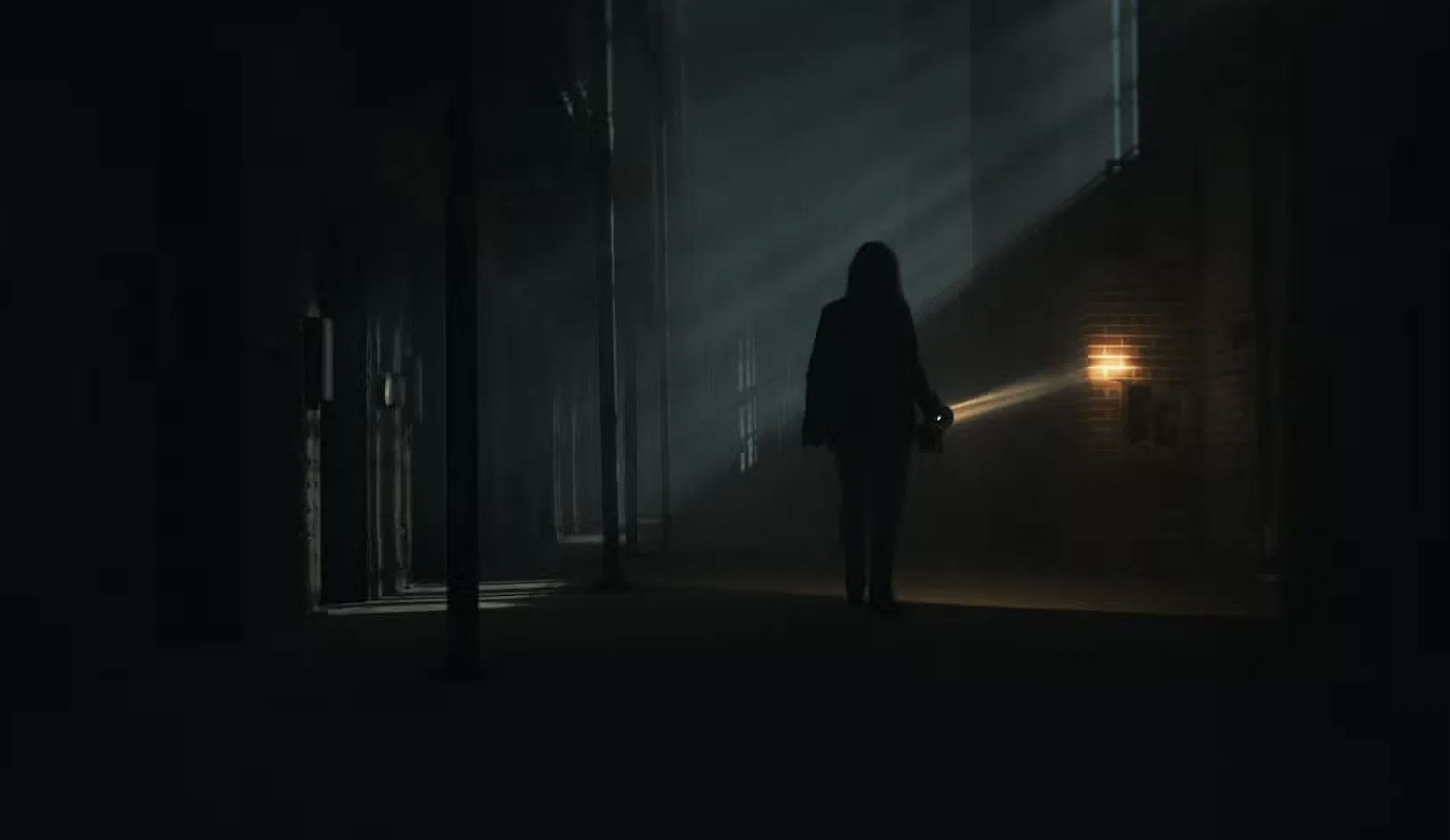
A haunting debut with apparent flaws, Shelby Oaks demonstrates director Chris Stuckmann’s aptitude for atmosphere and pacing. Transforming rural Ohio from the unassuming into the unsettling, Shelby Oaks has fun with building its demonically influenced world. Its creative mixed use of story framing, strong leading performance, and commitment to extolling the quiet horrors of rural rust belt living make Neon’s latest release one to seek out. Still, there is a frustrating excess of familiarity and boring choices made that blunt the overall story. Creepy, well-crafted, if a little safe, Shelby Oaks is a solid haunter that taps into nostalgia of a simpler time in genre filmmaking.
Overall Score? 6/10