Harrowing Historical Horrors are Uncovered in Haunting Supernatural Tale Rock Springs (SXSW)
Title: Rock Springs
First Non-Festival Release: TBD
Director: Vera Miao
Writer: Vera Miao
Runtime: 96 Minutes
Starring: Kelly Marie Tran, Fiona Fu, Aria Kim, Benedict Wong, Jimmy O. Yang
Where to Watch: Check out where to find it here
This film’s review was written after its screening at the South by Southwest Film Festival in 2026.
On September 2nd, 1885, a vicious mob of racist white miners killed 28 Chinese miners, wounded 15 more, and destroyed every home in the town of Rock Springs’ Chinatown in Wyoming. In the end, no charges were filed and damages to the miners were paid out totaling nearly $150,000. The horrors of this act of evil were not properly paid for, so where does that leave those that were affected?
After the death of her husband, accomplished cellist Emily (Kelly Marie Tran) moves to the town of Rock Springs for a job as a community college instructor. Both her judgmental mother-in-law Nai Nai (Fiona Fu) and selectively mute daughter Gracie (Aria Kim) are unhappy with the decision but powerless to change anything about it. Unbeknownst to the family, a horrific tragedy took place decades before their move, one where Asian coal miners were slaughtered by racist locals. Ever since, the town has been haunted by the memory of their culpability.
Emotionally resonant and atmospheric, Rock Springs is an important film that brings light to real horrors.
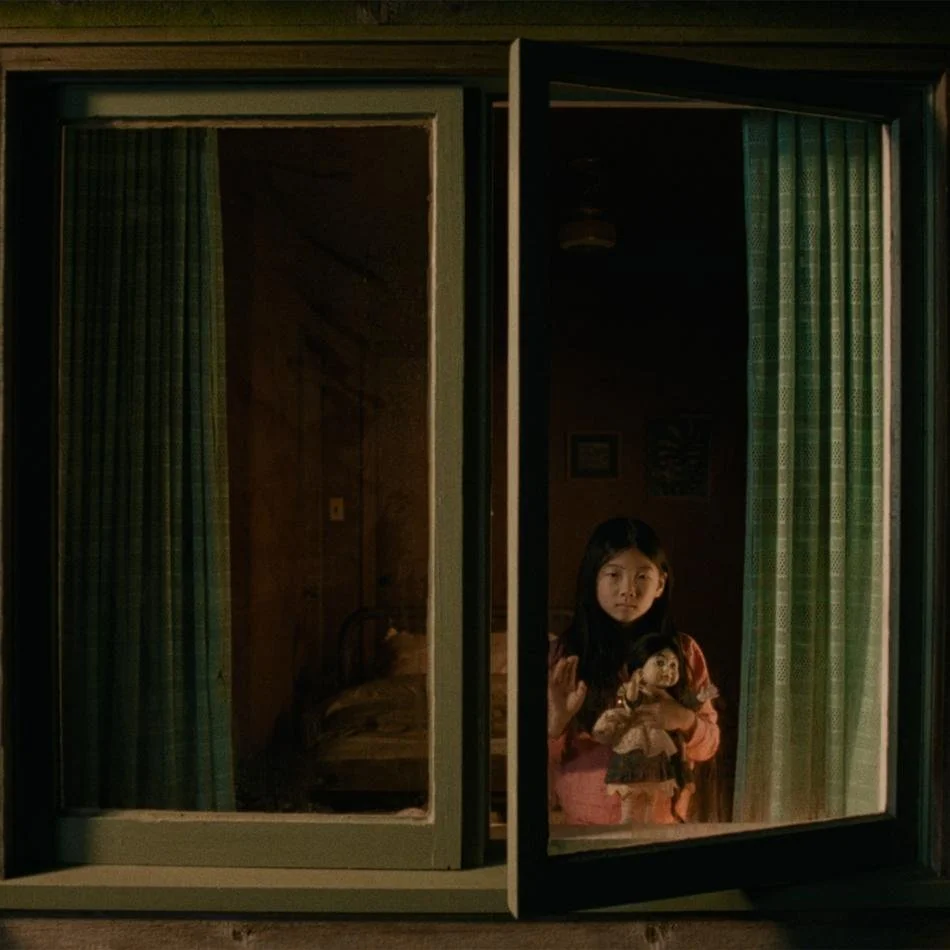
The unspeakable weight of nearly forgotten trauma and tragedy breaks free in a haunting whirlwind overlapping with the family’s own heartache. Rock Springs’ two storylines intertwine beautifully to dive into the ways that racism has colored the experiences of Asians and Asian Americans in the United States. Using the lurking threat of a monster in the woods to tell this tale, Rock Springs anthropomorphizes the real horror of its story, xenophobia and racism, to show the ways in which Asian-ness is punished.
When we meet Emily, she represents the understandable but misguided urge to assimilate. Disconnected from her culture, and that of her husband’s family’s, and eager to put past struggles behind her, Emily believes in what she can see. Her worldview begins being challenged as the odious secrets of Rock Springs reveal themselves to her. This character arc becomes the driving force of the film. As the audience learns more about the terror that unfolded in Rock Springs, her ability to tune out the racism bubbling over in the town wears thin. It doesn’t quite connect to her family’s woes or her personal journey with grief, but it serves as a decent way to set off the chain of events.
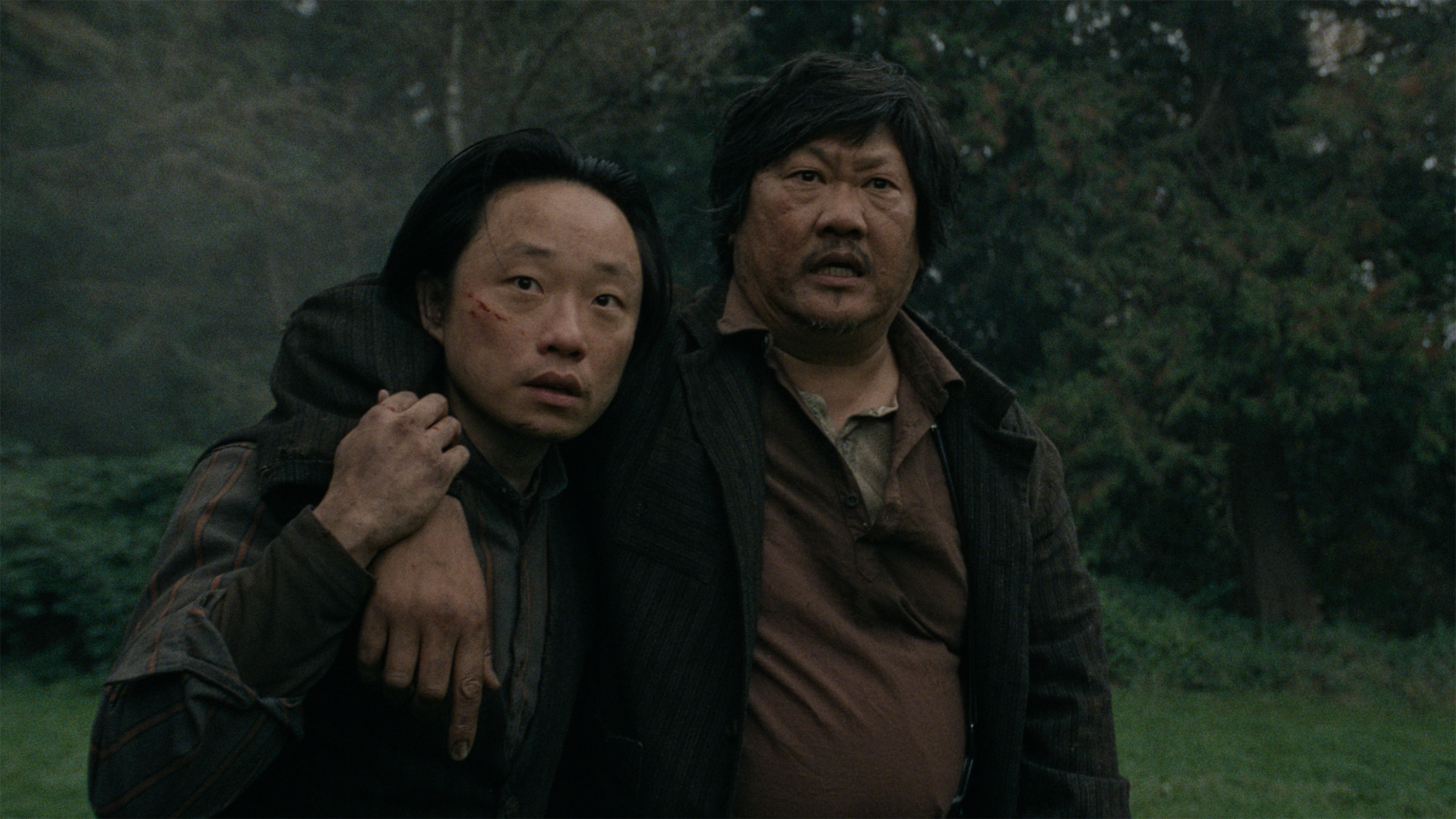
While some liberties are taken in terms of setting, the second act of Rock Springs harkens back to the terrifying reality faced by Chinese miners back when the massacre happened. Equally harrowing as it is informative of the horrors mirrored in its present-day story, the slaughter sequence works beyond serving as a reference point for real-life terror. Benedict Wong and Jimmy O. Yang do great work in making their breathless escape attempt tense and heart-breaking. By humanizing the victims of the massacre, Rock Springs forces viewers to focus their empathy on those who deserve it most.
Unapologetic in its refusal to coddle, Rock Springs doesn’t spend time focusing on white guilt. Instead, the character of Donna Washington (Tanja Dixon-Warren) is used to give context for the horrors facing Emily and her family while reflecting the realities of modern-day people excusing away atrocities of the past. There’s an undercurrent of hope in the ways Rock Springs interrogates the sins of yesterday.
The creature of Rock Springs is quite literally built from the broken bones and flesh of racial trauma. For horror fans tired of metaphors for grief and trauma, there may be an over reliance here, but Rock Springs earns its ties for the basic fact that the massacre is unfairly forgotten outside of those affected and dedicated historians. Nonetheless, the creature is memorable in both design and function, making for some shocking scenes throughout its third act. The horrors constructed in Rock Springs may not be novel, but it fits perfectly within its story and is executed with precision.
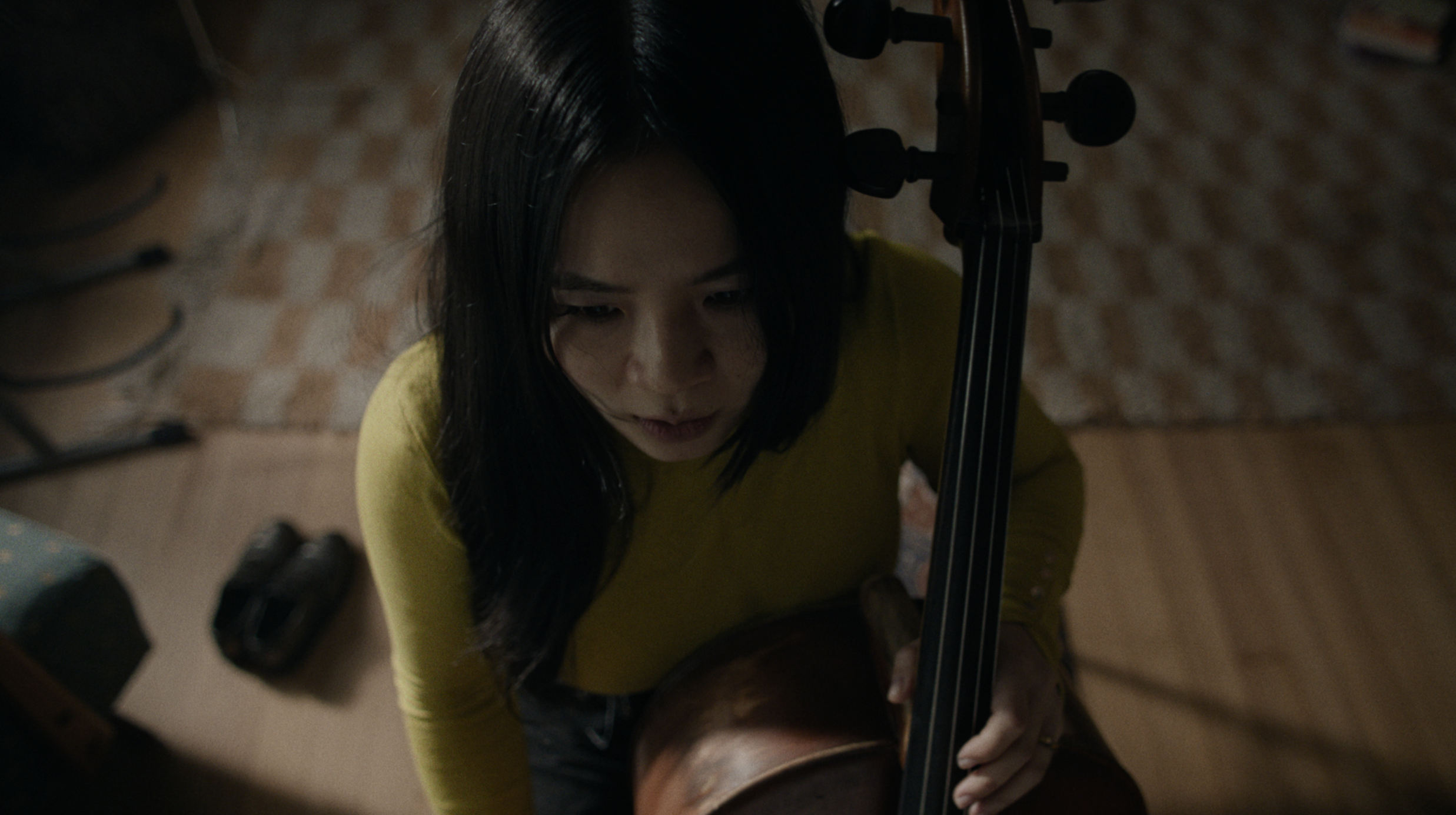
It may not be doing anything new, but Rock Springs is a competent, atmospheric ghost story that spotlights a perspective in horror we rarely see. A unique creature, its solid leading performances, and horrific real-life horror to mine from makes writer/director Vera Miao’s debut feature film one impossible to ignore. Milage may vary, especially if you are burnt out on horror based on grief or trauma, but Rock Springs remains a thoroughly engaging, haunting supernatural thriller.
Overall Score? 7/10