Title: Upiro
First Non-Festival Release: November 27, 2026 (Theatrical Release)
Director: Óscar Martín
Writer: Elena Muñoz
Runtime: 106 Minutes
Starring: Pauline Brisy, Victoria Cerrada, Diego Anido
Where to Watch: Check out where to find it here
This film’s review was written after its screening at the Fantastic Film Festival in 2026.
In 1755, Ana (Pauline Brisy) is sent to a monastery by her wealthy parents. Ashamed of her lack of commitment to the puritanical rules thrust upon her by high society and religion, Ana is forced to abide by the order now. She finds some camaraderie in Sister Remedios (Victoria Cerrada) who uses her station to devote her life to studying, thanks to the monastery’s vast collection of works. Life is rough and Ana’s inability to take to her new reality leads to plenty of punishment. Nothing is more terrifying than the haunting specter that lurks within the halls, sinking its fangs into the unsuspecting sisters, Ana included. When Ana falls ill, her behavior grows more erratic leading to further punishment while her body begins shutting down from the abuse.
Upiro is a chilling but underbaked vampiric, gothic horror film from Spain.
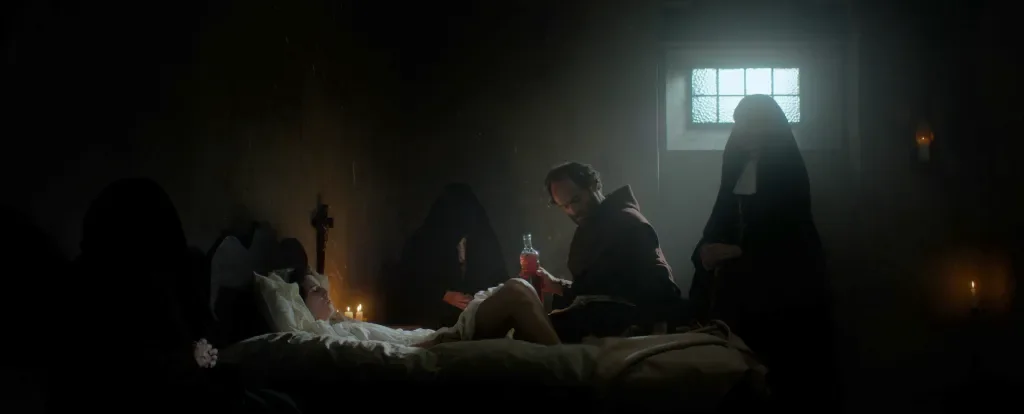
Using vampirism to unveil the abuses of organized religion, specifically the Catholic Church, Upiro shows just how much women suffer from the lack of agency afforded to them under religious rule. Themes of redemption and the responsibility of power are so often intertwined with female suffering and silence. Upiro demonstrates how dangerous unchecked religious abuse can manifest in the very types of sins all people can agree must be eradicated. Using the vampiric bite as a metaphor for assault, Ana’s forced birth and incarceration is an uncomfortably timely parallel to modern times where women are still fighting for bodily autonomy across the globe. Religion is often used to suppress women’s own desires and punishes them for what men do to them.
Ana’s vampire baby becomes a source of danger to her while evoking feelings of shame and disgust from the monastery. The very people she must rely on for help want nothing more than for the problems to retreat into darkness and for Ana to internalize their lessons of moral purity. But why should Ana pay for the crimes of the creature that did this to her? And why is the church less interested in punishing the forces that put her in this position?
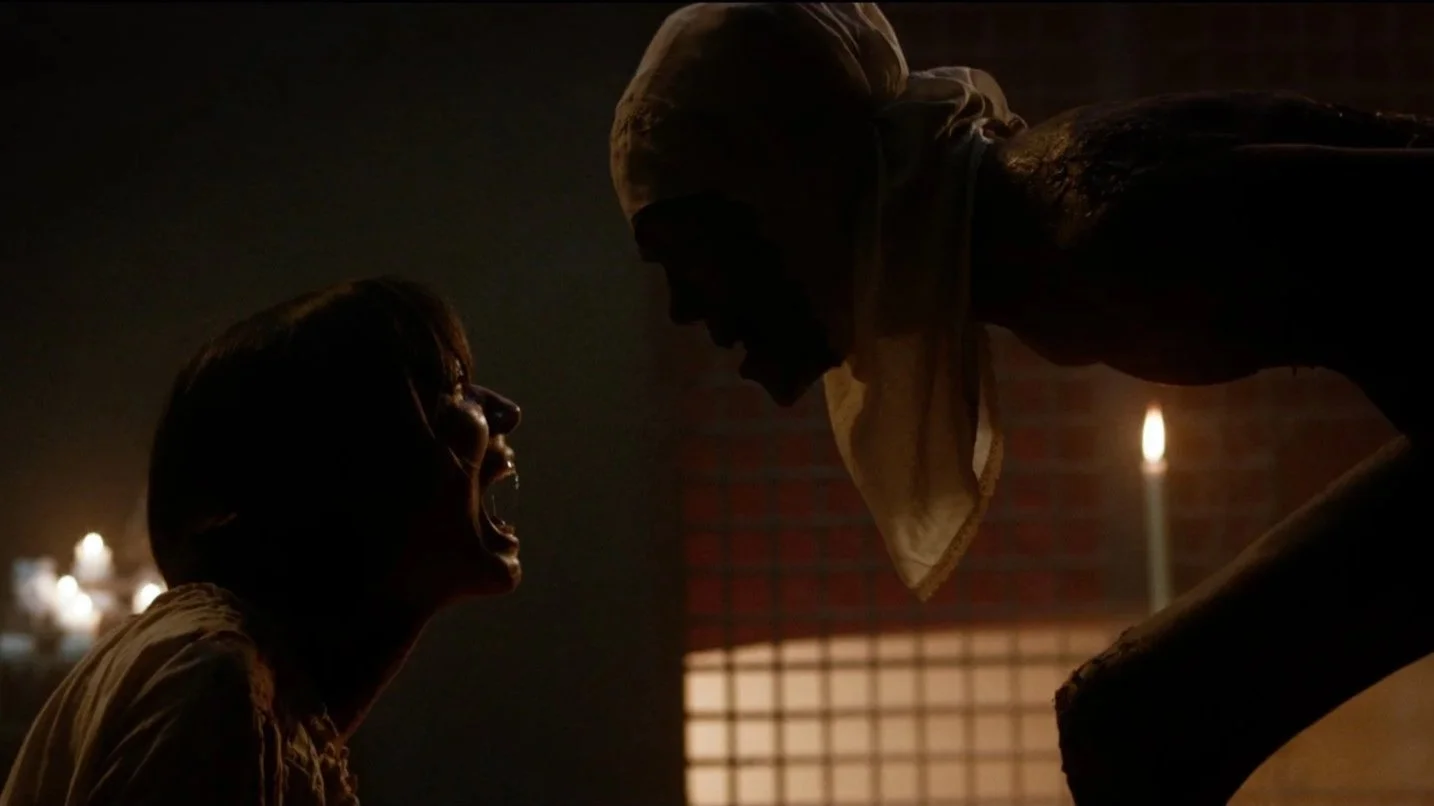
Upiro employs these themes so convincingly by keeping the characters grounded and interesting. Much of the mystery depends on Ana’s character arc. Not intentionally wanting to be a problem, Ana’s questioning of the rules set before her earns more ire than actual violations and sin. Upiro shows how a headstrong woman presents more trouble than society is willing to withstand. Her character, while messy, and at times, irresponsible is entirely sympathetic to her thirst for freedom and self-expression.
It’s an interesting contrast to Remedios. Solely interested in academics, she also doesn’t fit society’s mold but does so in a more socially acceptable manner. Toeing the line and flying under the radar, her refusal to push back against conventions like Ana keeps her safe and allows her indulgences to go unnoticed. When Ana’s life is in jeopardy, Remedios does what others refuse to do: stand up for the troubled, opinionated woman. Her resolve for answers typically reserved for academic pursuits is utilized for justice. Furthering Upiro’s thesis, Remedios’s character arc makes a compelling case for the benefits of female solidarity and a greater sense of questioning archaic mindsets and beliefs. Their relationship and respective arcs work so well thanks to Pauline Brisy and Victoria Cerrada’s great performances.
The story of Upiro comes to life thanks to its setting and grounded approach to horror. Using every inch of the dark castle to its advantage, Upiro delivers some seriously delicious gothic set design that enhances the creep factor that is largely missing from its scares. Using the bright greenery outside the hallowed walls as a contrast to the dingy and depressing hallways, Upiro shows the darkness that many refuse to acknowledge within religious circles. While Upiro may take this too far leading to some truly obscured moments, it largely works to its advantage.
Unfortunately, Upiro does suffer from pacing and story issues that are hard to justify. Its pacing keeps the story from going off the rails too early but feels punishing at times. Much of this comes from its ambiguous antagonist. Upiro has trouble focusing on just one force. Be it the creature itself, the various religious figures that glide in and out of Ana’s care and condemnation, and the conflict brewing outside, there is too much going on at once for it to be effective. What’s more, Upiro tends to pull back from the horror. Much of the story relies on offscreen violence to keep the mystery brewing and paint Ana’s character as unreliable at the expense of its horror elements. This leads to clunky exposition drops and uneven story transitions. Furthermore, Upiro makes one choice that feels incredibly out of place for the story and depicts a certain element of the creature as something more monstrous than, well, its behavior and actual abnormalities.
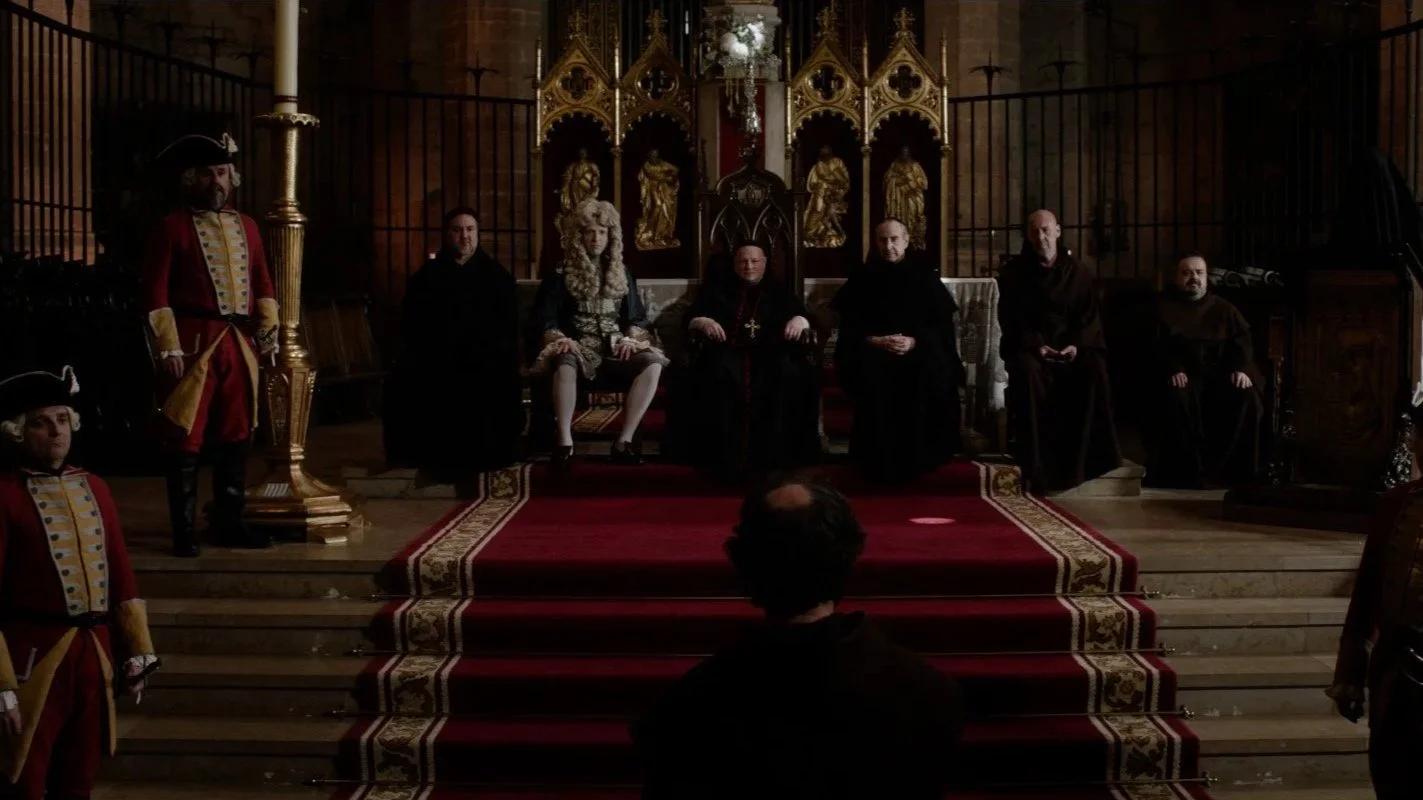
Equally compelling in terms of social commentary and its approach to the vampire myth, Upiro is a solid Spanish horror that is confident in its vision. The horrors women face by real-life institutions of harm are far scarier than any vampire could be, but Upiro blends them together nicely. Some problematic story decisions and muddied lighting aside, Upiro is a thoroughly capable religious horror that does more right than wrong in its attempts to critique religious power. Those who enjoy grounded vampiric films, thoughtful religious horror, and a little bit of queerness will find Upiro endlessly intriguing and engaging.
Overall Score? 6/10