Title: Play House
First Non-Festival Release: TBD
Director: Nicolas Curcio
Writer: Nicolas Curcio, Kirby Gladstein
Runtime: 85 Minutes
Starring: Will Harrison, Jessica Sula
Where to Watch: Check out where to find it here
This film’s review was written after its screening at the Fantastic Film Festival in 2026.
VHS tapes have long eclipsed their prime to the point where they are now sought-after collector’s items. In the digital age where immediacy and perfection are prioritized above all else, there is something heartening about the imperfect nature of video tapes that elevates the cinematic experience, particularly for horror. What happens when someone stumbles upon a time capsule of video tapes that tell a story far darker than they could reasonably imagine? Play House happens.
Trying his luck in the housing market, Elliot (Will Harrison) purchases a fixer upper in hopes of making the neighborhood his new home. He is met with some skepticism from his friend Alden (Jordan Gonzalez) and even more so from his ex-girlfriend Cath (Jessica Sula). When making his way through the various issues with the property, Elliot stumbles upon a cache of mysterious video tapes underneath the water heater. Curious, he plays one only to find they show recordings of an old children’s television show he cannot place. When Alden scours the internet for more information on Mr. Morton (James Urbaniak), the host, he discovers that the show never got released. As the trio makes their way through both the home improvement projects and the tapes, they learn the horrific truth behind the production.
Play House is a capable, creepy psychological indie horror that shows glimpses of a superior movie.
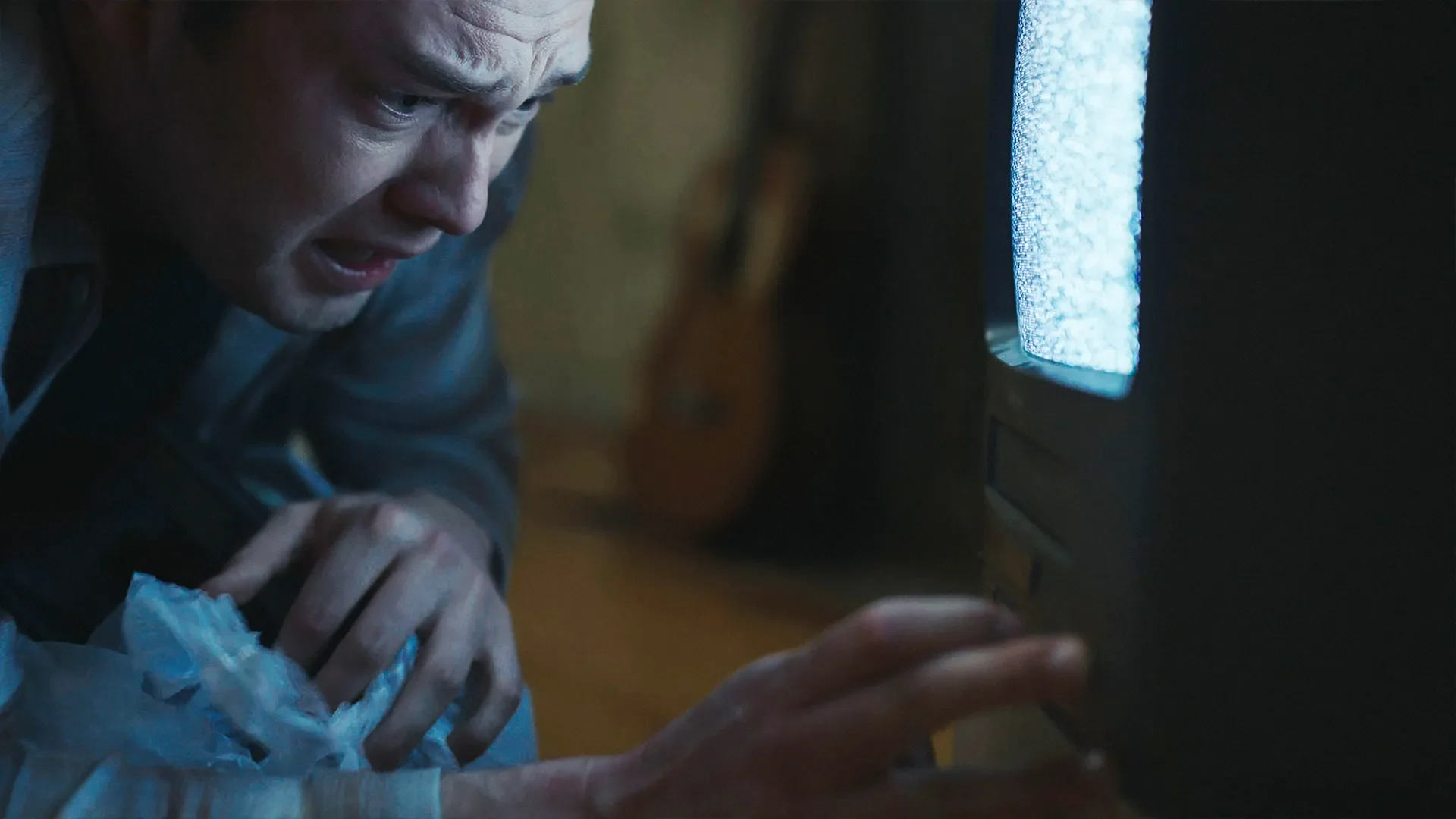
With young people enduring the harsh realities of the housing market, the horrors behind housing are becoming impossible to ignore. Play House wades into the social commentary with its twisted tale of rage and revenge. Elliot’s purchase of the crumbling two story didn’t happen in a vacuum. The financial pressures behind purchasing, maintaining, and preventing a loss of housing lead people to do terrible things, and Play House shows just how the past can torture the present with this fact.
Nothing haunts more than the ghosts of children, and as Play House weaves the webs of its story further, the promised safety of the suburbs turns deadly for youth past and present. Watching in horror, the tapes initially depict adorable and low-budget kid’s entertainment before slowing showing a darker side to Mr. Morton. His charm betrays the harsh words and high demands on his child puppeteers. Poor characterization and a lack of enthusiasm is met with rage before his smile and eyes sink back into the faux cheery emptiness that elicits more chills than childish delight. Only a few tapes in, the friends question if this an elaborate prank or a terrifying crime that needs reported.
From here, Play House falls into various supernatural and psychological horror tropes that vary in mileage. The understandable skepticism and fear of the protagonists feel authentic enough, even if their inability to make a decision leads to their continued danger. The horror seemingly comes from multiple directions while the melodrama of the protagonists colors most of the second act. It handles them well enough until Play House makes a disappointing but thematically sound decision to twist the story even further. It doesn’t quite work narratively but works fine enough, rushing through the final 15 minutes to tie any remaining loose ends.
Relying mostly on the dilapidated house and the creepy video tapes, the horror feels distant until the trap of Play House shuts on itself. The crumbling infrastructure of the house demonstrates just how out of depth Elliot is with his purchase. Rotting wood, damage unknown in severity, and excess dust and mold make the home feel alive, especially once the tapes reveal their origin. The tapes themselves do great work in juxtaposing the innocence of youth with the harsh realities of adulthood that prop up that existence. Uncanny in performance and content, the episodes feel real enough to evoke feelings of childhood nostalgia. The puppet designs are appropriately cute and memorable, but above all, are incredibly creepy once the context is understood.
Nothing is as effective in making the horror feel real than James Urbaniak’s performance of Mr. Morton. Injecting a fervent energy into the film, Urbaniak’s performances allows the danger to take shape organically with his bold and unnerving take on Mr. Morton. As the layers of his character are peeled back, it reveals the true fears that Play House attempts to unearth: the banal evil of the housing crisis and the refusal of generations before to allow young people to have a fair shake at life. Mr. Morton’s presence is terrifying as are his actions, but it’s hard not to have the tiniest bit of sympathy for his plight. It’s understandable that he is driven mad by his lot in life considering how forces in his life made home ownership impossible, namely banks, private equity, and shitty employers. Play House never excuses his tactics but offers his story as a cautionary glimpse into the future as the diverging generational pressures intertwined with the housing market take further shape.
While its intentions are honorable, Play House falls short of truly nailing it. Underbaked supporting characters make Elliot’s quest to renovate his home and get to the truth behind the tapes feel hollow. They act more like empty vessels that challenge him on both tasks without having much development. This lack of development is also afforded to some of the horror elements. To say more would venture into spoilers but Play House’s decision to half-heartedly remind viewers about certain tactics used in the first act leads to an uneven approach to horror. This isn’t aided by the rough, muddy lighting that obscures some of the film’s tenser moments.
A thoroughly capable debut and an entertaining watch, Play House is a solid horror film that has a lot going for it. Its interesting themes and charming design elements do the heavy lifting when the story takes underwhelming turns. Director Nicolas Curcio does an exceptional job with the tiny budget he was given. Great puppetry, a solid performance from the antagonist, and compelling social commentary make Play House a good get for Blumhouse.
Overall Score? 6/10