Ugly Cry (SXSW) is Tense Psychological Body Horror that Questions Unfair Expectations Placed on Women
Title: Ugly Cry
First Non-Festival Release: TBD
Director: Emily Robinson
Writer: Emily Robinson
Runtime: 94 Minutes
Starring: Emily Robinson, Ryan Simpkins, Aaron Dominguez
Where to Watch: Check out where to find it here
This film’s review was written after its screening at the South by Southwest Film Festival in 2026.
Hollywood is known for its vanity, which then extends to the greater cultural fabric by way of osmosis and evil corporations trying to make a quick buck off people’s insecurities. The true psychological weight of these decisions may never be known on a widespread scale, but it’s very clear when zoomed in on individuals.
Delaney (Emily Robinson) is one such individual. Dead set on breaking into the industry, aspiring actress Delaney is meticulous with her craft, attending classes, rehearsing for auditions at all hours of the day, and even performing for the kids she babysits. When an audition for a leading role requires Delaney to cry, she is given a note from a producer to tone down her “ugly cry.” The comment, along with some other concerns, causes Delaney to spiral into a whirlwind of self-hate and body modification to make herself, and her cry, prettier.
Ugly Cry is a strong psychological horror debut that is as uncomfortable, and important, as its subject matter.
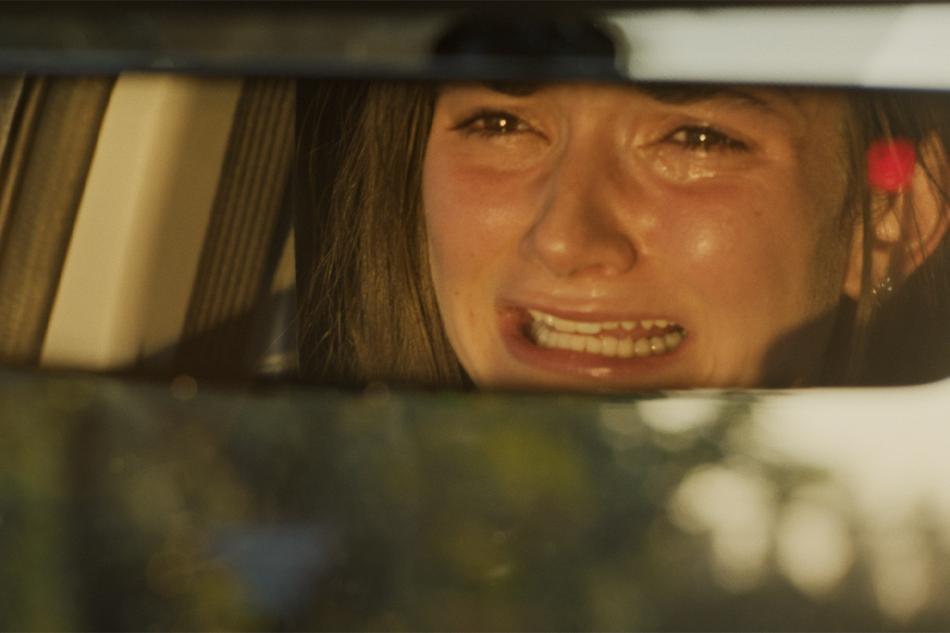
Mixing the psychological horror of the 1970s with modern problems and sensibilities, Ugly Cry deconstructs the ways in which women are lied to about not being enough. Delaney’s problem is entirely invented for the sole purpose of making her doubt herself. Amplified by predatory business practices preying on young women’s insecurities, men who prioritize youth and beauty over talent negging promising actors to the point of self-mutilation, and loved ones who sow doubt through miscommunication, deception, or ignorance, the messages are truly everywhere. It’s understandable why someone would go crazy, and unfortunately too many succumb to the weight of powerful mental health issues that are exploited or created through these systems.
With all these forces working against her, and women in general, can you blame Delaney solely for her breakdown?
Delaney’s psychological turmoil clearly takes a toll and pushes her body to the physical limit too. As she abandons reason in pursuit of perfection that doesn’t exist, the impact of her actions reverberates. Pushing away her loved ones, emptying her bank accounts, and subjecting herself to disappointment and pain, Delaney’s unraveling is unnerving. It’s easy to feel for her. As her self-harming behavior escalates, the tension of Ugly Cry sharpens.
The character of Delaney only works because of Robinson’s fearless performance. It’s hard to watch Ugly Cry and not wince in sympathy for every way Delaney stretches, cuts, injects, and spends her way into self-inflicted oblivion thanks to her distorted sense of self. Robinson approaches the horror intentionally, desperately holding together the pieces that threaten to fall apart the second she indulges in a feeling or action that disrupts her character’s beauty. She handles the Herculean task with aplomb.
While the subject matter is exciting and the performances are captivating, the story just feels too restrained to make the impact it hopes for. Glimpses of terrifying body horror and psychological horror break through the compelling drama but never land strong enough blows to be effective. The audience is reminded over and over that what Delaney is doing is wrong, but it gets caught inside the same loop she does. Ugly Cry stretches its ideas but pulls away right before it gets to something truly visceral or incisive, either in its body horror or commentary.
What separates Ugly Cry, however, is its reassurance that it remembers what matters most. The ghost of Delaney’s younger self literally haunts the narrative, evoking a sense of despair and fear in the audience and Delaney while she deteriorates. It’s hard to be pro-Botox and multiple hour skin routines when the concepts are tied to a crying eight-year-old.
Ugly Cry is a curious psychological horror film that gradually peels back the layers of its insidious premise to reveal ugly truths about our society. Our willingness to maim ourselves in the pursuit of material things will always betray what makes us human. Never judging Delaney for the way the story shapes, Ugly Cry is nevertheless a cautionary tale of placing too much importance on something as temporary as beauty.
Overall Score? 7/10